Early Childhood Education
PROGRAM OVERVIEW
EARLY CHILDHOOD EDUCATION
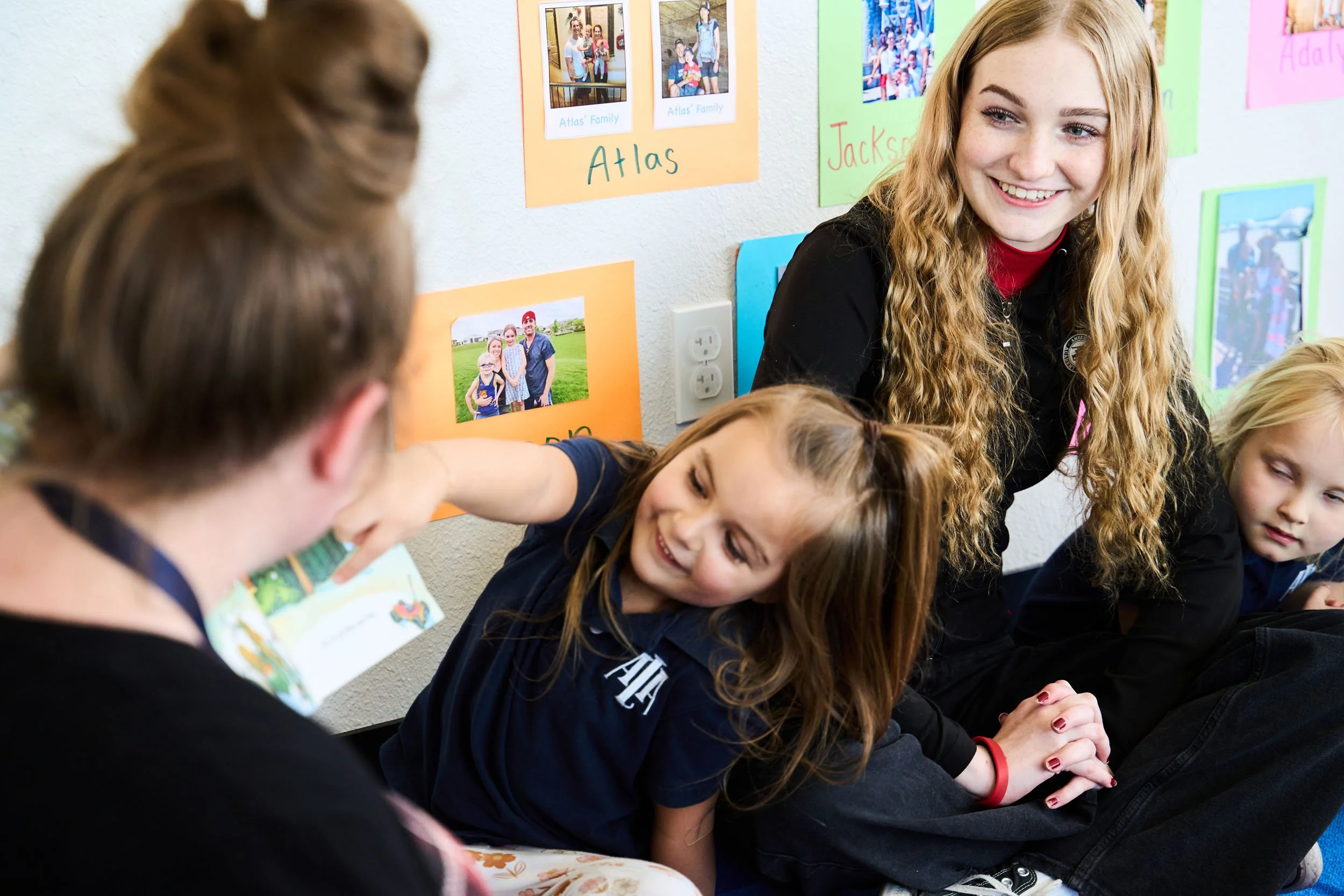
PROGRAM LENGTH: 2 years
GRADES: 10-12
Early childhood education is a critical field, shaping the growth and development of young learners and laying the foundation for lifelong learning. The Early Childhood Education pathway at ALA Applied Technologies is a three-year program where students learn core skills across child development, instructional strategies, classroom management, and professional practices for preschool-aged children.
This pathway is designed for students who want a clear next step after high school: pursue higher education in education, earn industry-recognized certifications, or begin a career supporting early learners in preschool and childcare settings.
By the end of the program, students will learn skills in:
- Professional expectations, legal responsibilities, and ethical practices in education
- Child development and age-appropriate instructional strategies from early elementary through adolescence
- Curriculum planning, assessment, and observation aligned with state standards and classroom needs
- Inclusive practices for exceptional learners, gifted students, and individualized education plans (IEPs/504s)
- Classroom management, lesson planning, and professional work portfolio development
- Internship experience in community education programs or K-12 schools, applying skills in real classroom settings

Course Pathway Map
The first year prepares students for careers in education, including teaching, coaching, counseling, and administration. Topics include professional expectations, history and structure of education, theoretical and philosophical approaches, inclusive practices, home-school partnerships, classroom management, and education technology.
Students explore careers in education, the impacts of educators, and professional, legal, and ethical practices. Practical lab practice reinforces learning. Students work toward an Instructional Paraprofessional or Child Development Associates Certification.
The second year focuses on child development, paraprofessional roles, exceptional learners, curriculum, and assessment. Students examine children’s development from early elementary through adolescence and learn legal responsibilities of teachers and paraprofessionals.
The course covers instruction and practices based on 504 plans, gifted education, and individualized education plans (IEPs). Students develop assessments aligned with classroom instruction, state standards, and curriculum. Hands-on lab practice continues. Students work toward an Instructional Paraprofessional or Child Development Associates Certification.
This course focuses on the application of skills attained in Education Professions I & II and participation in structured work experience through an internship with community education programs and district schools. Students may need a fingerprint clearance card.
Students specialize in one age group to develop lesson plans, classroom management techniques, and a professional work portfolio. Internship placement is provided by the Education Program Coordinator, and students must comply with all industry and placement-specific regulations.
Students are required to meet a minimum of 10 hours per week, aligned with the Child Development Associate certification requirements. Transportation to and from the internship site is the responsibility of the student. Seniors (12th grade) at least 16 years of age are eligible. Students work toward a Child Development Associates Certification and receive 2.0 CTE or Elective credits upon completion (1 credit each semester).
For the most accurate and up-to-date information regarding course offerings, requirements, and descriptions, please refer to the official course catalog.
Certificates & Licenses
Throughout the Education Academy, students work toward industry-recognized certifications that prepare them for roles supporting K–12 classrooms. The Instructional Paraprofessional certification demonstrates students’ ability to assist teachers, support learning, and help create effective and engaging classroom environments.
This credential provides a strong foundation for students interested in teaching, educational support, or further study in education-related careers.
| Certificate Name | Class / Year Obtained | Type | Purpose / Eligibility | Information Covered |
|---|---|---|---|---|
| Instructional Paraprofessional Certification | Education Professions III: Paraprofessional Capstone | Certification | Qualifies students to assist teachers and support classroom instruction in K–12 settings | Classroom management, instructional support, student engagement, learning strategies, and professional responsibilities |
Career, Salary, and Growth Opportunities
Entry
Median
Experienced
NATIONAL ANNUAL SALARY
2020
2022
2024
AZ MEDIAN SALARY GROWTH
2024
2034
PROJECTED JOB OUTLOOK
The Education Academy gives students a head start in teaching and early childhood careers while building real-world skills. Students learn how young children develop, how to support early learning, and how to use educational tools, while gaining practical experience through lab components that mirror real classrooms and childcare settings.
This pathway prepares students for roles such as preschool teacher, childcare center director, and child development specialist, with salaries ranging from $30,000 to $75,000 and projected job growth of 6-8% over the next decade. In Arizona, median wages across early childhood education careers have increased from about $35,000 in 2019 to roughly $41,000 in 2024, reflecting steady demand for qualified educators and childcare professionals. Overall employment in educational instruction and library occupations is projected to grow slower than the average for all occupations from 2024 to 2034. Despite limited employment growth, about 890,300 openings are projected each year, on average, in these occupations largely due to the need to replace workers who leave the occupations permanently.
The field has strong demand, and students gain both practical skills and career-ready credentials that set them apart when entering the workforce or continuing their education.For students who enjoy guiding young learners and supporting families, the Education Academy provides a dependable pathway to meaningful, in-demand careers.
*Statistics sourced from U.S. Bureau of Labor Statistics (BLS) and Arizona workforce projections.
Our Facilities
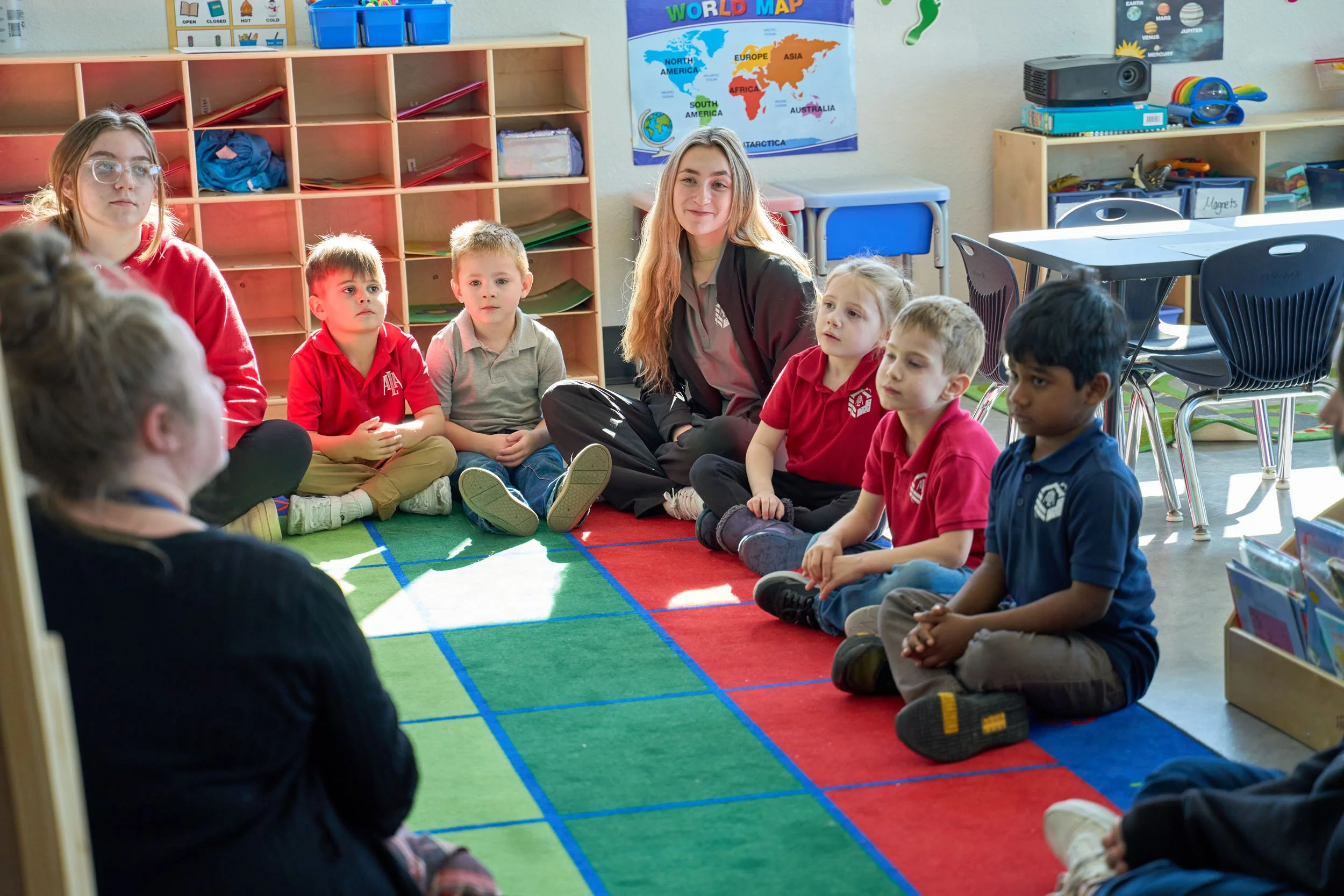
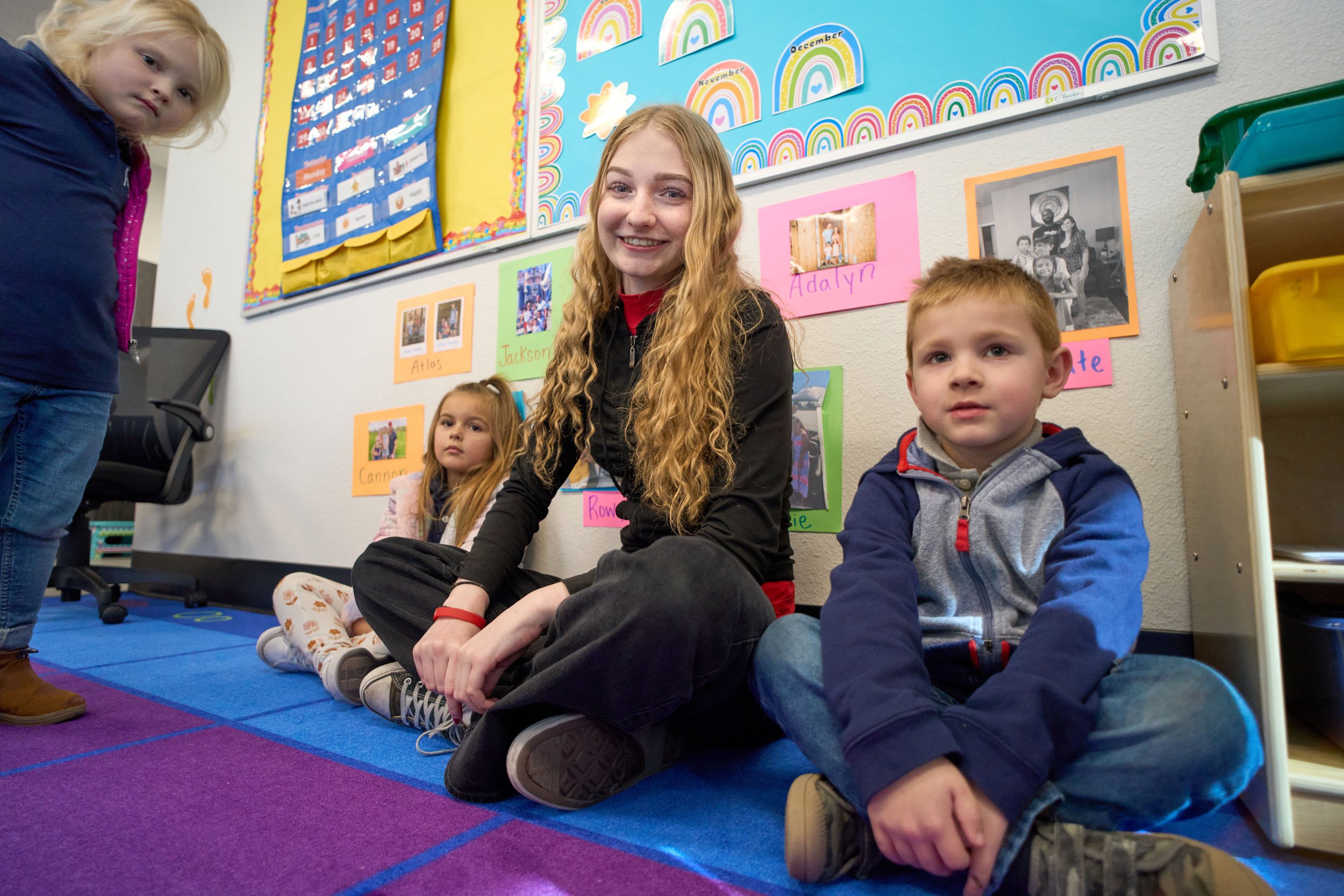
Students in the Education Academy gain hands-on experience in a real early childhood learning environment designed to support observation, instruction, and classroom management skills.
Our facilities feature:
Multiple preschool classrooms for hands-on teaching experience
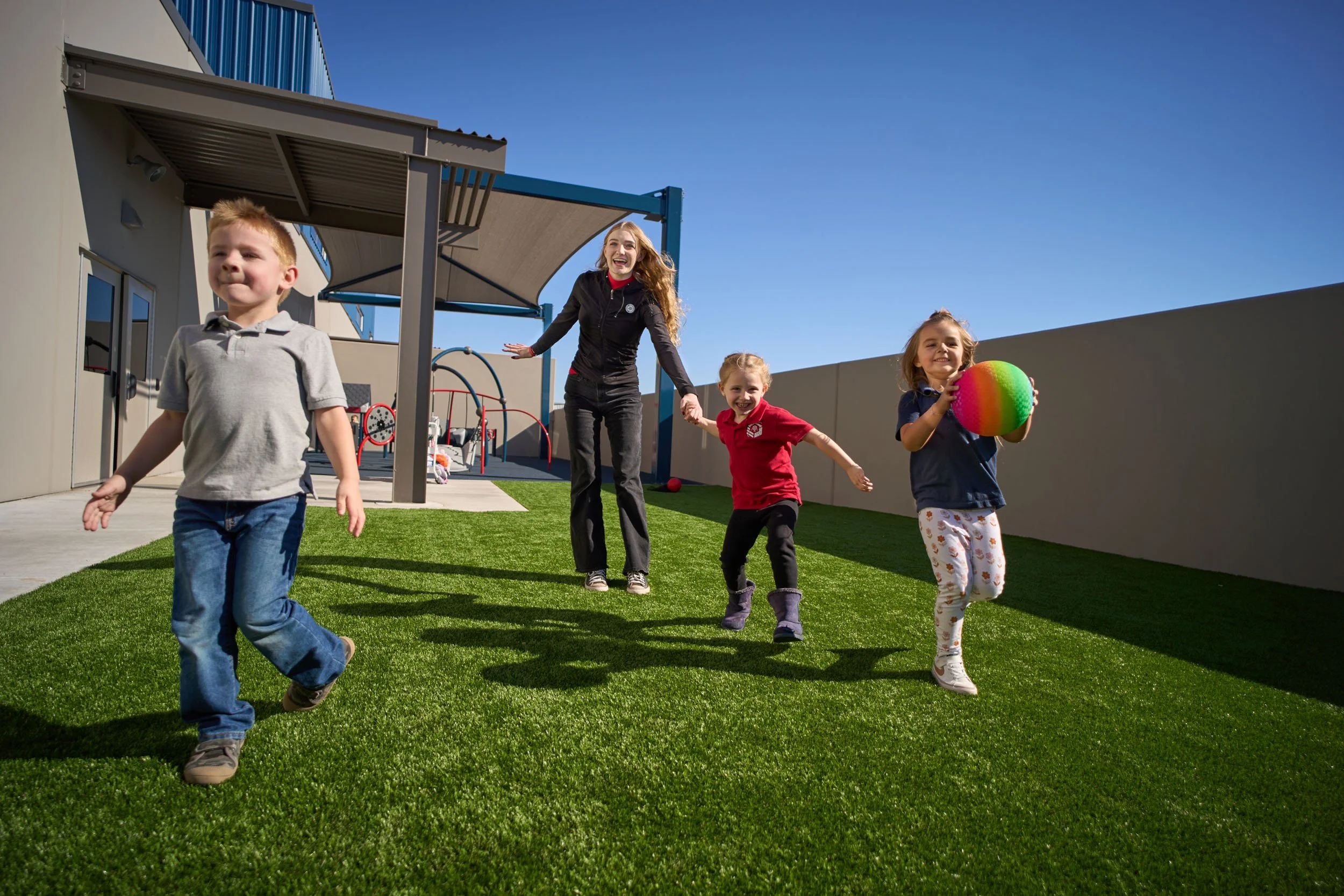
Dedicated playground for outdoor learning and child development activities
Indoor movement room supporting physical development and interactive learning
High school classroom for instruction, planning, and reflection
Lobby and office space supporting program operations
Classrooms equipped with projectors and cameras for observation and instruction
Little Leaders
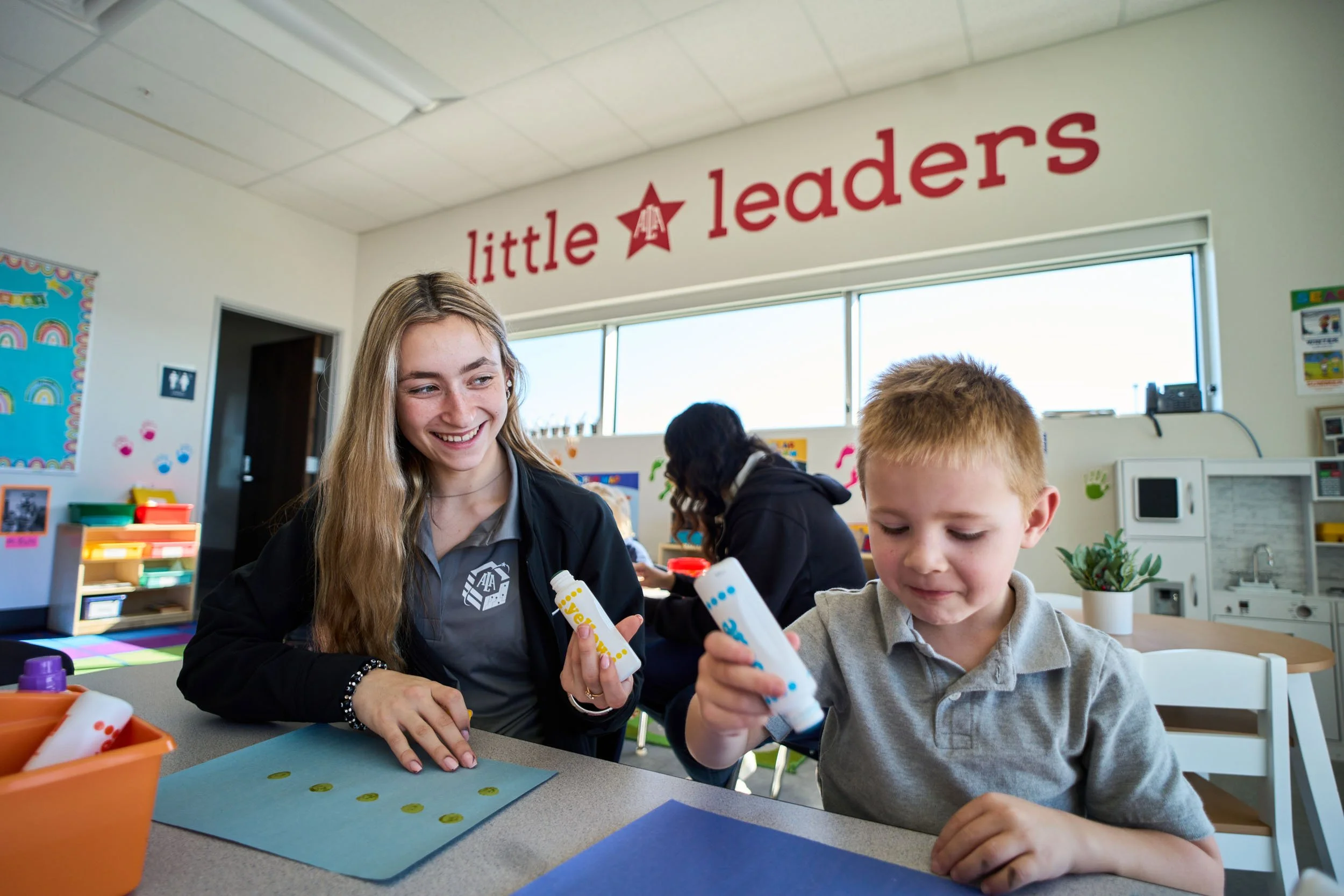
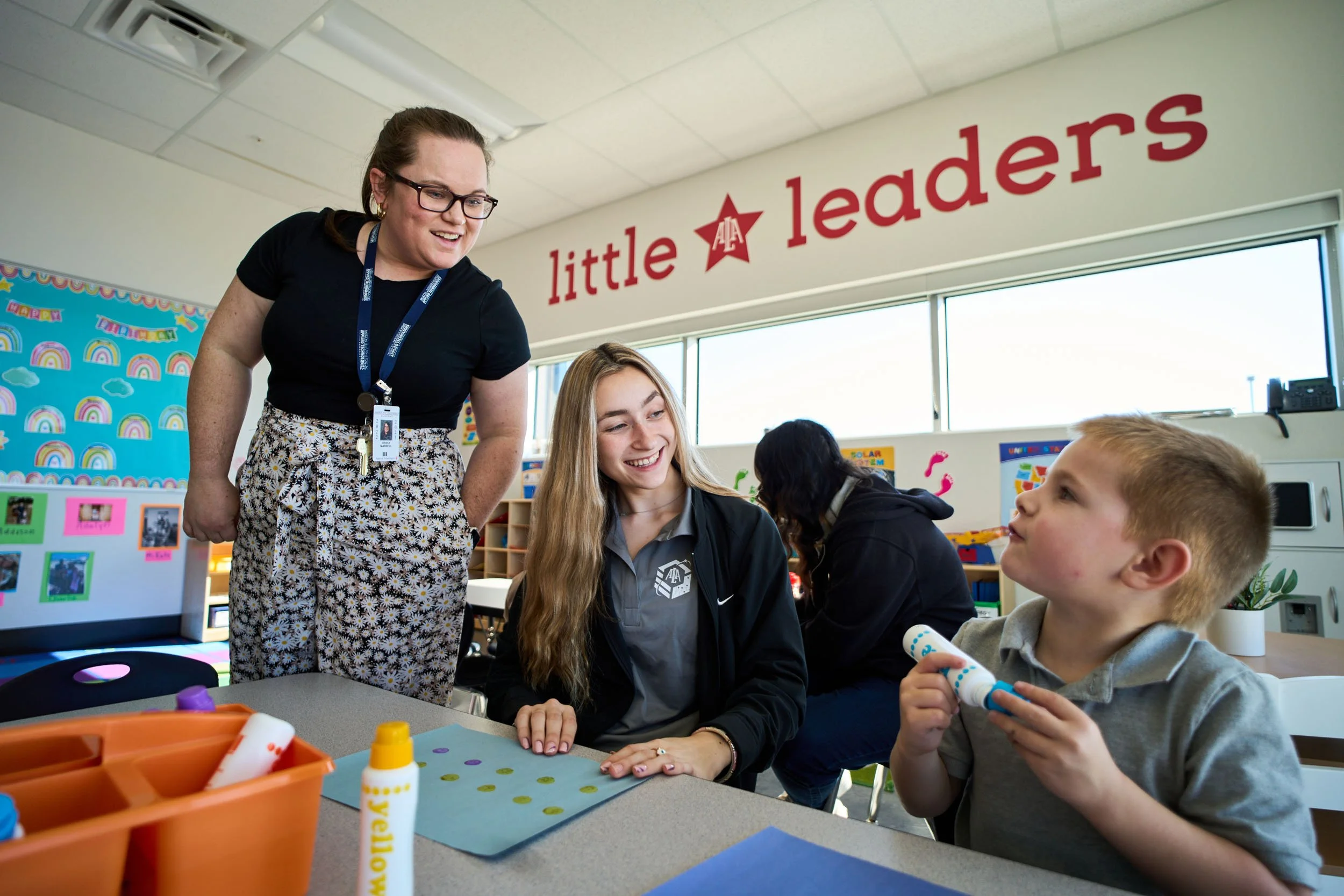
The Education Academy at Applied Tech partners with ALA’s Little Leaders program to provide a real-world learning experience. Through this collaboration, students gain valuable insight into lesson planning, working with young learners, and managing a classroom, making their experience even more hands-on and fulfilling.
Frequently Asked Questions (FAQ)
-
Students typically work with early learners, including preschool and early elementary age groups.
-
No. The program starts at the foundation level and builds skills step by step.
-
Yes. Students practice creating age-appropriate activities and learning experiences.
-
Yes. Classroom management and behavior support strategies are part of the training.
-
Yes. It builds foundational skills used in childcare, preschool, and early learning environments.
-
That’s normal. The first two years build broad skills and exposure so students can make a more informed choice before the internship year.
-
Strong communication, reliability, patience, professionalism, and the willingness to learn and follow classroom procedures.
Our Industry Partners
We collaborate with leading industry professionals to ensure our students gain real-world experience, leading to direct pathways into high-demand careers. We are proud to work alongside organizations that invest in the future of our students.