Medical Assisting
PROGRAM OVERVIEW
MEDICAL ASSISTING
PROGRAM LENGTH: 2-3 years
GRADES: 9-12
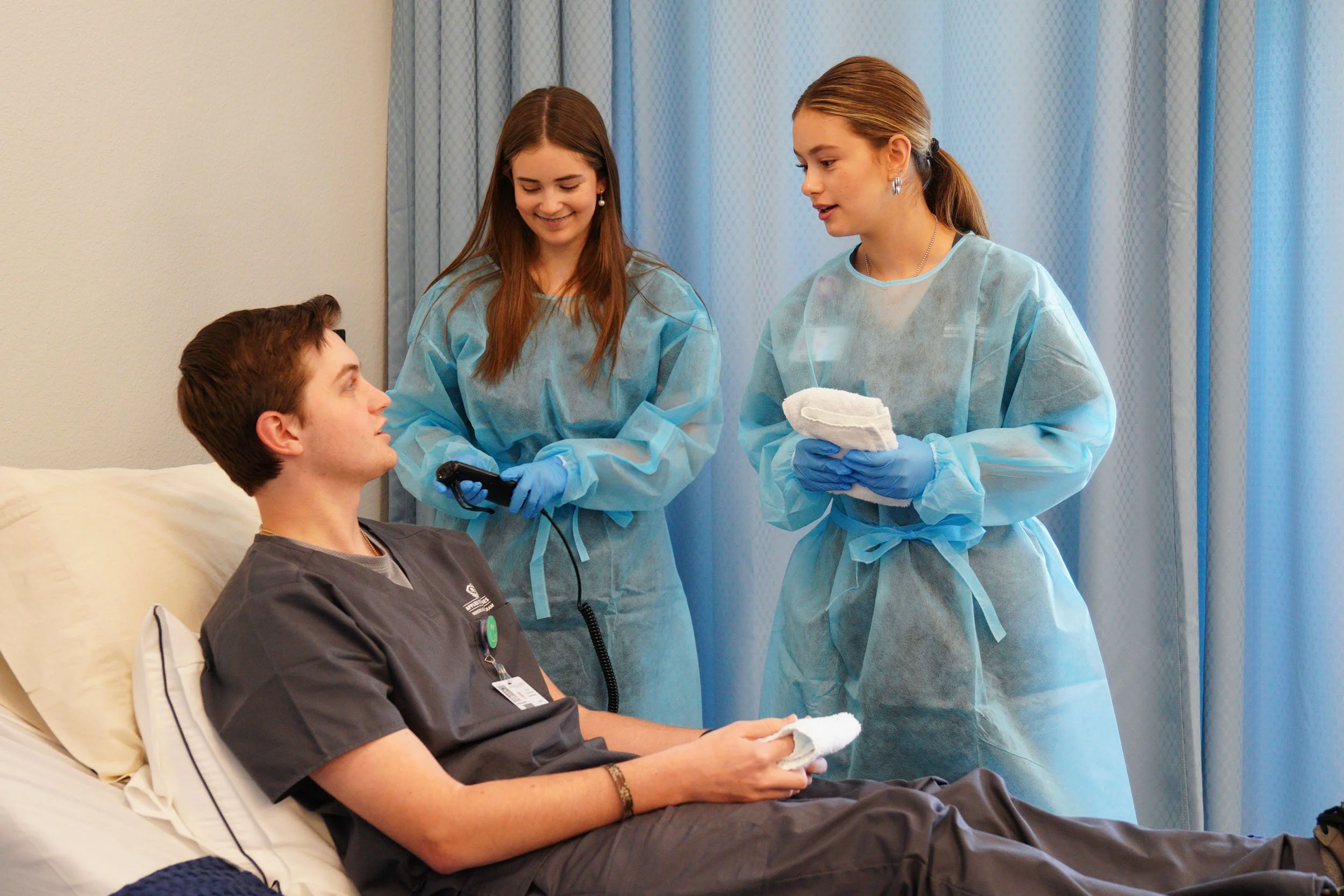
The Medical Assisting pathway prepares students for a versatile role that combines clinical and administrative responsibilities in healthcare settings such as physician offices, outpatient clinics, and hospitals. Students learn patient-facing procedures along with the front-office systems that keep clinics running.
By the end of the program, students will learn skills in:
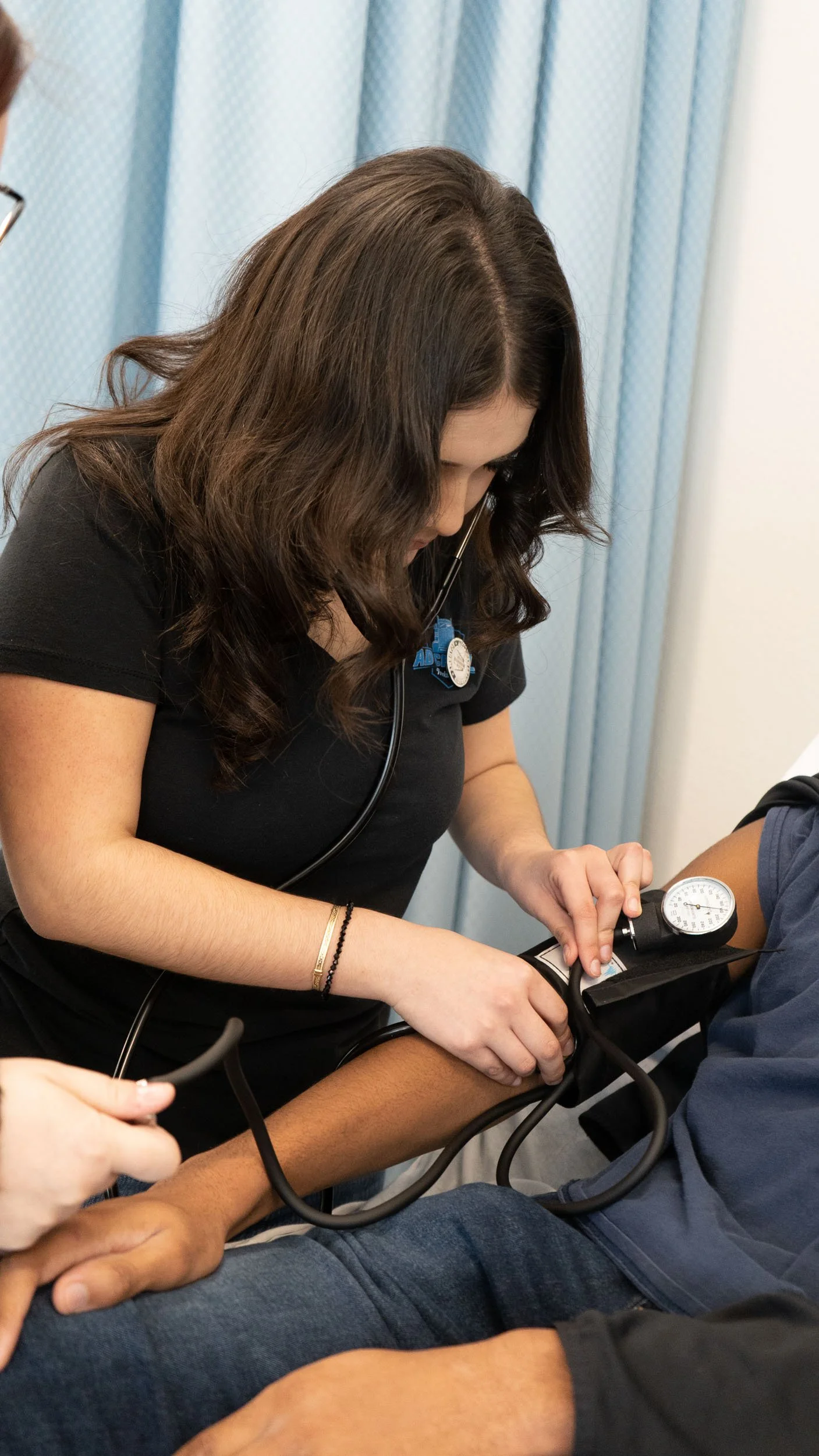
- Taking vital signs and assisting with medical examinations
- Administering injections (training-based) and assisting with minor procedures
- Performing basic laboratory tests and preparing patients for diagnostics
- Medical billing, coding basics, and administrative skills
- Scheduling appointments, managing patient records, and using EHR systems
Course Pathway Map
This one semester introductory course is designed for 9th and 10th grade students who are interested in exploring careers in healthcare, with a focus on pathways such as Nursing Assisting, Emergency Medical Technician (EMT), Medical Assisting, and Veterinary Assisting. The course provides an overview of the diverse opportunities available in the healthcare and veterinary fields, helping students make informed decisions about their future career pathways. Throughout the course, students will explore the roles and responsibilities of various healthcare professionals, learn basic medical terminology, and gain an understanding of human and animal anatomy and physiology. Topics such as infection control, patient safety, ethical behavior in healthcare, and the importance of teamwork will be introduced. Hands-on activities, guest speakers, and field trips will provide students with practical insights into real-world healthcare environments. By the end of the course, students will have a strong foundation in the essential skills and knowledge required to pursue specialized training in one of the health career pathways offered in the Health Services and First Responder Academies. This class is ideal for students who are curious about healthcare professions and eager to begin planning for their future in the medical field. Students will receive 0.5 Elective credit upon completion of this single-semester course (0.5 credit each semester).
Recommended course- Health Career Exploration
This year-long course serves as the first part of a comprehensive two-year program designed to introduce high school students to foundational knowledge in the healthcare field of Medical Assisting. Throughout the course, students will explore the roles and responsibilities of various health professionals, learn foundational skills in their field, and gain valuable experience toward the second year of their program. Students will gain an understanding of the healthcare system, medical terminology, basic anatomy and physiology, patient care principles, infection control, and safety protocols. The curriculum emphasizes essential skills such as communication, teamwork, problem-solving, and ethical behavior in healthcare settings. Hands-on activities, case studies, and guest speakers from different health professions will enhance students' learning experience and prepare them for more specialized training in the second year of the Medical Assisting program. By the end of the course, students will have accumulated the basic knowledge and skills necessary to be successful in their certification course the following year. Students will receive 1.0 CTE or Elective credit upon completion of this two-semester course (0.5 credit each semester).
In the second year of the Health Services Academy, students specializing in Medical Assisting will be prepared for a versatile career in both clinical and administrative roles within healthcare settings such as physician offices, outpatient clinics, and hospitals. This course focuses on developing the skills necessary to become a Certified Clinical Medical Assistant (CCMA) and to provide support in medical practices. Students will learn essential clinical procedures, including taking vital signs, assisting with medical examinations, administering injections, performing basic laboratory tests, assisting with minor surgical procedures, and preparing patients for diagnostic procedures. In addition to clinical skills, the course covers key administrative tasks such as medical billing and coding, scheduling appointments, handling patient records, and using electronic health record (EHR) systems.
In this course, students will design a project using the fundamentals of project management, conduct research on their topic of interest, then produce a final written report, portfolio, or a presentation that summarizes and demonstrates student learning. The capstone project will relate to academic accomplishments and demonstrate mastery of the subject. Students will receive 1.0 CTE or Elective credit upon completion of this two-semester course (0.5 credit each semester).2026-2027 Applied Tech Course Catalog
For the most accurate and up-to-date information regarding course offerings, requirements, and descriptions, please refer to the official course catalog.
Certificates & Licenses
Throughout the program, students work toward industry-recognized certifications that prepare them for entry-level medical assistant roles. These credentials demonstrate the skills needed for both clinical and administrative tasks in healthcare settings. Throughout this pathway, students earn CCMA, BLS, and Stop the Bleed certifications, providing a strong foundation for careers in clinics, offices, and hospitals.
| Certificate Name | Class / Year Obtained | Type | Purpose / Eligibility | Information Covered |
|---|---|---|---|---|
| Medical Assistant Certification (CCMA) | Medical Assisting II | Certification | Qualifies students for entry-level medical assistant roles in clinics, offices, and hospitals | Administrative and clinical skills, patient care, vital signs, medical office procedures, HIPAA compliance, and infection control |
| BLS Certification (Basic Life Support) | Emergency Medical Technician II | Certification | Required for many healthcare positions and clinical placements | CPR, AED use, choking response, and emergency life-saving techniques |
| Stop the Bleed Certification | Emergency Medical Technician II | Certification | Trains individuals to recognize and treat life-threatening bleeding using pressure, packing, and tourniquets. | Bleeding control, tourniquet use, wound packing, and emergency response actions |
Career, Salary, and Growth Opportunities
Entry
Median
Experienced
ANNUAL SALARY
2020
2022
2024
AZ MEDIAN SALARY GROWTH
2024
2034
PROJECTED JOB OUTLOOK
Medical assisting careers combine clinical skills, patient interaction, and office management to keep healthcare facilities running smoothly. Students who build skills in patient preparation, lab support, electronic records, and front-office tasks, along with certifications like CCMA, CMA, CMAA, and CPR/BLS, can qualify for entry-level roles and continue advancing through experience and specialized training.
Roles such as medical assistant, phlebotomist, and medical office specialist offer solid earning potential, with salaries ranging from $35,000 to $55,000 and opportunities for growth with experience and additional certifications. In Arizona, medical assisting careers such as medical assistant, phlebotomist, and medical office specialist earn median salaries around $40,000 to $42,000 per year, with top earners approaching $60,000. The field is growing quickly, with about 112,300 openings projected nationally each year through 2034 and overall job growth expected at 12 percent.
For students who enjoy helping patients, supporting healthcare teams, and combining clinical and administrative skills, medical assisting provides a dependable pathway to meaningful, in-demand careers.
*Statistics sourced from U.S. Bureau of Labor Statistics (BLS) and Arizona workforce projections.
Frequently Asked Questions (FAQ)
-
No. Nursing Assisting focuses heavily on direct bedside care and ADLs. Medical Assisting blends clinic-based clinical tasks with administrative duties like scheduling and records.
-
Yes—students learn hands-on procedures plus billing/coding basics, scheduling, records, and EHR systems.
-
Medical Assisting II includes real-world externships along with in-class simulations.
-
Possibly. Depending on placement, students may need items like a background check, fingerprint clearance, immunizations, TB testing, or other partner requirements. Students are responsible for any associated costs.
Our Facilities
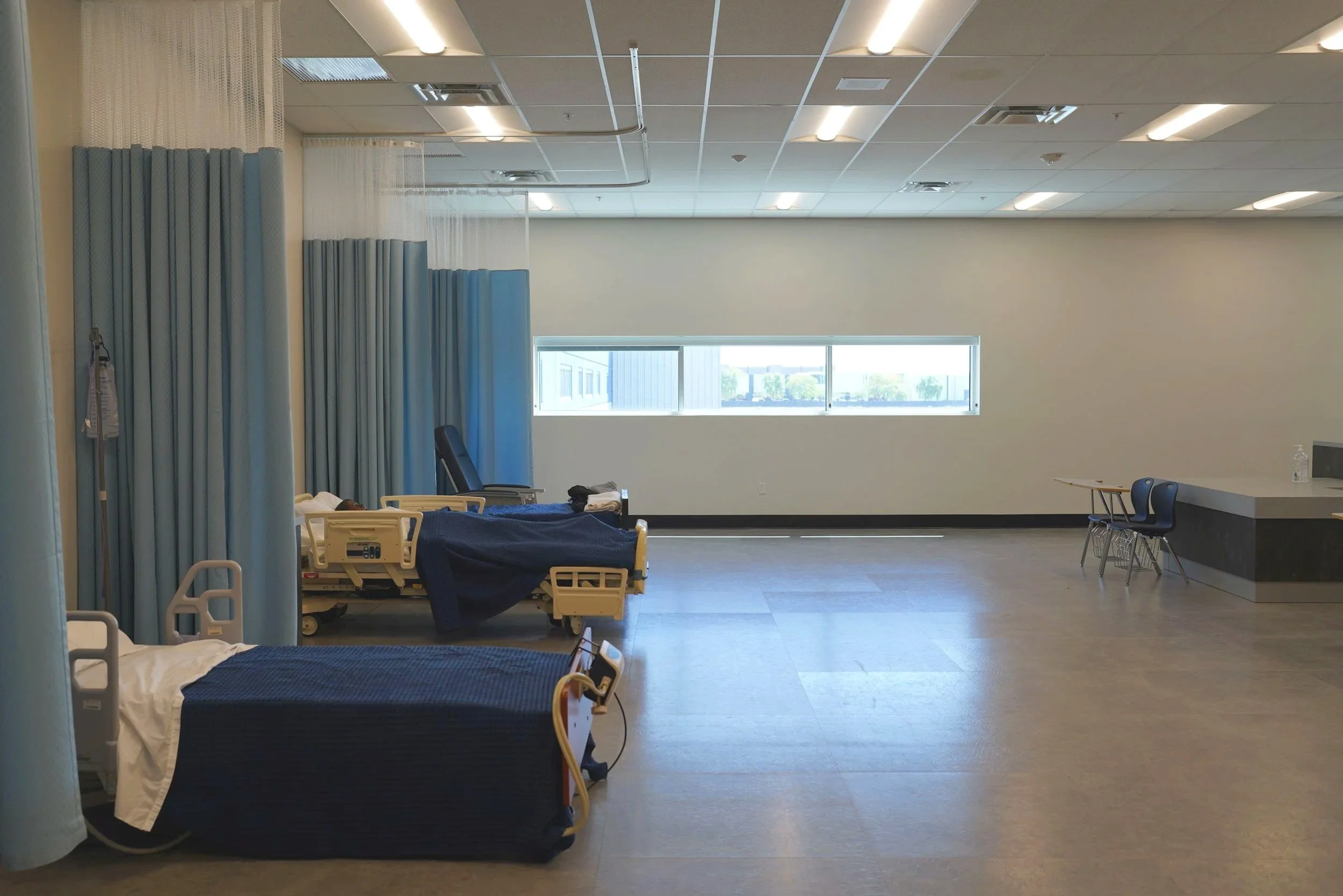
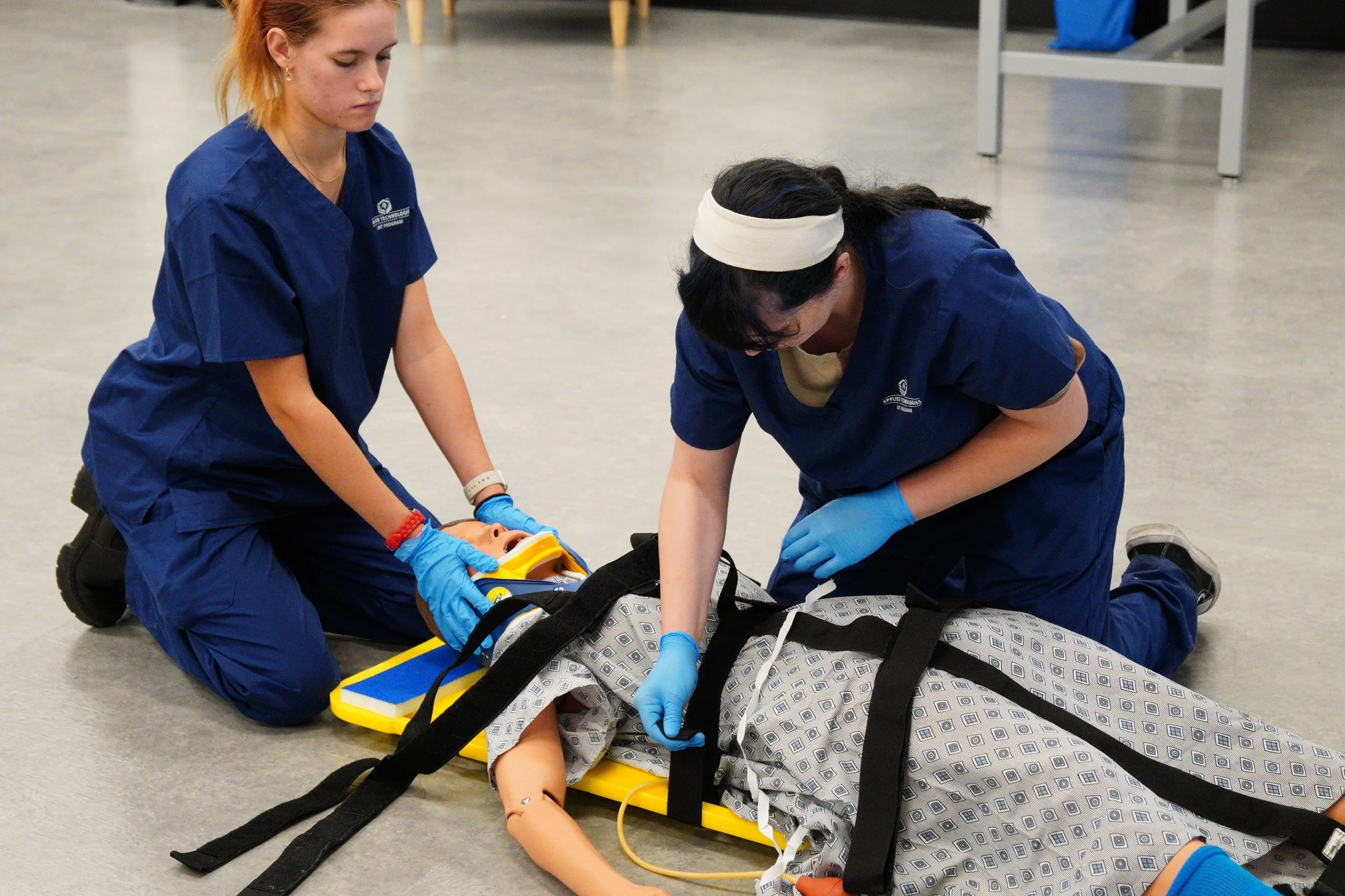
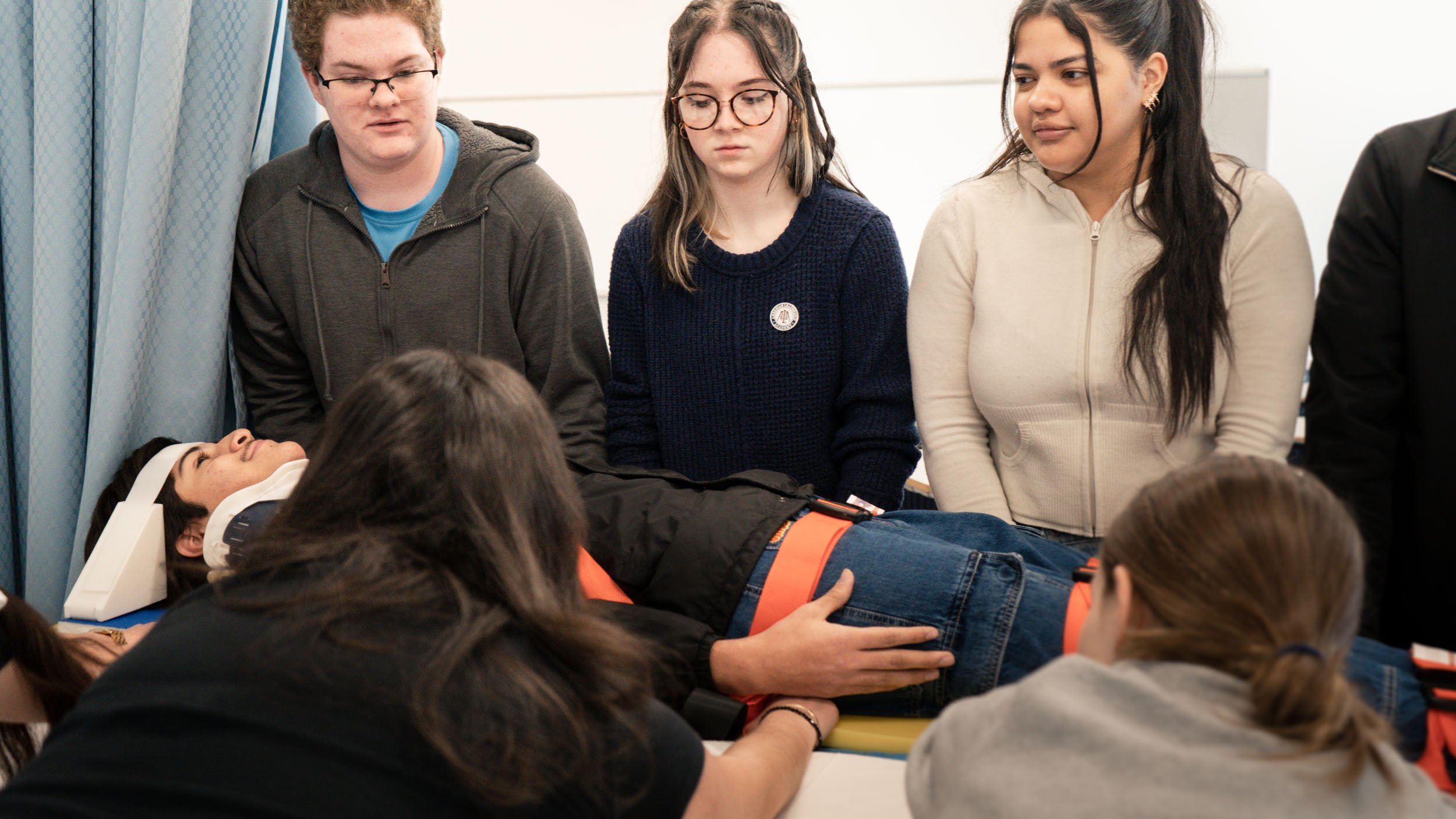
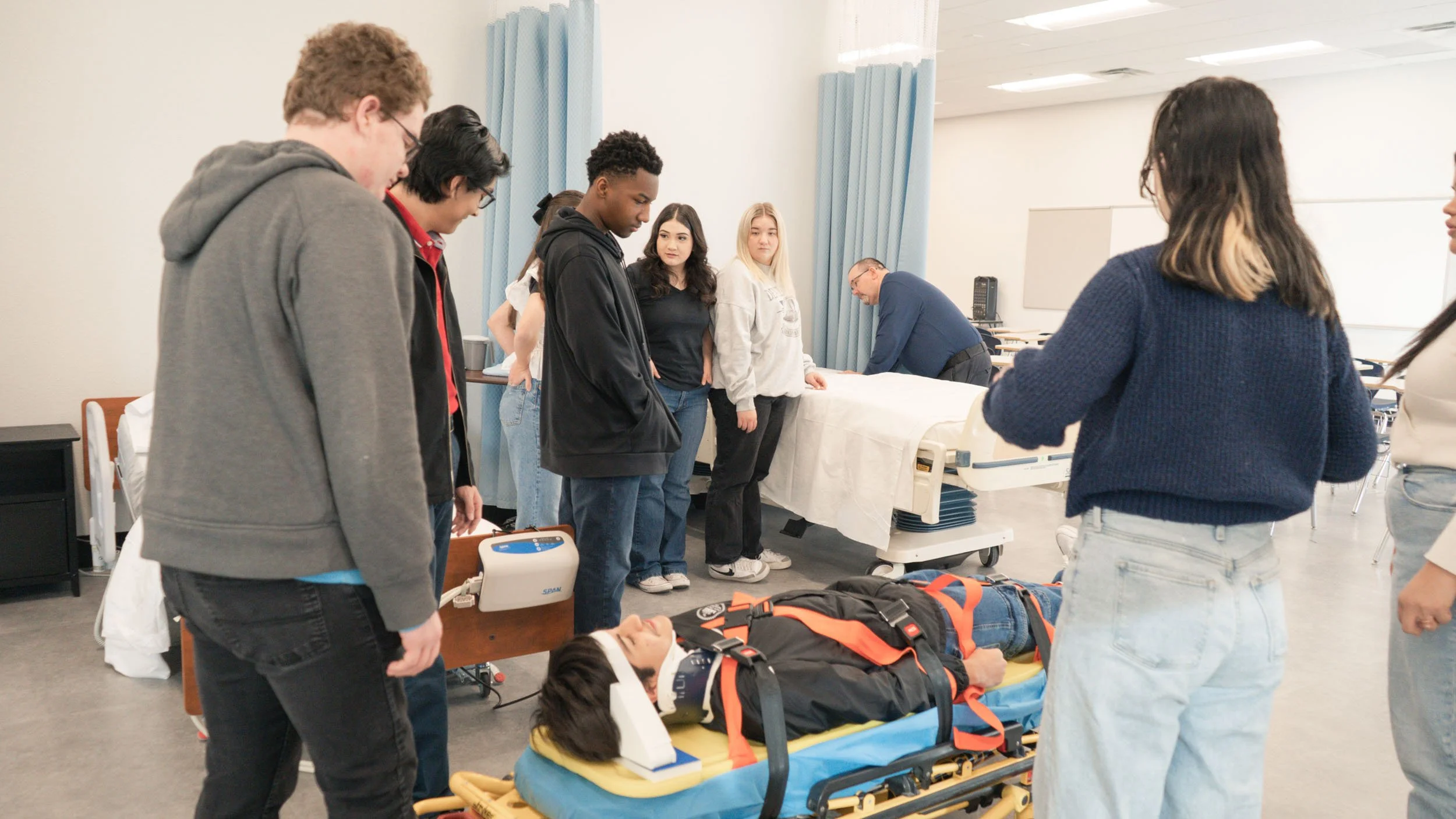
Students train in a simulated healthcare lab designed to mirror real clinical environments. The open-concept space includes multiple patient care areas and nurse stations, allowing students to practice real-world skills using industry-standard medical equipment.
Our facilities feature:
Simulated hospital room for patient care training
Four-bed hospital ward with privacy curtains
Nurse stations for workflow and charting practice
Dedicated classroom instruction area within the lab
Exam tables for clinical skills practice
Patient care manikins for practical training
Hospital beds, overbed tables, linens, and hampers
Blood pressure cuffs, stethoscopes, and clinical supplies
Computers for electronic patient charting practice
This setup allows students to develop real-world patient care skills in an environment that closely reflects healthcare settings.
Our Industry Partners
We collaborate with leading industry professionals to ensure our students gain real-world experience, leading to direct pathways into high-demand careers. We are proud to work alongside organizations that invest in the future of our students.