Gaming Technologies
PROGRAM OVERVIEW
GAMING TECHNOLOGIES
PROGRAM LENGTH: 2-3 Years
GRADES: 10-12
Gaming Technologies combines game design and programming with creative production skills. Students learn how interactive projects are planned, built, tested, and presented, often in team settings, so they graduate with projects and production-ready habits.
By the end of the program, students will learn skills in:
- Game development fundamentals and interactive design thinking
- C# programming and object-oriented fundamentals
- Unity-based development (2D and 3D foundations)
- Game physics basics, level design concepts, and iteration/testing
- Visual design skills that support games and digital media (graphics, layouts, assets)
- Portfolio building through projects and creative work
Course Pathway Map
Builds foundation in programming through 2D and 3D game development using C# and Unity 3D. Emphasizes object-oriented programming, problem-solving, and algorithm development. Students explore video game industry, game theory, storyboarding, sprite animation, game physics, and mobile game design. Practical labs included.
Introduction to technical skills in Graphic Design. Students learn to create digital 2D and 3D publications using Adobe Photoshop, Illustrator, and InDesign. Projects include logos, icons, flyers, posters, t-shirts, and other creative works. Emphasis on independent work and collaboration.
Advanced course building on Graphic Design I. Students develop school projects and personal portfolios. Leadership development and work-based learning emphasized. Prepares students for Adobe Certified Associate (ACA) certification. Hands-on lab projects included.
Students design a project applying project management fundamentals. Conduct research, develop a portfolio, and present a final report or presentation that demonstrates mastery of Game or Graphic Design. Capstone project aligns with academic accomplishments and prepares students for industry readiness.
For the most accurate and up-to-date information regarding course offerings, requirements, and descriptions, please refer to the official course catalog.
Certificates & Licenses
Throughout the program, students develop technical skills in graphic design and digital media while building a professional portfolio. Coursework emphasizes real-world design projects, creative problem-solving, and industry-standard software.
Students have the opportunity to earn the Adobe Certified Associate (ACA) certification, demonstrating proficiency in professional design tools and preparing them for entry-level roles in graphic design, digital media, and game-related content creation.
| Certificate Name | Class / Year Obtained | Type | Purpose / Eligibility | Information Covered |
|---|---|---|---|---|
| Adobe Certified Associate (ACA) | CTE Graphic Design II | Certification Eligibility | Demonstrates proficiency in industry-standard Adobe design software for entry-level graphic design and digital media roles | Design principles, digital graphics, layout and typography, image editing, and creation of advertising and publication materials |
Career, Salary, and Growth Opportunities
Entry
Median
Experienced
NATIONAL ANNUAL SALARY
2020
2022
2024
AZ MEDIAN SALARY GROWTH
2024
2034
PROJECTED JOB OUTLOOK
Game design and development combines creativity, technology, and problem-solving to create immersive player experiences. Students who build skills in game programming, 3D art, animation, and storytelling, along with certifications in Unity, Unreal, or industry-standard design software, can qualify for entry-level roles and continue advancing through experience and specialized training. Core roles such as game designer, game programmer, and 3D artist/animator have strong earning potential, with median salaries ranging from $55,000 to $130,000 and experienced professionals often earning well above these averages.
The broader software and game development industry offers robust demand, with software developers and QA analysts earning median salaries of $133,000 and $102,000 respectively, and about 129,200 openings projected nationally each year through 2034. In Arizona, game design and development careers such as game programmer, 3D artist, and game designer earn median salaries ranging from about $79,000 to $118,000 per year.
For students who enjoy combining creativity with technical skills, careers in game design and development offer a dependable pathway to exciting, high-paying, and growing opportunities.
*Statistics sourced from U.S. Bureau of Labor Statistics (BLS) and Arizona workforce projections.
Our Facilities
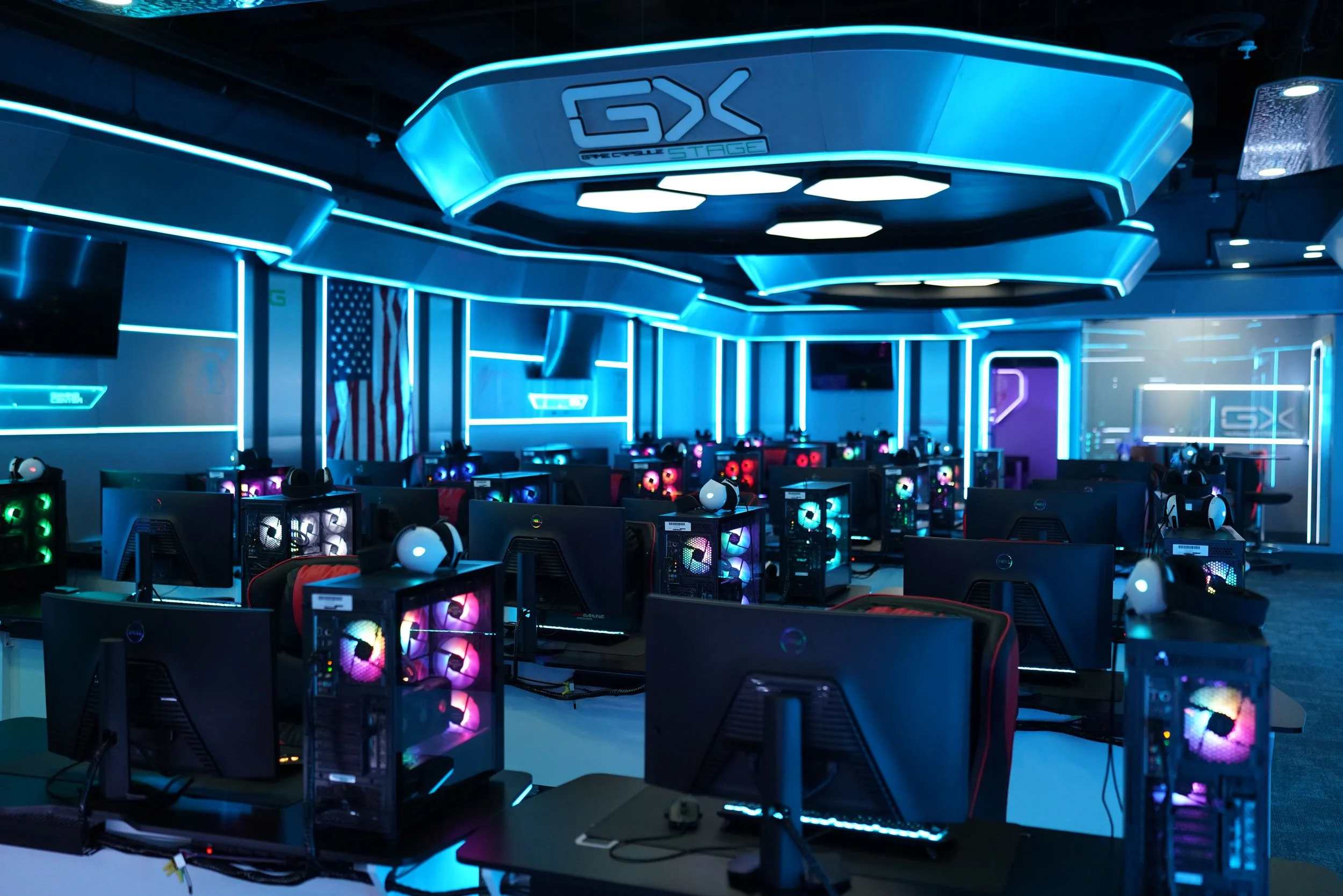
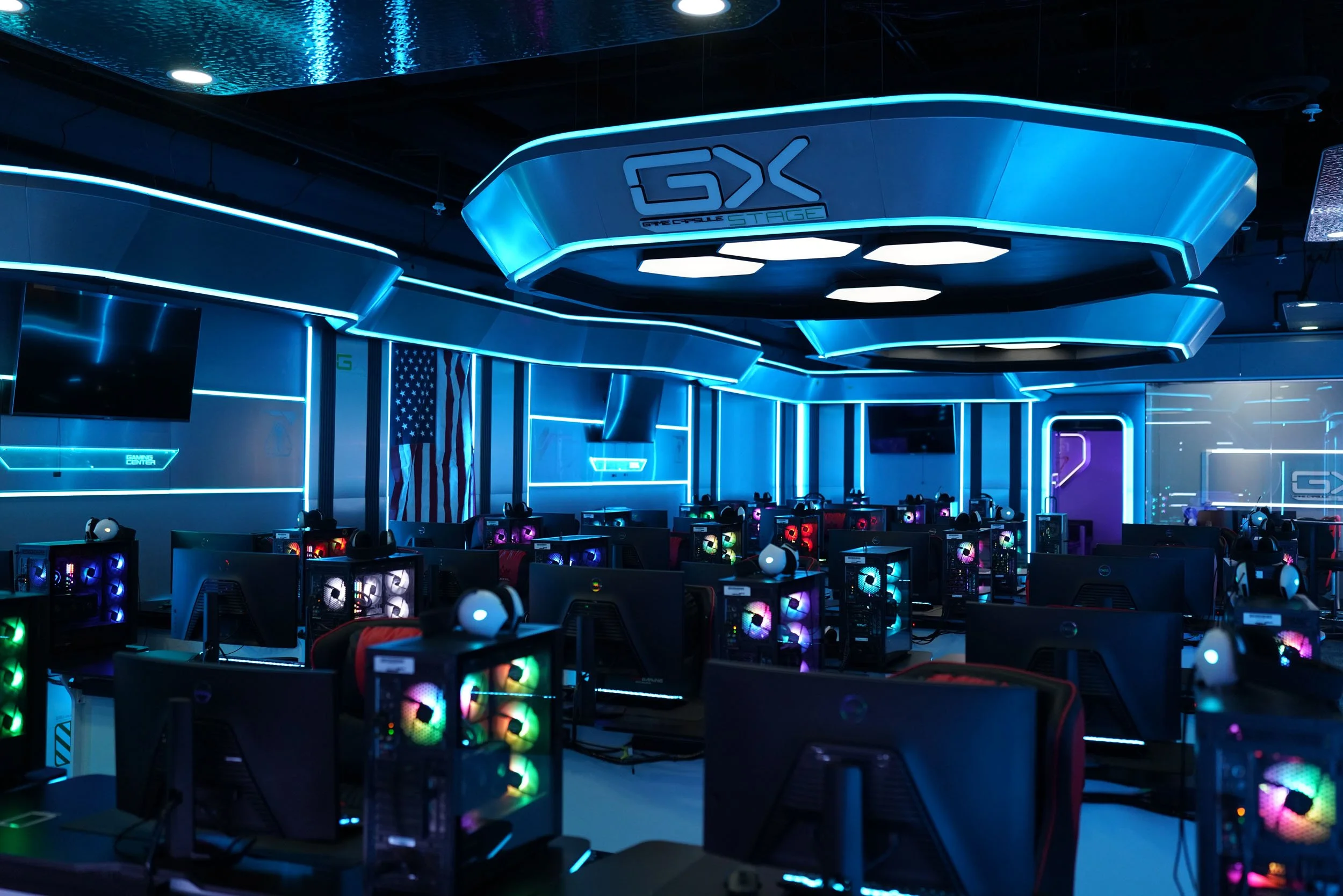
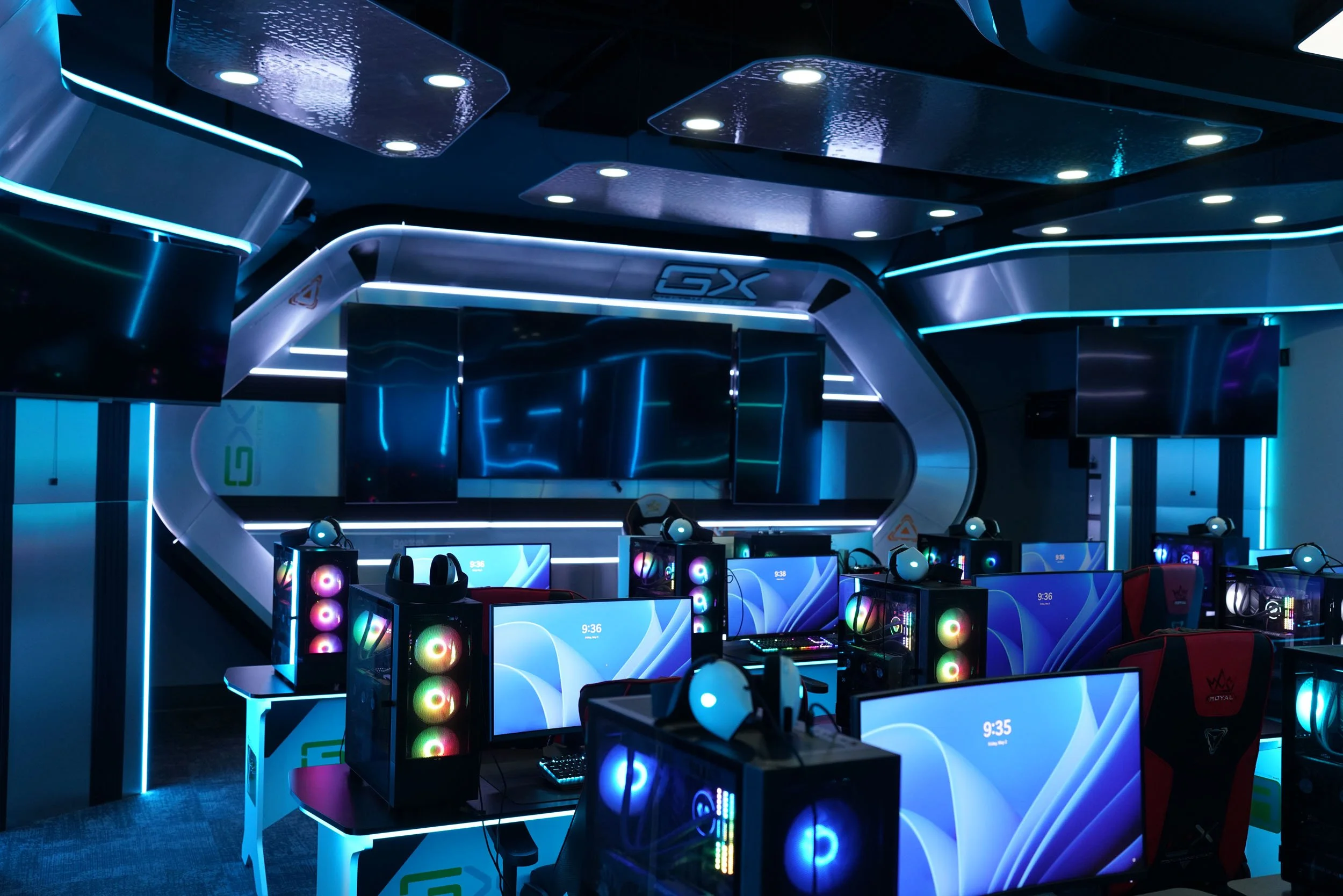
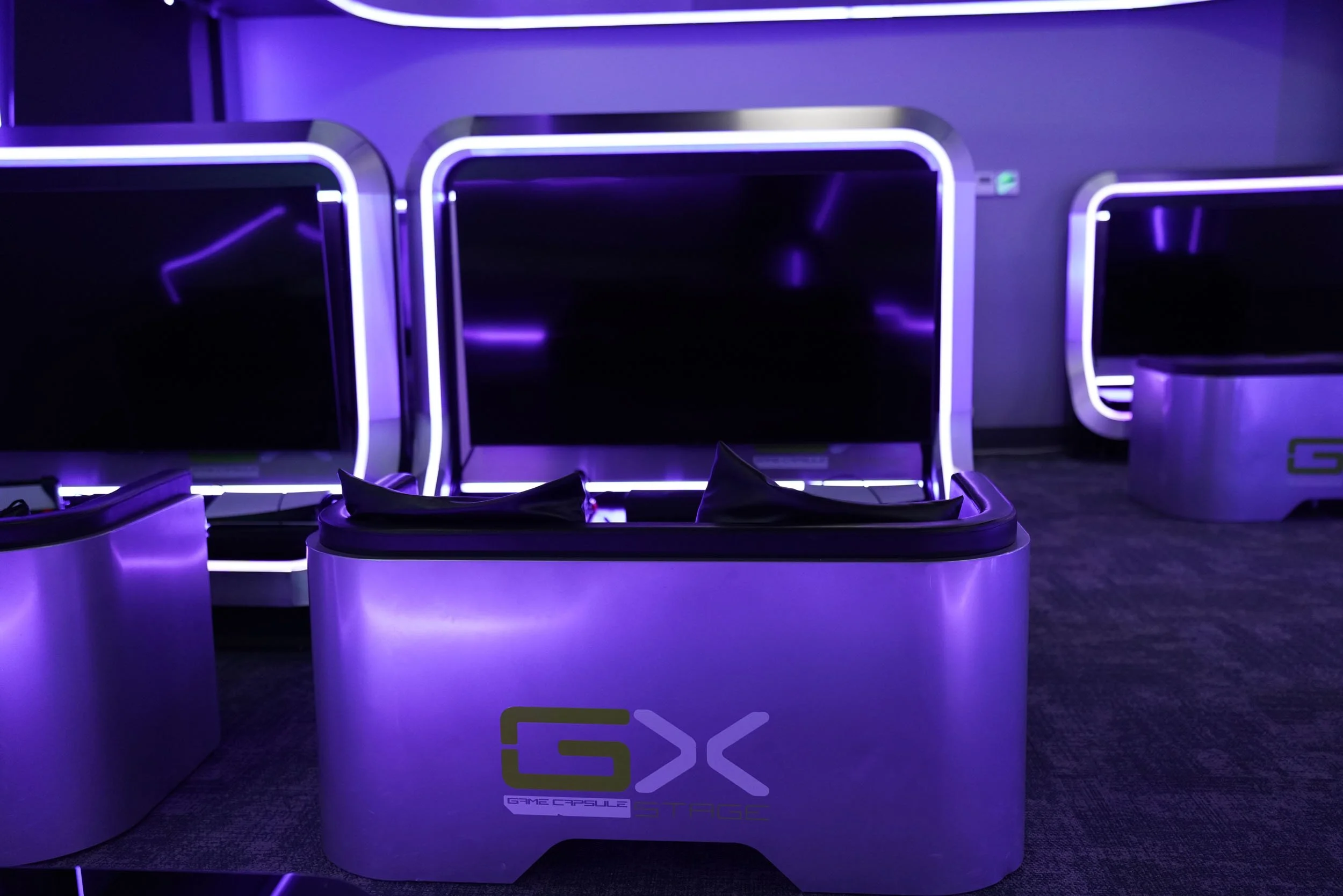
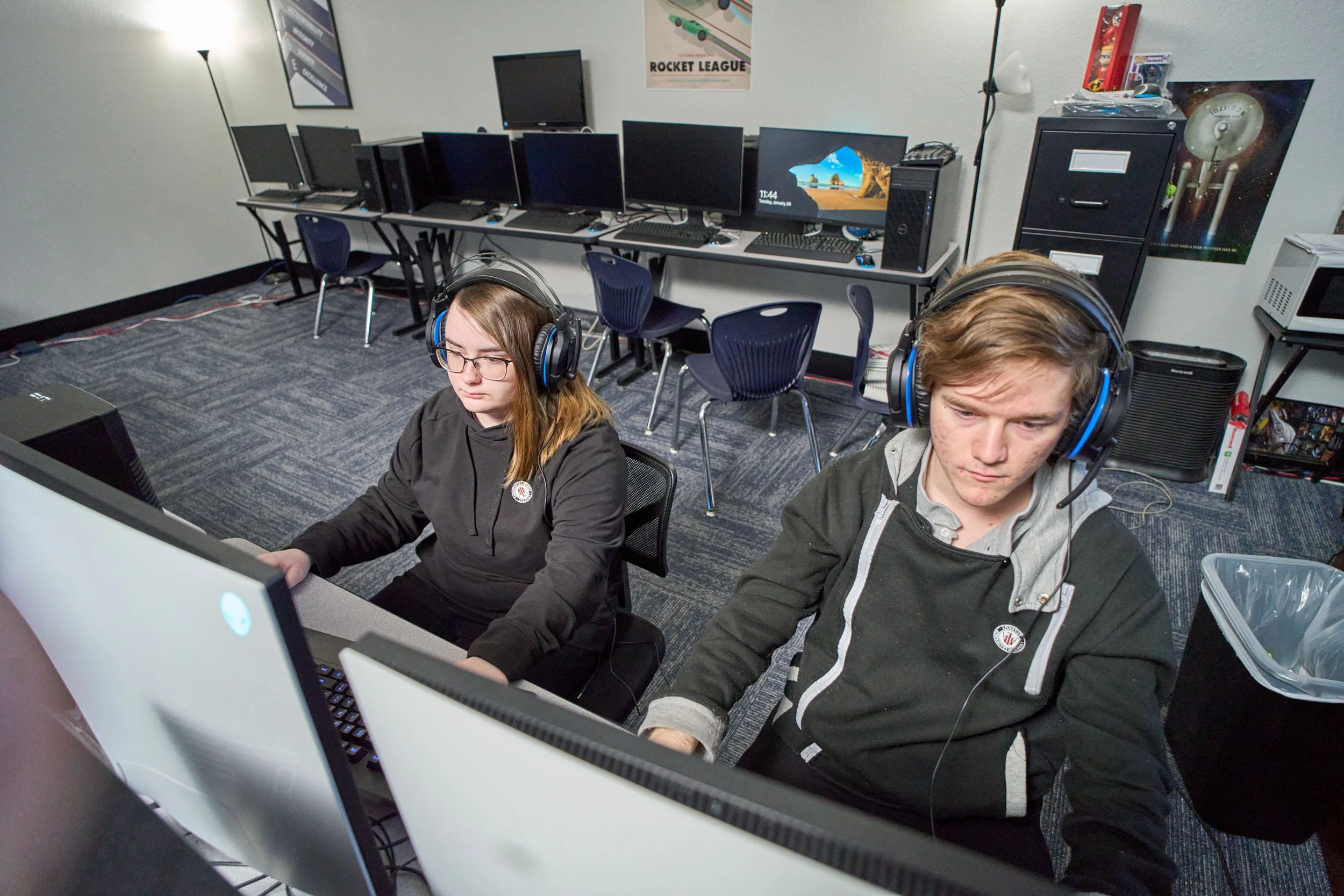
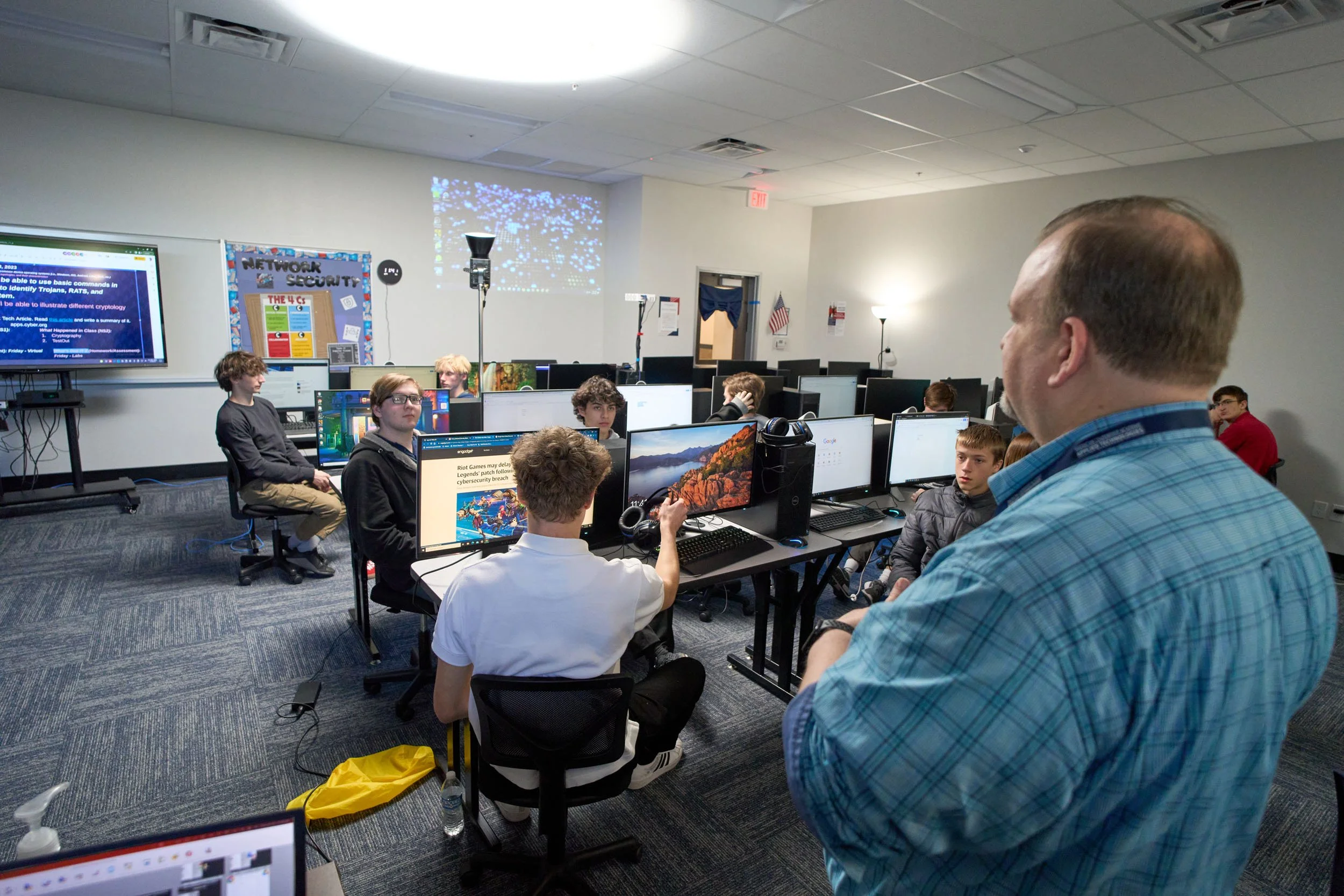
Students in the Gaming Technologies pathway train in a modern lab designed to support game design, esports, and digital content creation. The space is equipped with industry-relevant technology that allows students to develop technical skills, collaborate, and gain experience with the tools used in gaming and media production environments
High-Performance Computers: Computers with cutting-edge hardware ensure top-notch performance.
Every Major Gaming Console: We feature the latest PlayStation, Xbox, and Nintendo consoles to ensure a diverse and comprehensive gaming experience.
Professional-Grade Recording and Broadcasting Booth: Using advanced recording and streaming equipment, players can develop high-quality content, broadcasting experience, and communication skills.
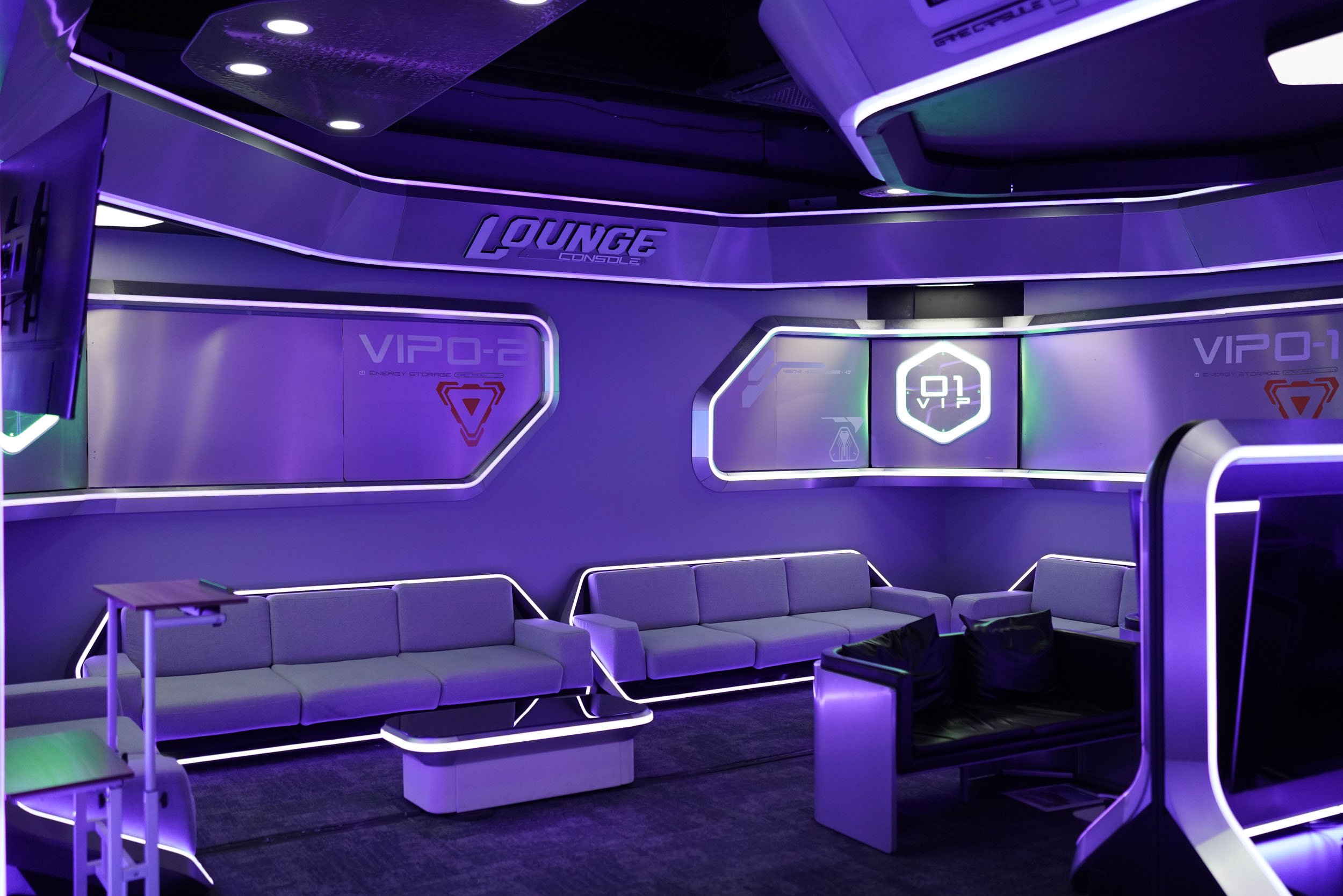

Esports Lounge
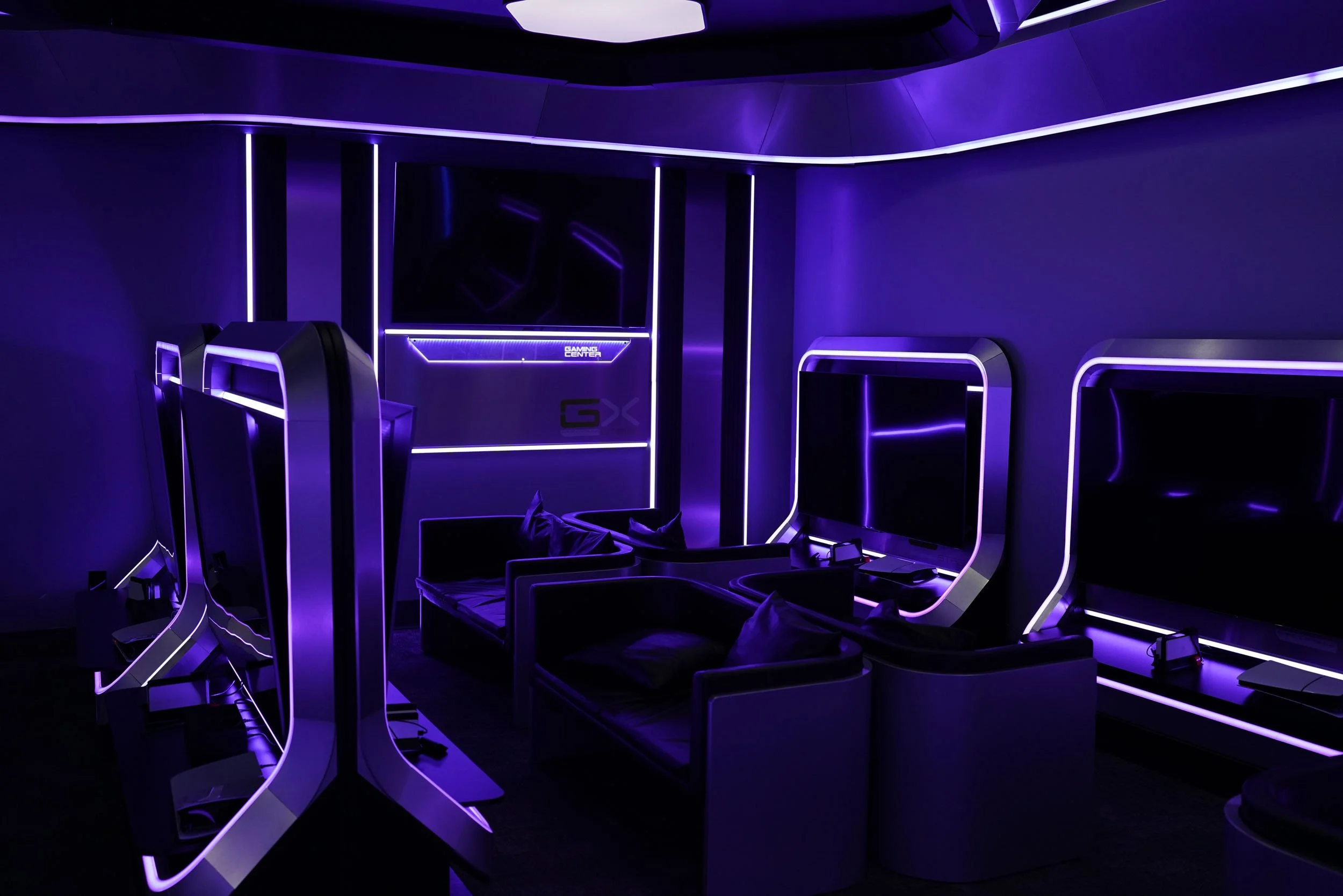
The esports lounge is a fully equipped, modern gaming space designed for tournaments, events, or casual play. It features high-performance gaming stations, comfortable seating, and a layout that supports competitive and collaborative gaming.
Frequently Asked Questions (FAQ)
-
No. It supports both technical and creative roles—programming, design, asset creation, and production-style teamwork.
-
A portfolio: playable projects, design work, and documented progress that shows what they can build and how they think.
-
Yes. Students create interactive projects and games as part of their coursework.
-
It’s both. Students use programming alongside design and creative thinking.
-
Yes. Projects often involve teamwork, planning, and iterative development.
-
Yes. Skills transfer into design, media, programming, and digital content roles.
Industry Partners
We collaborate with leading industry professionals to ensure our students gain real-world experience, leading to direct pathways into high-demand careers. We are proud to work alongside organizations that invest in the future of our students.