

Baking & Pastry
PROGRAM OVERVIEW
BAKING & PASTRY
PROGRAM LENGTH: 3 years
GRADES: 10-12
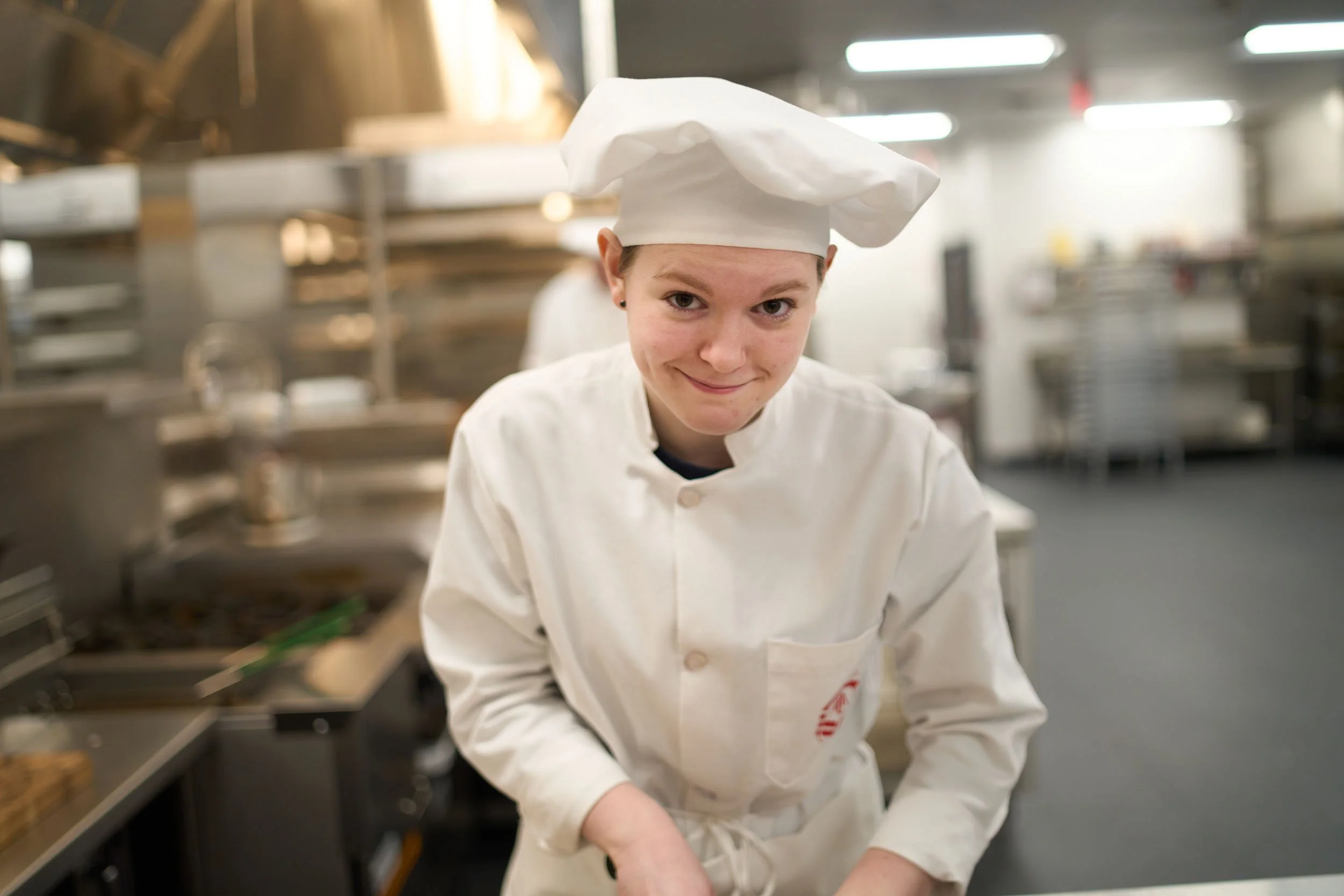
The Baking & Pastry pathway is for students who like precision, creativity, and production work. Students learn the science behind baking, then apply it through repeated practice—building skills in breads, pastries, desserts, and professional bakery workflow.
By the end of the program, students will learn skills in:
- Baking safety, sanitation, and professional standards
- Measuring accuracy, ingredient functions, and baking science
- Mixing methods, temperature control, and production timing
- Breads and dough fundamentals (including advanced dough work as students progress)
- Cakes, pastry fundamentals, desserts, and finishing techniques
- Plated desserts and presentation
- Production planning, menu development, and cost basics
- Bakery leadership and efficiency (as students move into advanced levels)
Course Pathway Map
Introductory course teaching foundational baking and pastry skills. Emphasis on baking science, precise measuring, breads, cakes, cookies, pastries, ingredient functions, mixing methods, temperature control, kitchen safety, sanitation, and decorating techniques. Practical lab projects and teamwork included.
Intermediate baking and pastry course focusing on advanced techniques: laminated doughs, artisanal breads, specialty cakes, intricate pastries, chocolate work, plated desserts, and bakery production planning. Includes leadership, teamwork, catered events, and preparation for ServSafe Food Handlers Exam and ACF Certified Fundamental Pastry Cook Exam.
Advanced baking and pastry course emphasizing mastery of techniques: sugar artistry, chocolate sculpting, artisan breads, high-end plated desserts, entrepreneurship, bakery management, marketing, and product development. Hands-on labs, catered events, and culinary competitions included. ServSafe Food Handlers and ACF exams preparation.
Internship providing classroom and on-the-job training with 120 hours of field work, portfolio development, employer and instructor evaluations, and a final reflection. Students gain real-world culinary experience in a professional setting. Transportation to the site required.
Capstone project applying project management fundamentals, research, portfolio development, and a final presentation or report demonstrating mastery of culinary skills. Integrates academic accomplishments and prepares students for professional culinary careers.
For the most accurate and up-to-date information regarding course offerings, requirements, and descriptions, please refer to the official course catalog.
Certificates & Licenses
Throughout the Baking and Pastry pathway, students develop skills in baking production, dessert preparation, and event planning. Students have the opportunity to earn industry-recognized certifications including ServSafe Food Handler and the American Culinary Federation Certified Fundamental Pastry Cook credential, preparing them for entry-level roles in bakeries, catering, and pastry production.
| Certificate Name | Class / Year Obtained | Type | Purpose / Eligibility | Information Covered |
|---|---|---|---|---|
| ServSafe Food Handler | Baking & Pastry II-III | Certification Exam Eligibility | Demonstrates knowledge of food safety practices for bakery and food service environments | Food safety, sanitation, personal hygiene, cross-contamination prevention, and safe food handling procedures |
| American Culinary Federation Certified Fundamental Pastry Cook | Baking & Pastry II-III | Certification Exam Eligibility | Validates foundational baking and pastry skills for entry-level bakery and pastry roles | Baking techniques, pastry production, measurements and scaling, dessert preparation, food presentation, and kitchen operations |
Career, Salary, and Growth Opportunities
Entry
Median
Experienced
NATIONAL ANNUAL SALARY
2018
2020
2022
AZ MEDIAN SALARY GROWTH
2024
2034
PROJECTED JOB OUTLOOK
Culinary and baking careers offer students opportunities to turn creativity and skill into rewarding work in food service, baking, and hospitality. Roles such as baker, pastry chef, and cake decorator provide salaries ranging from $30,000 to $75,000, with experienced professionals often earning higher wages in restaurants, bakeries, and catering. In Arizona, median pay for chefs and head cooks has grown steadily over the past decade, rising from about $36,800 in 2017 to approximately $62,790 in 2022.
The field continues to see steady demand, with chefs, head cooks, and food service managers earning median wages around $60,000–$65,000 nationally, with employment projected to grow about 7% through the next decade. For students who enjoy creating food, working in dynamic kitchen environments, and combining creativity with practical skills, the Culinary Academy provides a dependable pathway to meaningful, in-demand work.
*Statistics sourced from U.S. Bureau of Labor Statistics (BLS) and Arizona workforce projections.
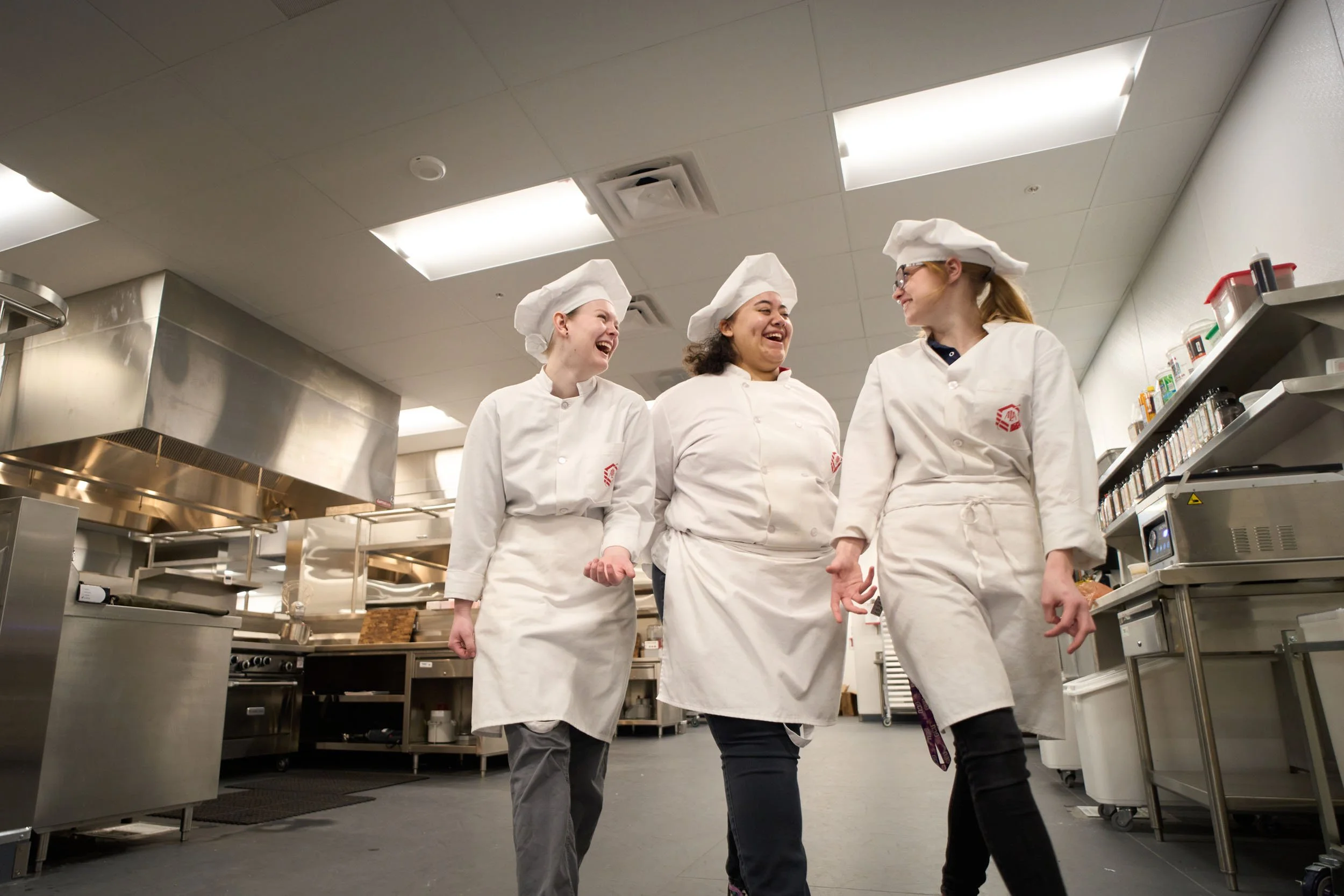
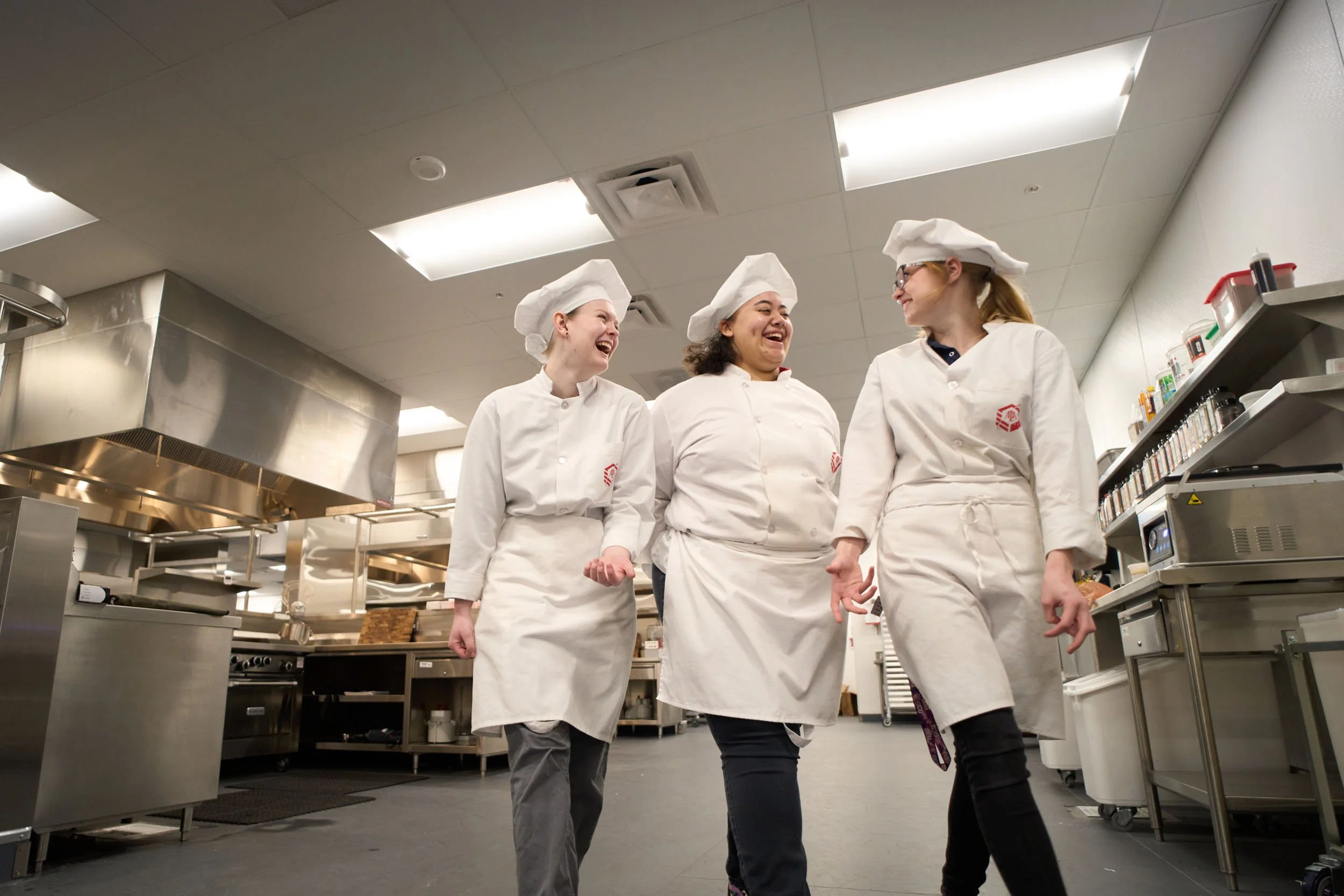
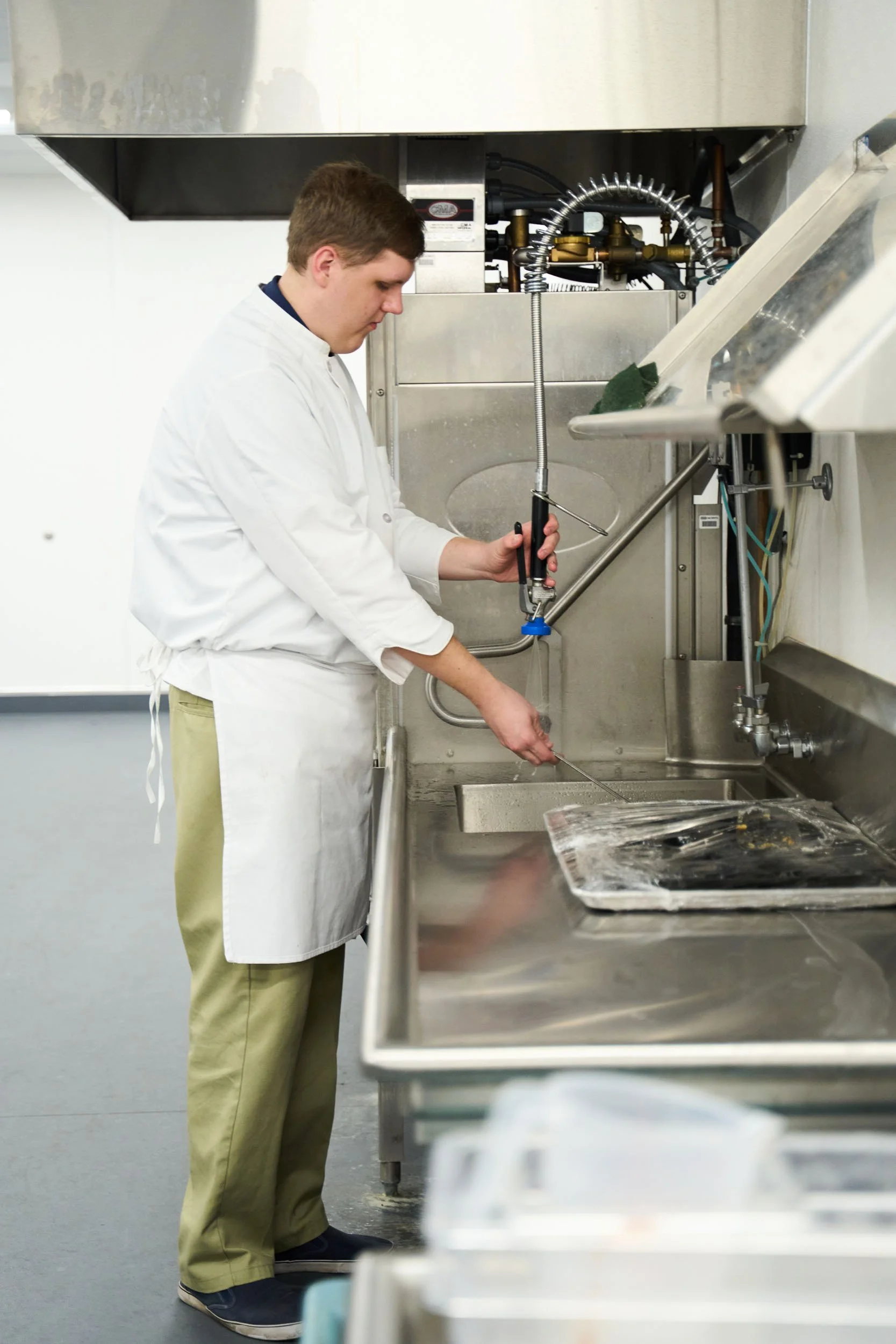
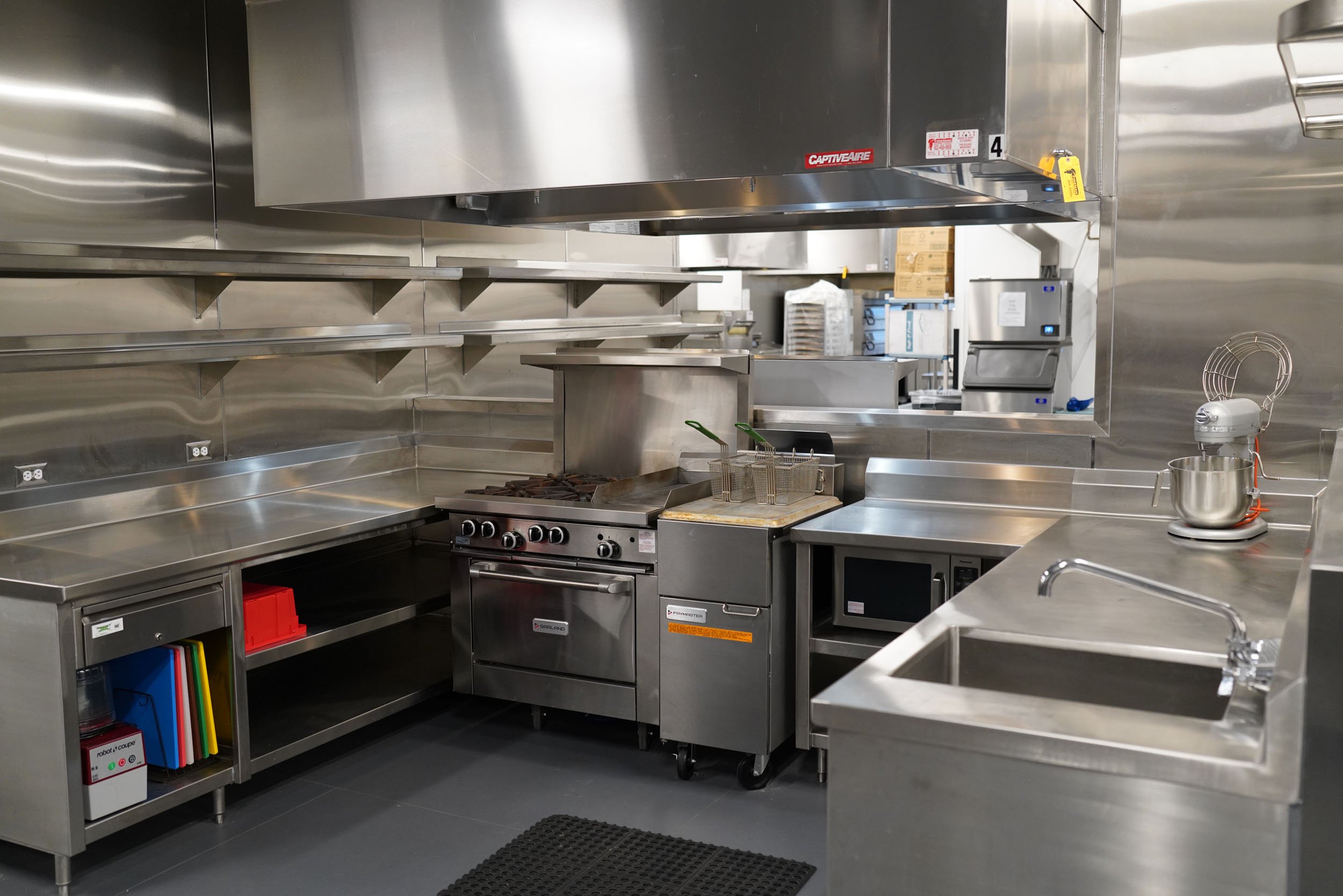
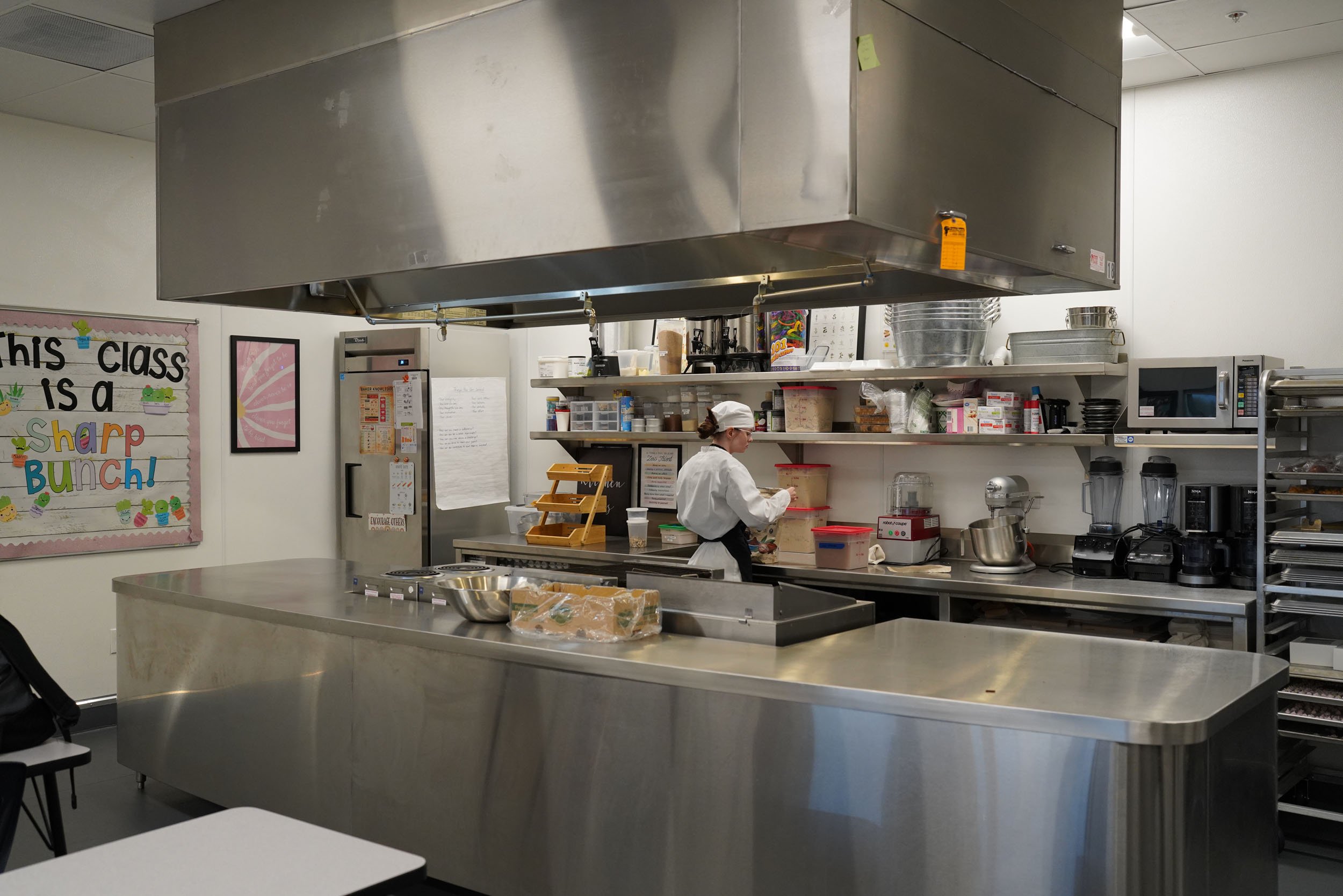
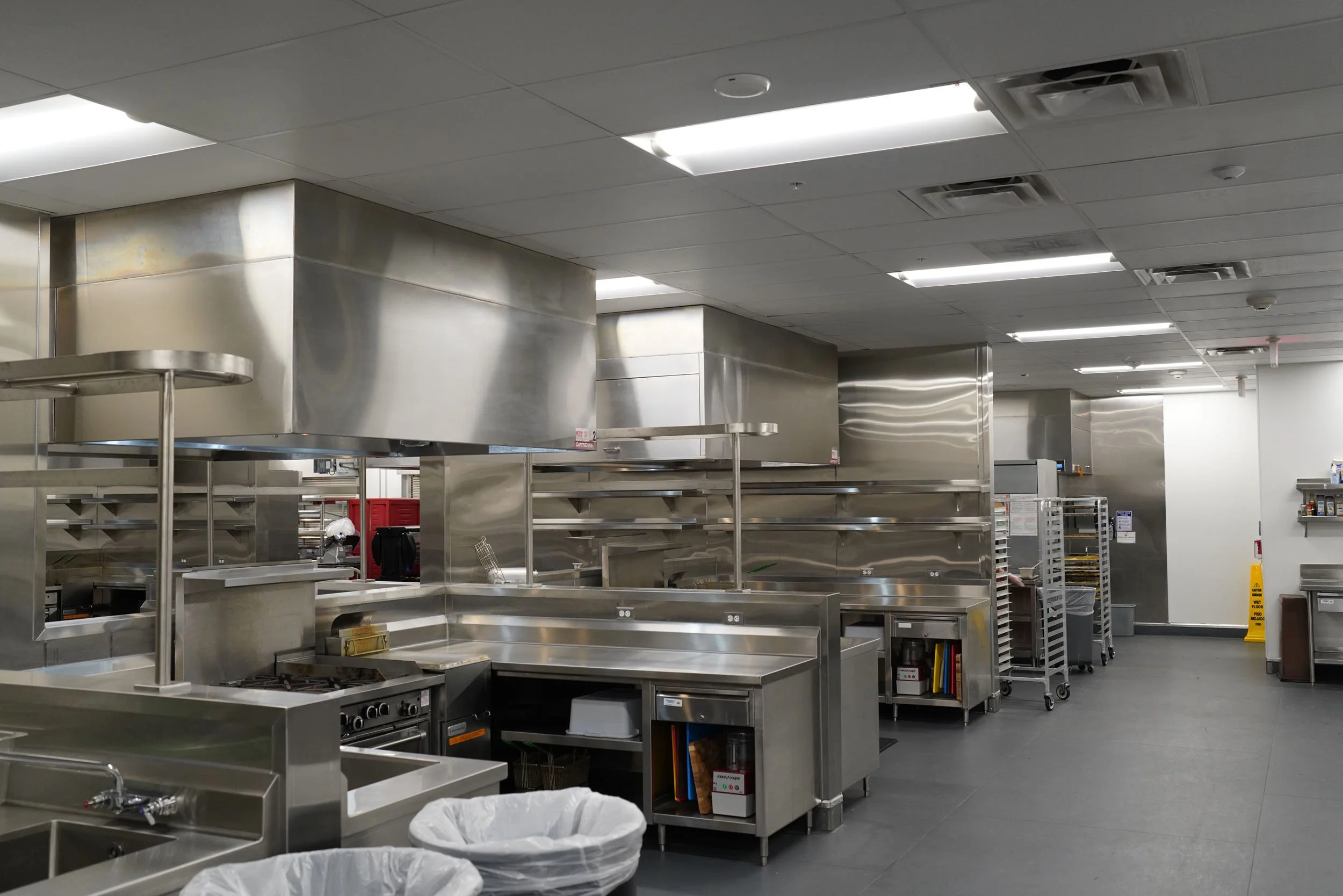
Our Facilities
Frequently Asked Questions (FAQ)
-
Both. Baking is controlled chemistry—precision matters—then creativity comes through finishing, flavor, and presentation.
-
It covers a broad range, including breads, pastries, desserts, and advanced finishing as students progress.
-
Accuracy, patience, cleanliness, consistency, and the ability to repeat a process until it’s reliable.
-
Yes. These are introduced as students progress into higher-level courses.
-
Baking relies on exact measurements and controlled processes since small changes can significantly affect results.
-
Yes. Presentation and finishing techniques are part of the pathway as students advance.
-
Yes. While baking is structured, students apply creativity in design, flavor combinations, and presentation.
Our Industry Partners
We collaborate with leading industry professionals to ensure our students gain real-world experience, leading to direct pathways into high-demand careers. We are proud to work alongside organizations that invest in the future of our students.
