

Culinary Arts
PROGRAM OVERVIEW
CULINARY ARTS
PROGRAM LENGTH: 3 years
GRADES: 10-12
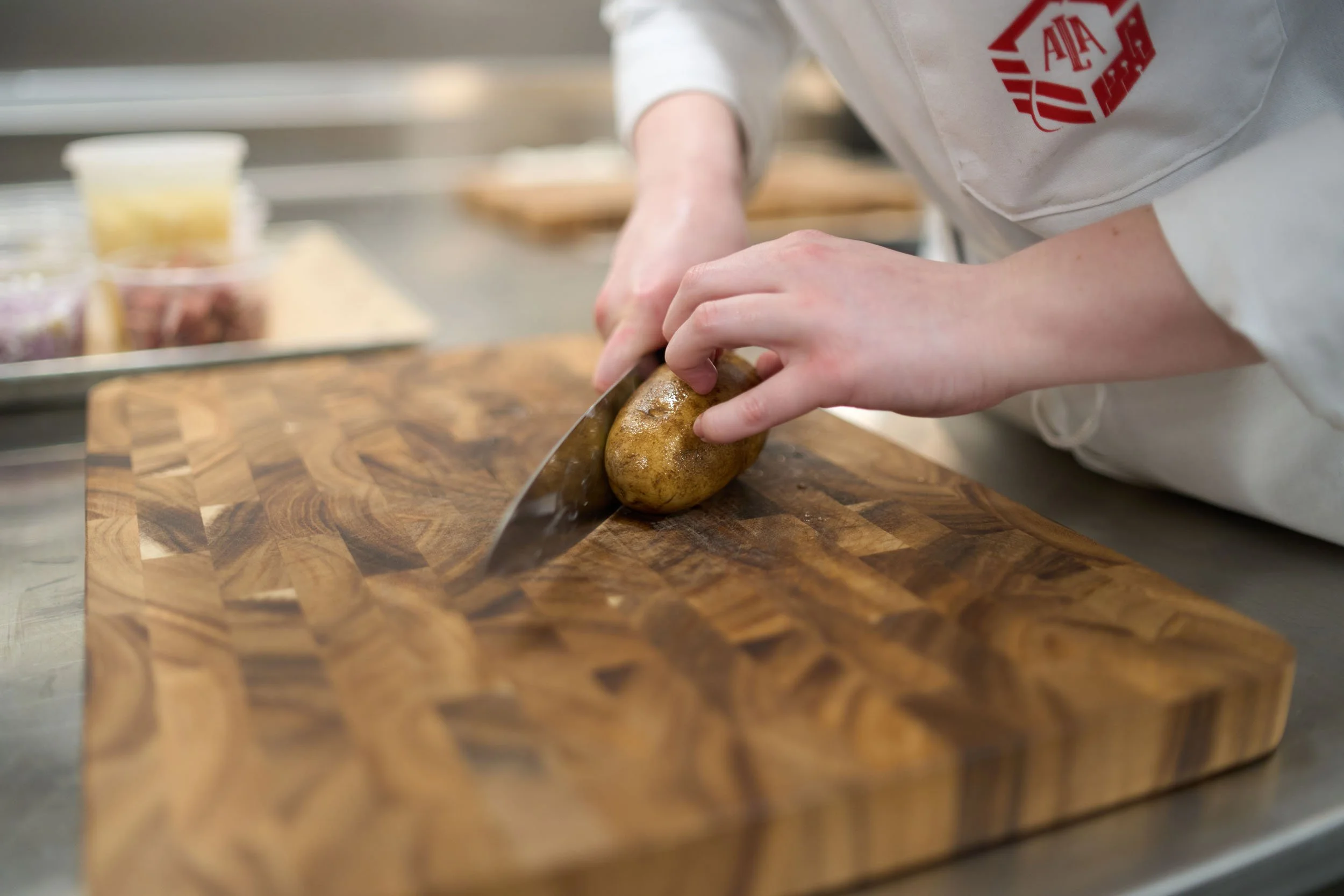
The Culinary Arts pathway is for students who want to learn how professional kitchens work—from basic techniques to leadership and real service production. Students build the skills needed for entry-level kitchen roles and create a foundation for long-term growth in culinary careers.
By the end of the program, students will learn skills in:
- Kitchen safety, sanitation, and professional kitchen expectations
- Knife skills, recipe reading, and core cooking methods
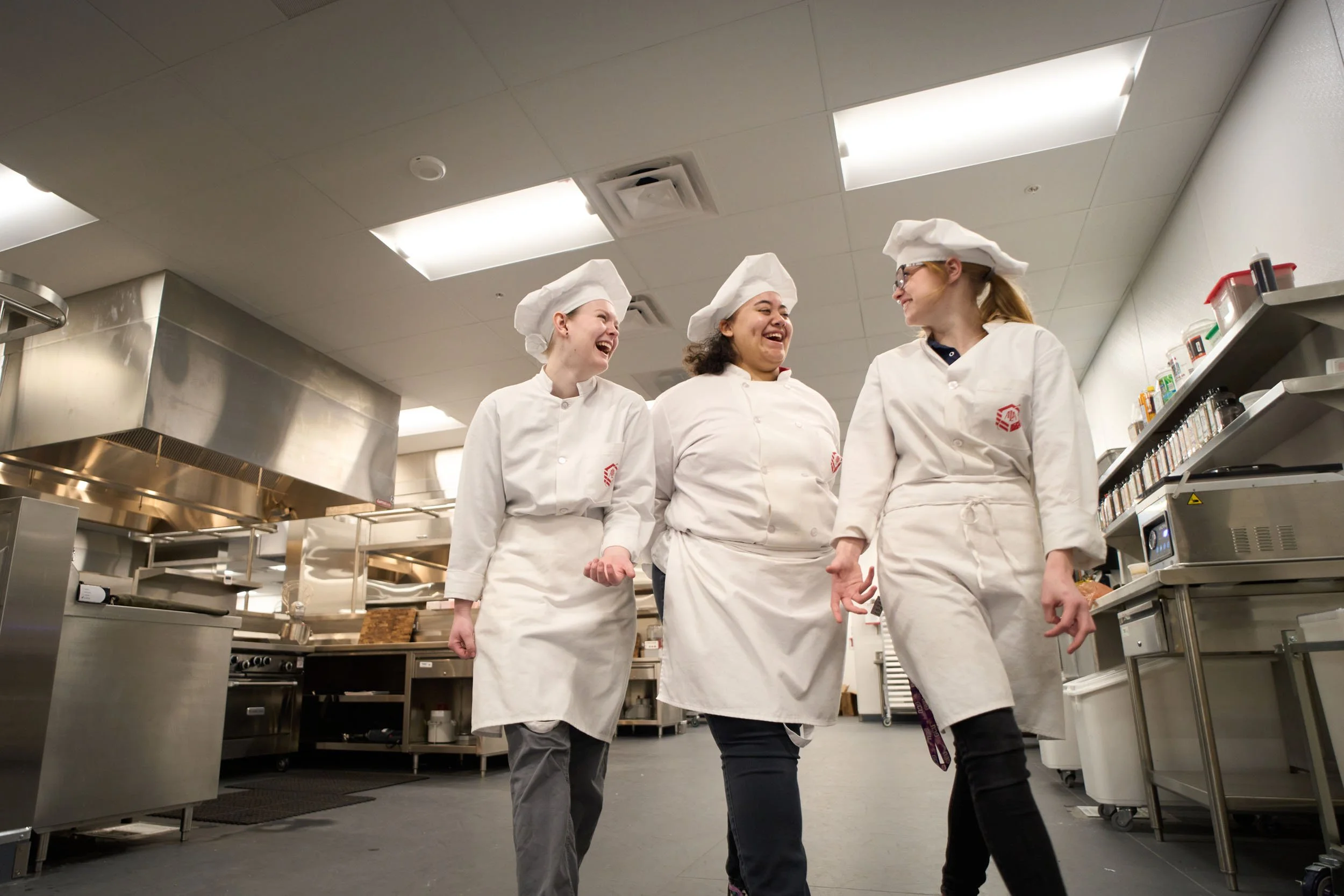
- Timing, station workflow, and teamwork (how a kitchen actually runs)
- Flavor development, plating fundamentals, and quality control
- Menu planning and production planning
- Inventory, purchasing, and food cost basics
- Catering/event production and student-led operations (where applicable)
Course Pathway Map
Foundational culinary course covering food preparation, kitchen safety, sanitation, knife skills, basic cooking methods, recipe reading, teamwork, time management, communication, food presentation, basic inventory, purchasing, and financial decisions. Students work in hands-on labs and participate in school events and catered projects. ServSafe Food Protection Manager preparation included.
Builds on foundational skills with advanced culinary techniques, recipe development, creative food presentation, food science, nutrition, global cuisines, menu planning & costing, event catering, student-run business operations, and leadership roles in the kitchen. Students prepare for ServSafe Food Handlers Exam and ACF Certified Fundamental Cook Exam. Hands-on labs included.
Advanced course for mastery of culinary techniques, leadership in the kitchen, menu development, event planning, entrepreneurship, restaurant management, and food sustainability. Students participate in catered events, competitions, and internships. Preparation for ServSafe Food Handlers Exam and ACF Certified Fundamental Cook Exam. Hands-on labs included.
Internship providing classroom and on-the-job training with 120 hours of field work. Includes portfolio development, employer and instructor evaluations, and a final written summary. Real-world culinary experience in professional kitchens. Students must provide transportation to the site.
Capstone project using project management fundamentals, research, portfolio, and presentation to demonstrate mastery of culinary skills. Integrates academic accomplishments and prepares students for professional culinary careers.
For the most accurate and up-to-date information regarding course offerings, requirements, and descriptions, please refer to the official course catalog.
Certificates & Licenses
Throughout the Culinary Arts pathway, students develop foundational cooking skills while learning industry standards for food safety, kitchen operations, and professional culinary techniques. Students have the opportunity to earn industry-recognized certifications including ServSafe Food Handlers, ServSafe Food Protection Manager, and the American Culinary Federation Certified Fundamental Cook credential, preparing them for entry-level roles in restaurants, catering, and food service management.
| Certificate Name | Class / Year Obtained | Type | Purpose / Eligibility | Information Covered |
|---|---|---|---|---|
| ServSafe Food Protection Manager | Culinary Arts I | Certification Exam Eligiblity | Prepares students for supervisory roles and advanced food safety responsibilities | Foodborne illness prevention, HACCP principles, kitchen sanitation, temperature control, and regulatory compliance |
| ServSafe Food Handlers Exam | Culinary Arts II-III | Exam Eligibility | Demonstrates knowledge of food safety practices for entry-level food service roles | Food safety, sanitation, personal hygiene, cross-contamination prevention, and safe food handling procedures |
| American Culinary Federation Certified Fundamental Cook | Culinary Arts II–III | Certification Exam Eligibility | Validates foundational culinary skills for entry-level professional cooking positions | Knife skills, cooking methods, recipe execution, kitchen operations, food presentation, and teamwork |
Career, Salary, and Growth Opportunities
Entry
Median
Experienced
NATIONAL ANNUAL SALARY
2018
2021
2024
AZ MEDIAN SALARY GROWTH
2024
2034
PROJECTED JOB OUTLOOK
Careers in commercial kitchens and restaurant management combine culinary skill, teamwork, and leadership to create memorable dining experiences. Roles such as line cook, chef, and restaurant manager offer salaries ranging from $30,000 to $90,000, with experienced professionals often earning higher wages depending on their skills and leadership experience.
Industry data shows chefs and head cooks earning a median of about $60,990 per year, with employment projected to grow about 7 percent through 2034, faster than the average for all occupations. Restaurant managers also see strong demand, overseeing service, staffing, and operations in dynamic foodservice environments. For students who enjoy working in fast-paced kitchens, leading teams, and turning culinary expertise into a career, the Culinary Academy provides a dependable pathway to meaningful, in-demand opportunities.
*Statistics sourced from U.S. Bureau of Labor Statistics (BLS) and Arizona workforce projections.
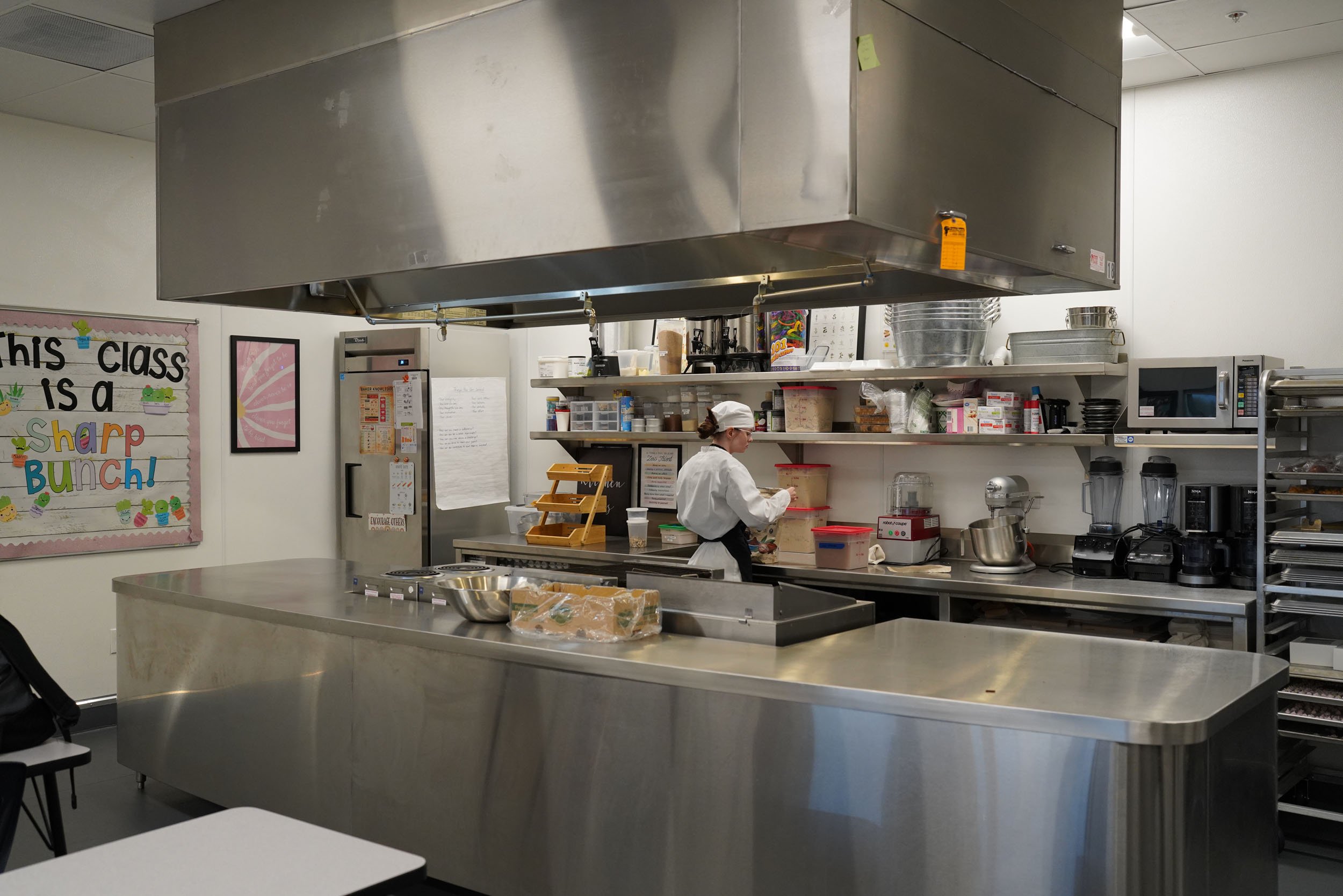
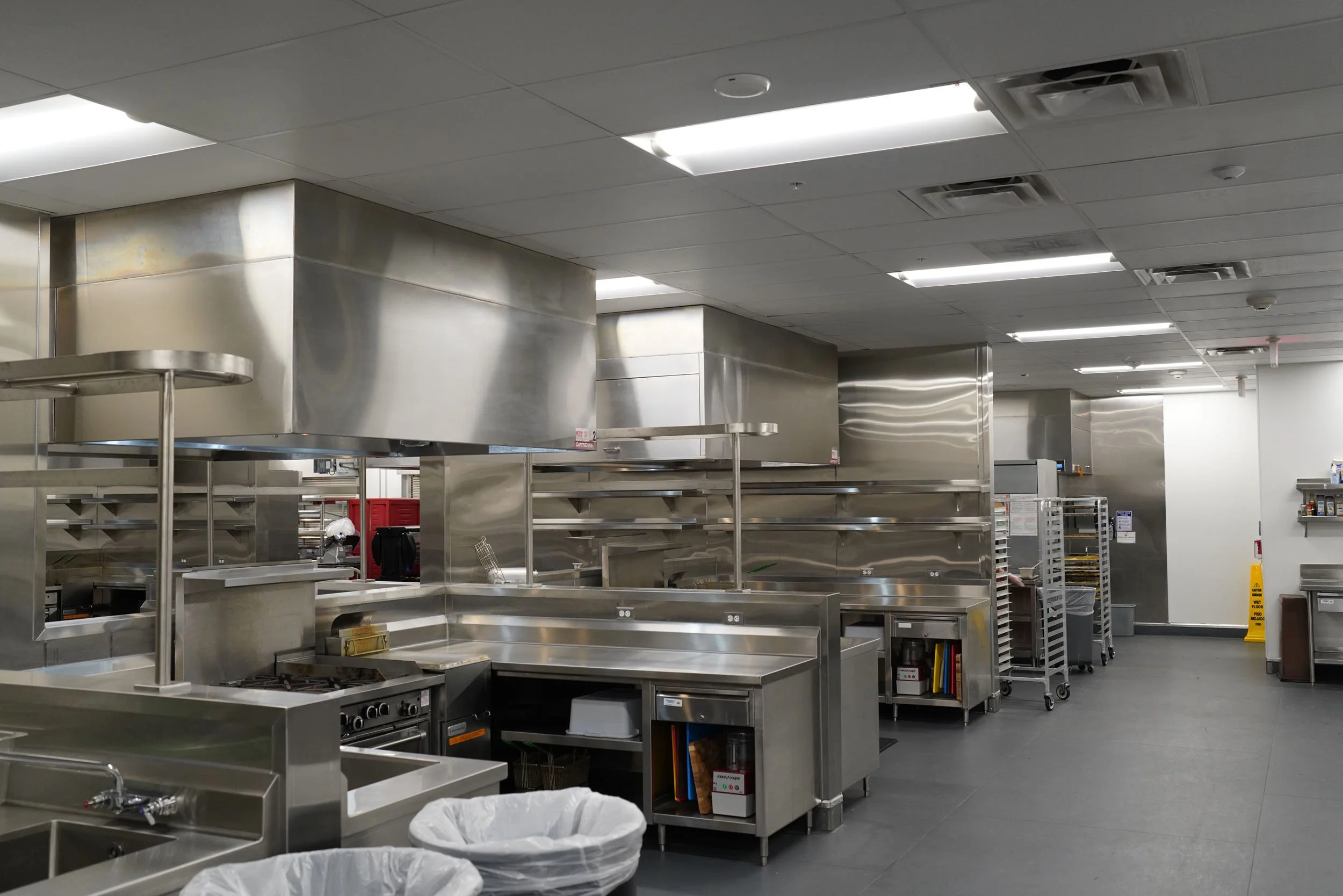
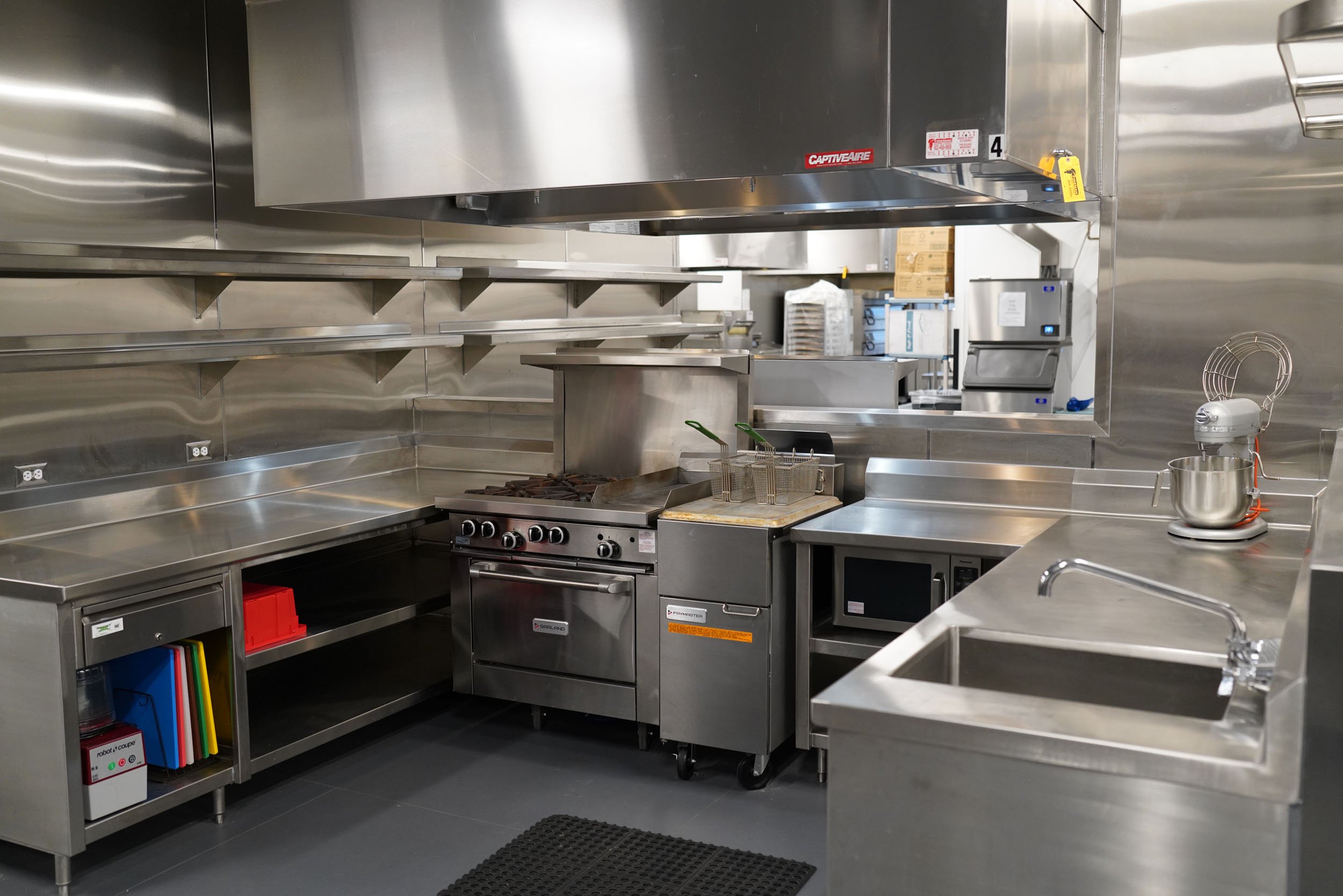
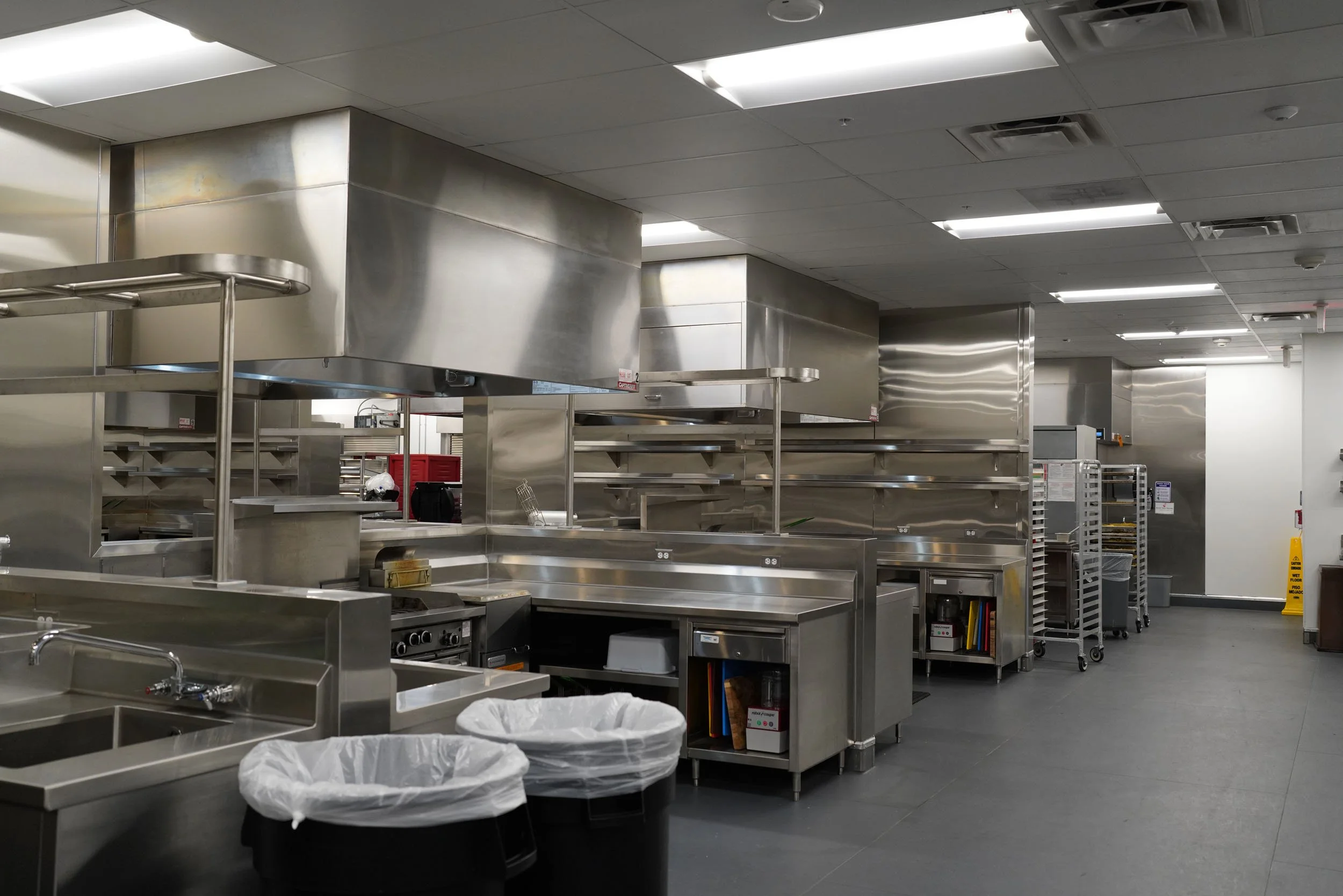
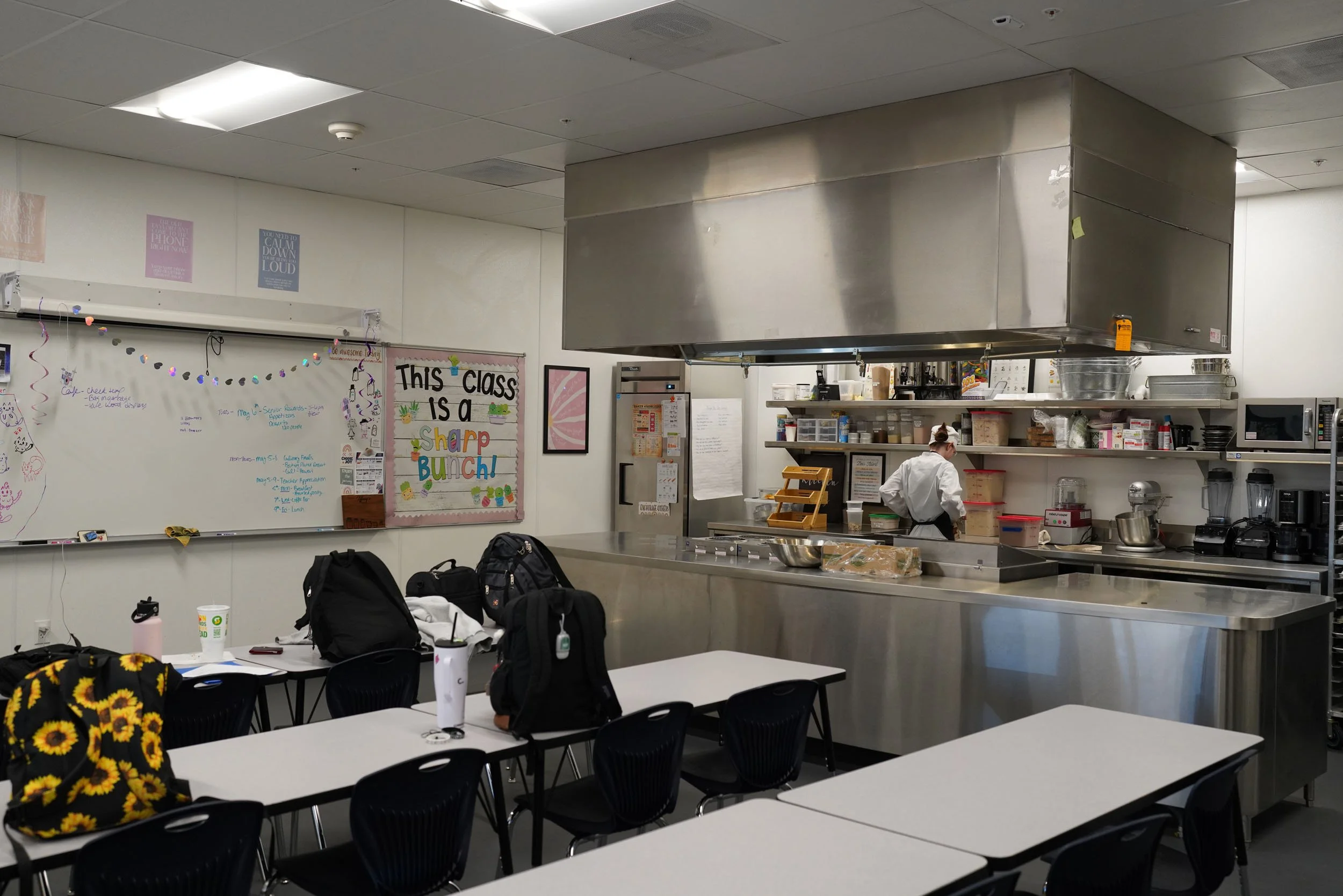
Our Facilities
Frequently Asked Questions (FAQ)
-
Students may do some baking basics depending on course projects, but Baking & Pastry is the dedicated baking specialization.
-
Both. Students learn cooking skills and also learn operational skills like inventory, purchasing, food cost, and planning.
-
Culinary II and III emphasize leadership responsibilities and real kitchen operations, which is where leadership habits are built.
-
Yes. Timing, coordination, and working under pressure are built into lab experiences and event-based work.
-
Yes. As students progress, they begin modifying and creating recipes as part of advanced coursework.
-
Yes. Nutrition and ingredient awareness are included as part of understanding food preparation and menu planning.
Our Industry Partners
We collaborate with leading industry professionals to ensure our students gain real-world experience, leading to direct pathways into high-demand careers. We are proud to work alongside organizations that invest in the future of our students.
