Air Transportation
PROGRAM OVERVIEW
AIR TRANSPORTATION
PROGRAM LENGTH: 3 years
GRADES: 10-12
Air Transportation is a three-year program for students who want aviation knowledge and modern aerospace skills, including drone/UAS operations. Students complete both the classroom course and the matching lab course as part of the program.
Students have the opportunity to take the FAA Private Pilot Knowledge Test (for students who qualify) and to pursue Part 107 Remote Pilot (UAS/drone) certification preparation and testing expectations through the program.
Important Readiness Notes:
The earliest start is typically 10th grade due to pilot age milestones (solo at 16; private pilot certificate at 17).
Students must demonstrate maturity and aeronautical decision-making to take the Private Pilot Knowledge Test at the end of year 2.
Students are required to participate in a pre-registration interview and an FAA medical exam; students who do not pass the medical exam are still encouraged to complete the program for broader aerospace careers.
By the end of the program, students will learn skills in:
- Safety procedures, shop professionalism, and maintenance documentation
- Correct tool use, tool accountability, and precision measuring
- Servicing and ground operations
- Weight and balance basics and inspection thinking
- Aerodynamics using applied physics and math
- Electrical theory and systems (batteries, generators, motors, regulators, circuit protection)
- Aircraft systems work as they advance (fuel, oil, hydraulics, environmental control)
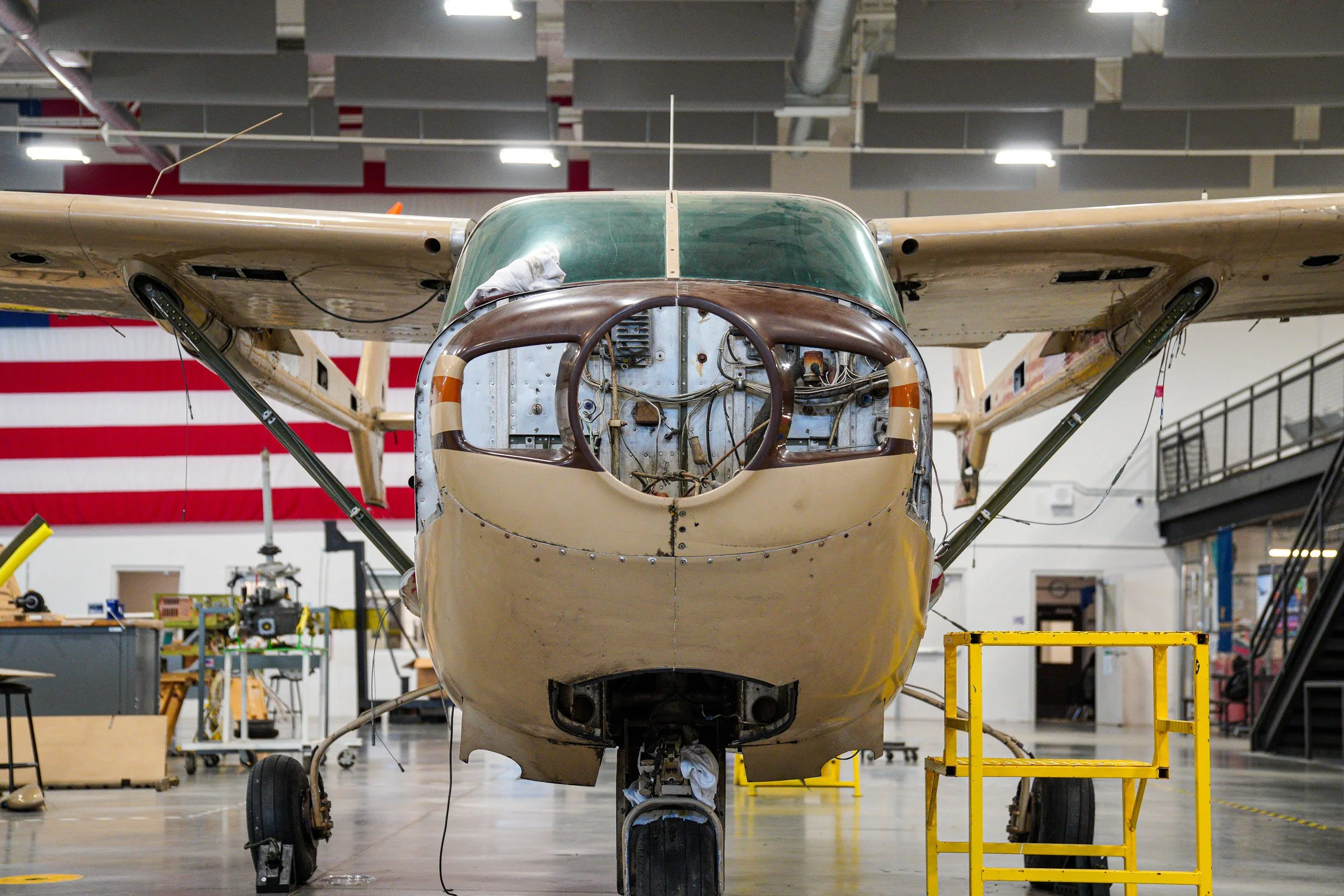
- Inspection, maintenance, and troubleshooting across landing gear, flight controls, navigation, flight instruments
- Engine/powerplant concepts (reciprocating and turbine engines), troubleshooting, and overhaul fundamentals
Questions about Registration?
✉ districtregistrar@alaschools.org
Course Pathway Map
This course provides a foundation in flying, aerospace engineering, and unmanned aircraft systems. Students will explore engineering practices, problem-solving techniques, and the history and innovations of aviation and aerospace. The course also introduces a variety of career pathways across the aviation and aerospace industries.
In this course, students study pre-flight procedures, airspace classifications, radio communications and phraseology, and aviation regulations. Additional topics include airport operations, safety, weather systems, cockpit management, and emergency procedures. Students who qualify will have the opportunity to take the FAA Private Pilot Knowledge Test.
This course focuses on unmanned aerial systems (UAS), including their history and commercial applications. Students will learn about flight and ground safety, aviation regulations, and certification requirements. Preparation for the FAA Part 107 Remote Pilot Knowledge Test is an integral part of the course.
In this course, students will design a project using the fundamentals of project management, conduct research on their topic of interest, then produce a final written report, portfolio, or a presentation that summarizes and demonstrates student learning. The capstone project will relate to academic accomplishments and demonstrate mastery of the subject. Students will receive 1.0 CTE or Elective credit upon completion of this two-semester course.
For the most accurate and up-to-date information regarding course offerings, requirements, and descriptions, please refer to the official course catalog.
Certificates & Licenses
This Air Transportation pathway provides students with valuable opportunities to begin their journey in aviation by preparing for industry-recognized Federal Aviation Administration (FAA) certifications. Qualified students can take the FAA Private Pilot Knowledge Test, while also gaining the knowledge and skills needed to pursue Part 107 Remote Pilot (UAS/drone) certification. Certificates/ Tests students can earn include:
| Certificate Name | Class / Year Obtained | Type | Purpose / Eligibility | Information Covered |
|---|---|---|---|---|
| FAA Private Pilot Knowledge Test | Air Transportation II | Written Exam | Required for Private Pilot License (PPL) | Weather, navigation, flight planning, regulations, aircraft operations |
| FAA Part 107 Remote Pilot Test (UAS/Drone Certification) | Air Transportation III | Written Exam | Required for commercial drone operators in the U.S. | Airspace rules, weather, loading & performance, safe drone operations |
| OSHA 10-Hour Certification | Air Transportation III | Test | Potentially required by employer | Promote workplace safety and health and to make workers more knowledgeable about workplace hazards and their rights. |
Career, Salary, and Growth Opportunities
Entry
Median
Experienced
ANNUAL SALARY
2020
2022
2024
AZ MEDIAN SALARY GROWTH
2024
2034
PROJECTED JOB OUTLOOK
Air transportation opens the door to a range of aviation careers, from piloting to operational support roles. Positions such as commercial pilot, air traffic controller, and flight dispatcher offer salaries ranging from about $45,000 to $180,000, with experienced professionals earning significantly more as they advance. These roles connect to broader aviation opportunities including airport operations, dispatch support, air cargo logistics, and drone operations.
Nationally, airline pilots earn a median pay of about $226,600 per year, while commercial pilots earn about $122,670, with roughly 18,200 openings projected annually through 2034. Arizona wages are comparable, with commercial pilot earnings typically around the low-to-mid $120,000 range depending on employer and experience. For students interested in aviation, navigation, and operational planning, air transportation pathways provide a dependable route to high-skill, in-demand careers across the aviation industry.
*Statistics sourced from U.S. Bureau of Labor Statistics (BLS) and Arizona workforce projections.
Our Facilities
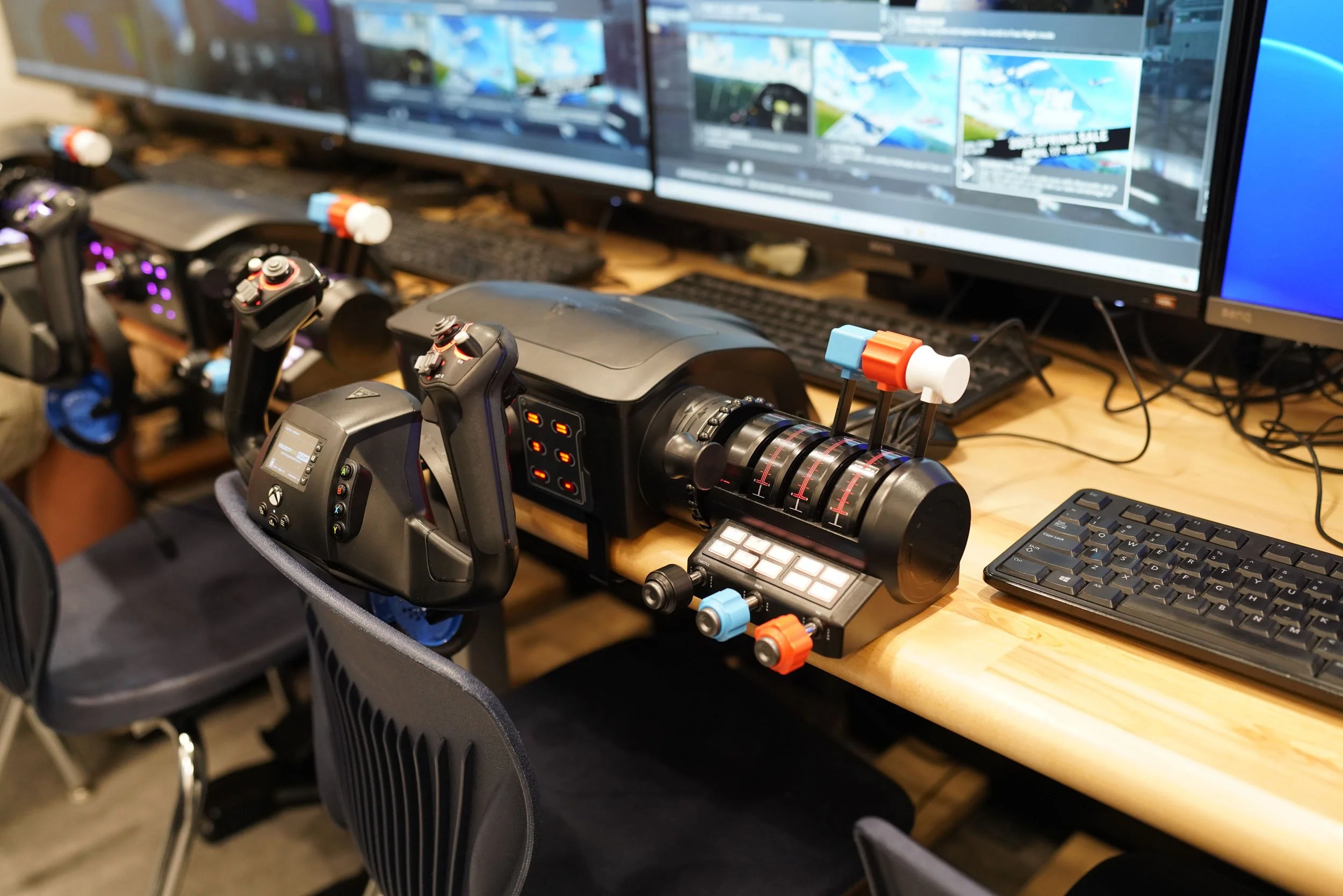
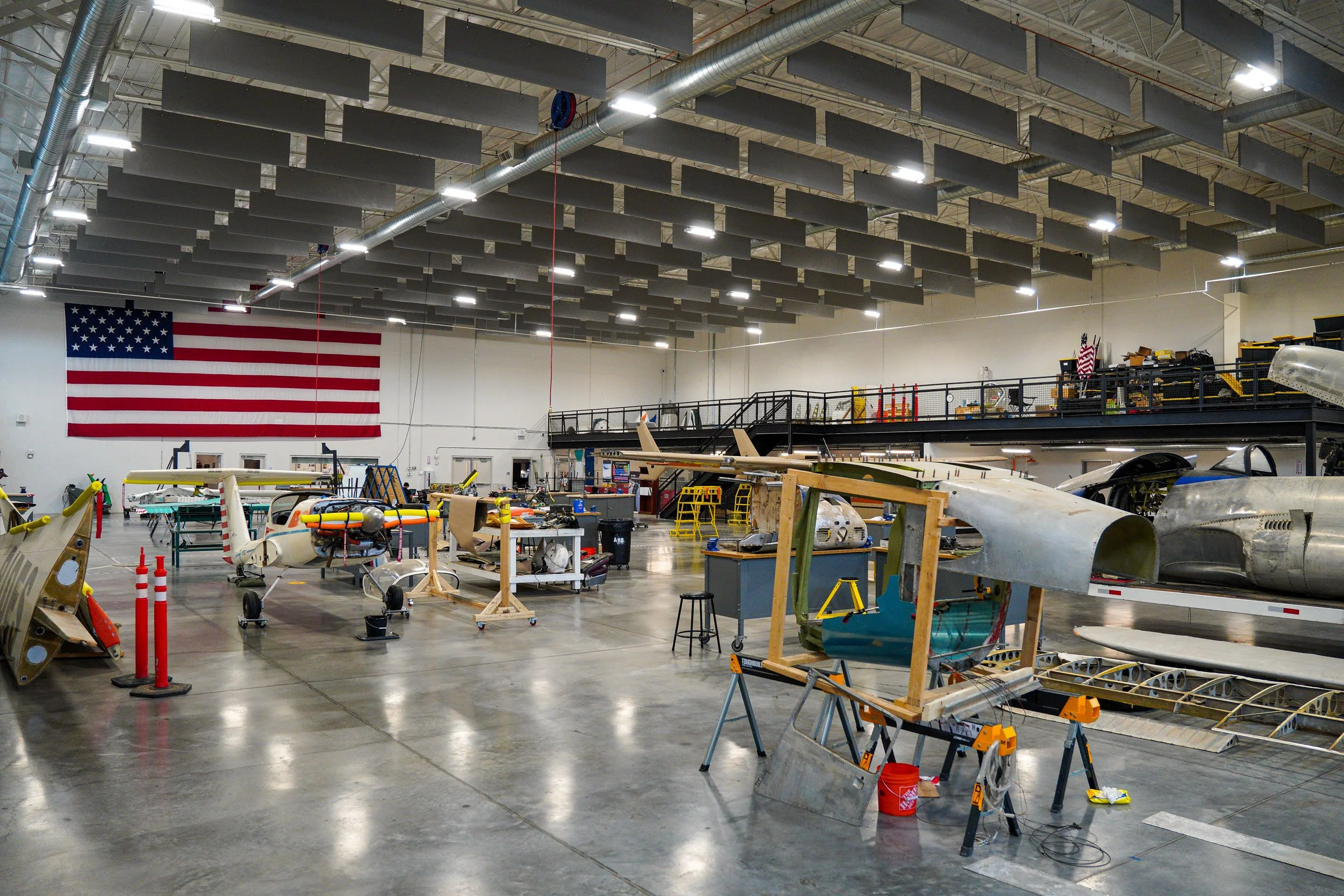
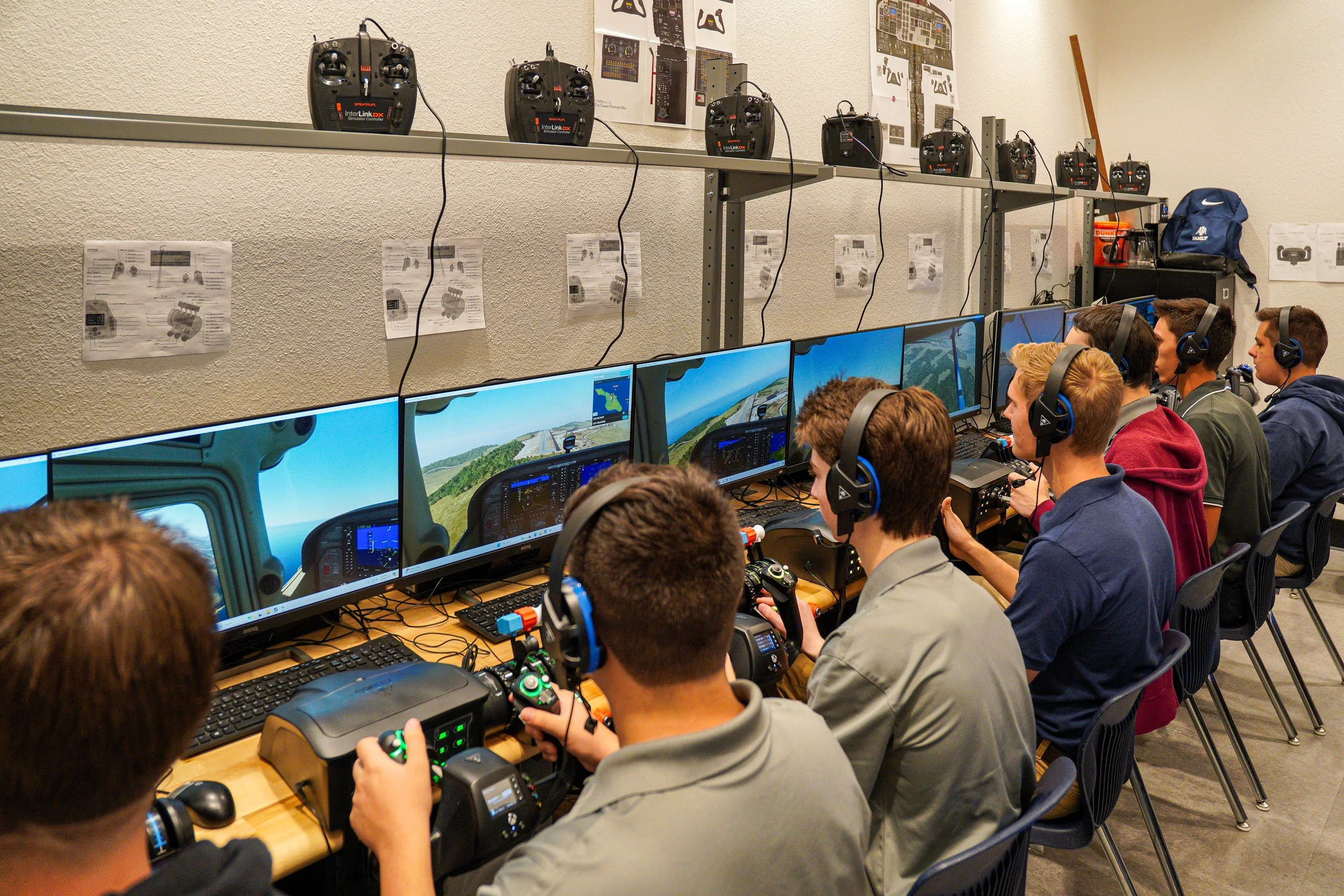
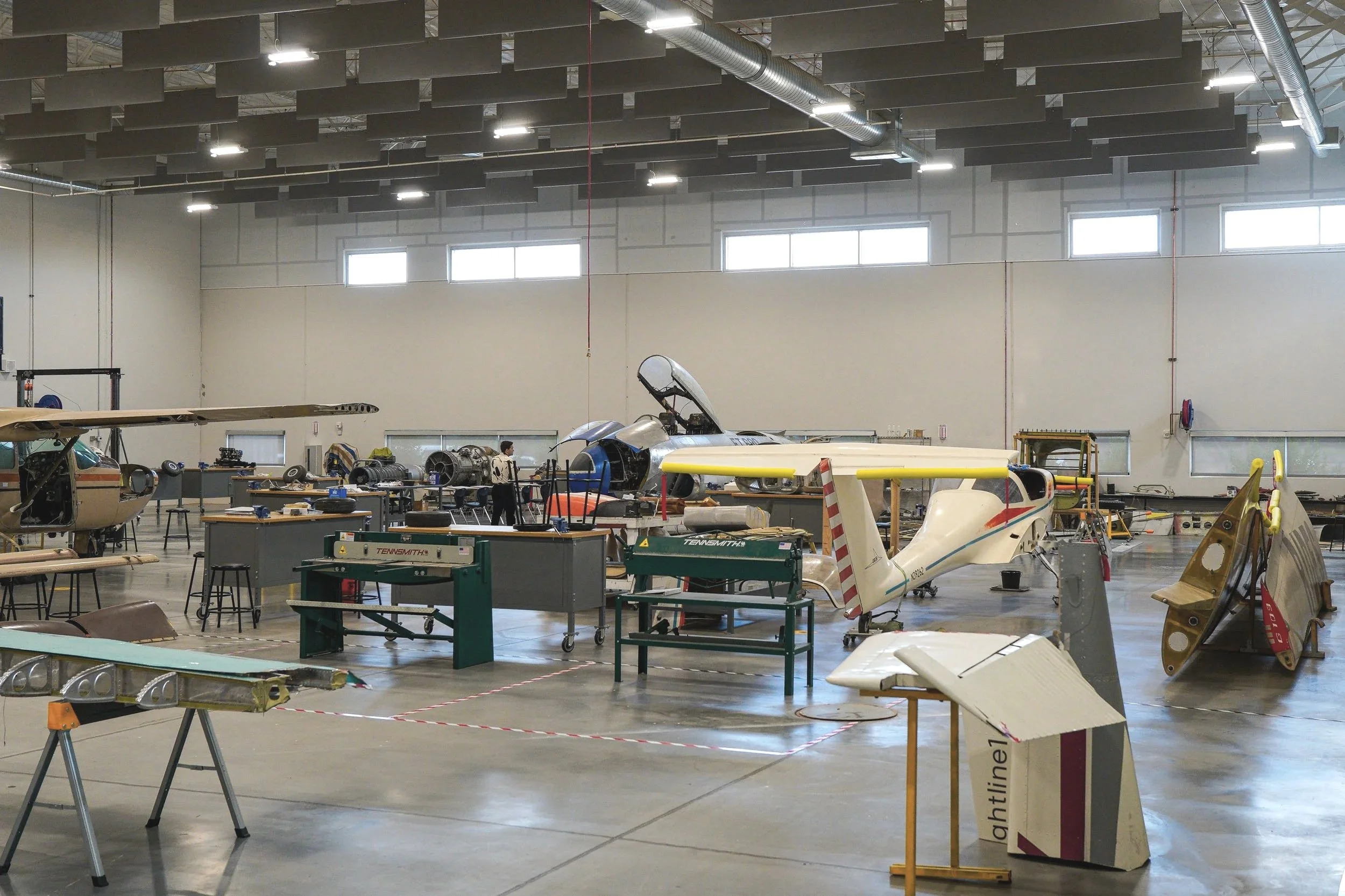
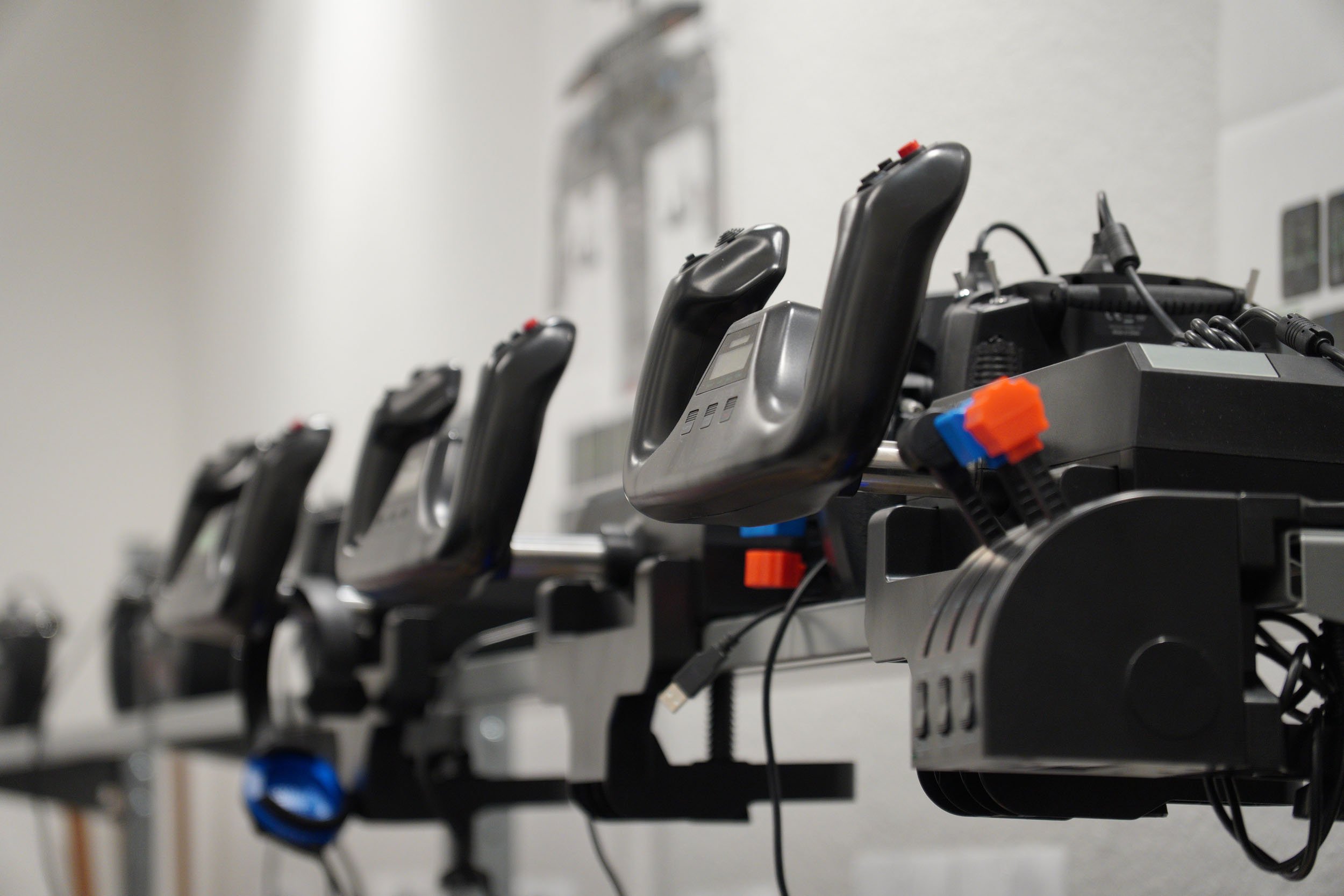
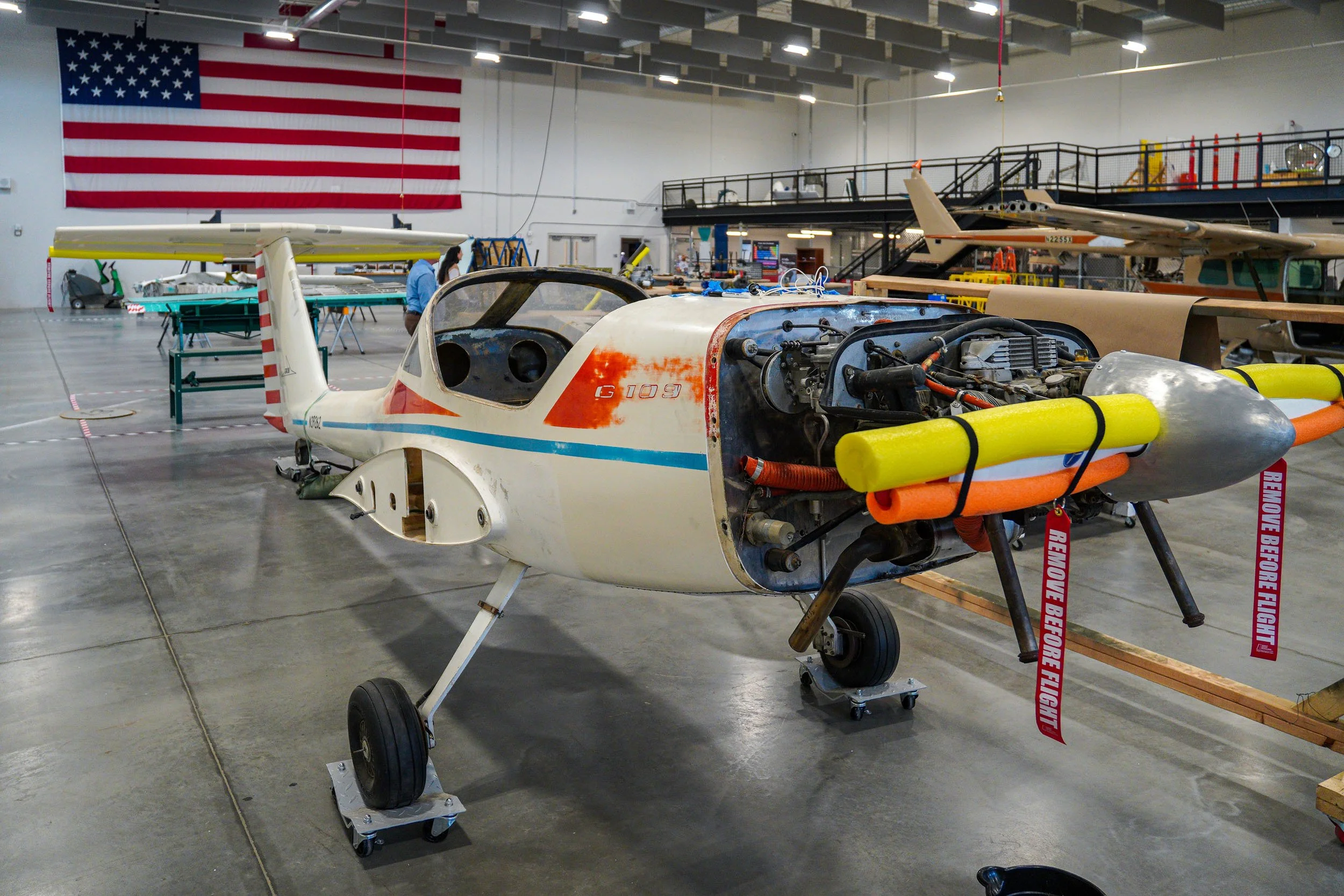
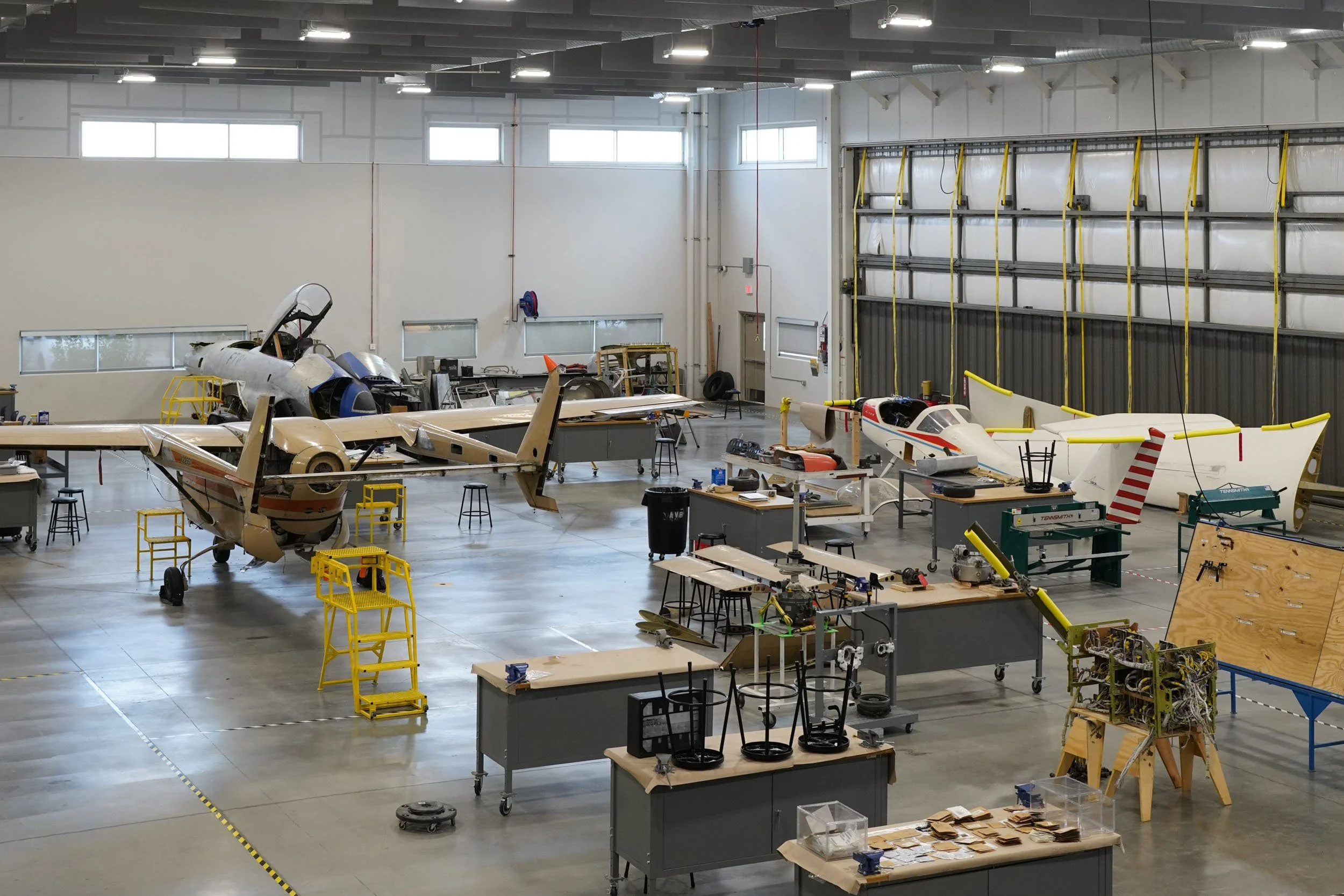
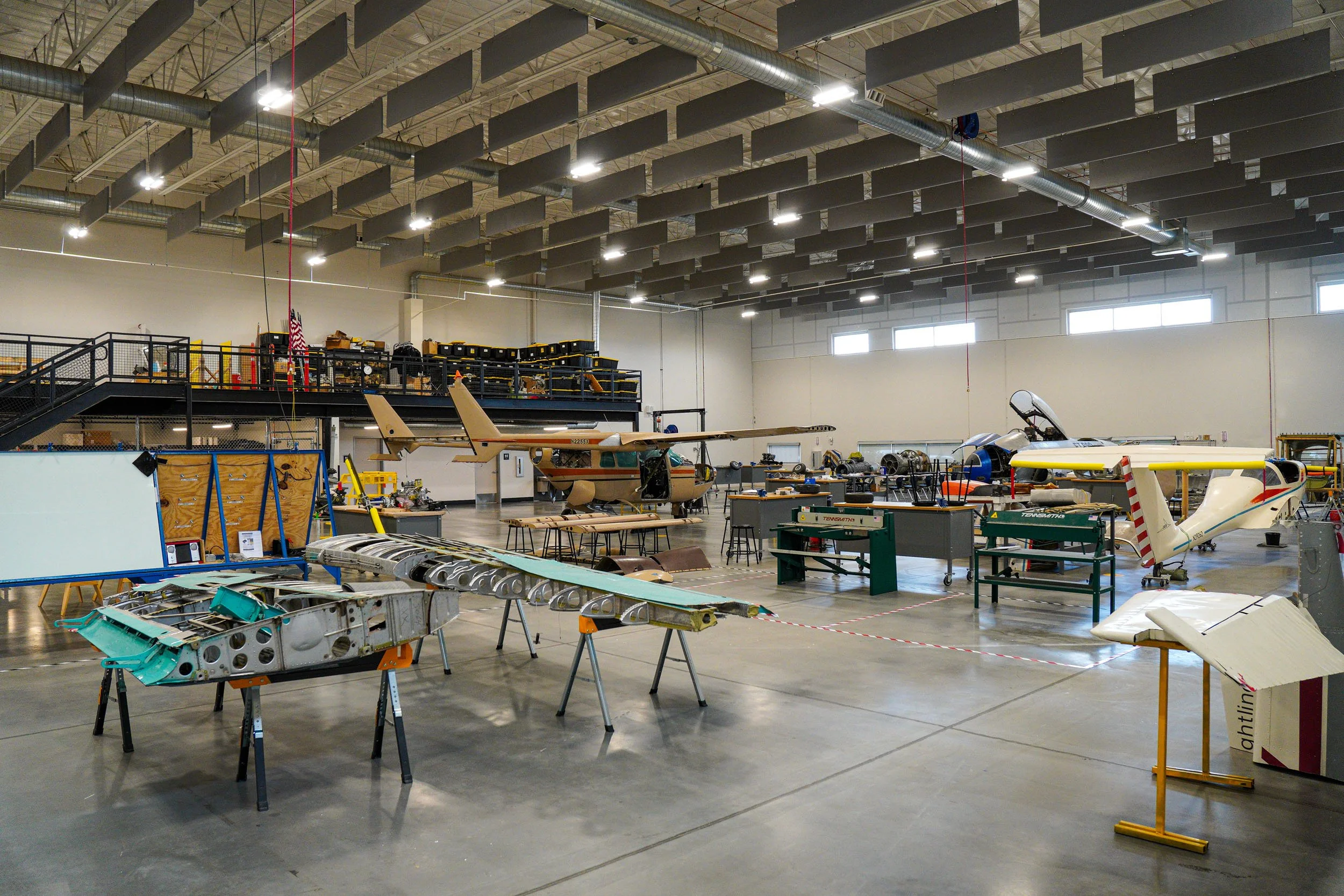
The Air Transportation pathway feautures modern facilities and tools designed to build practical skills and technical expertise:
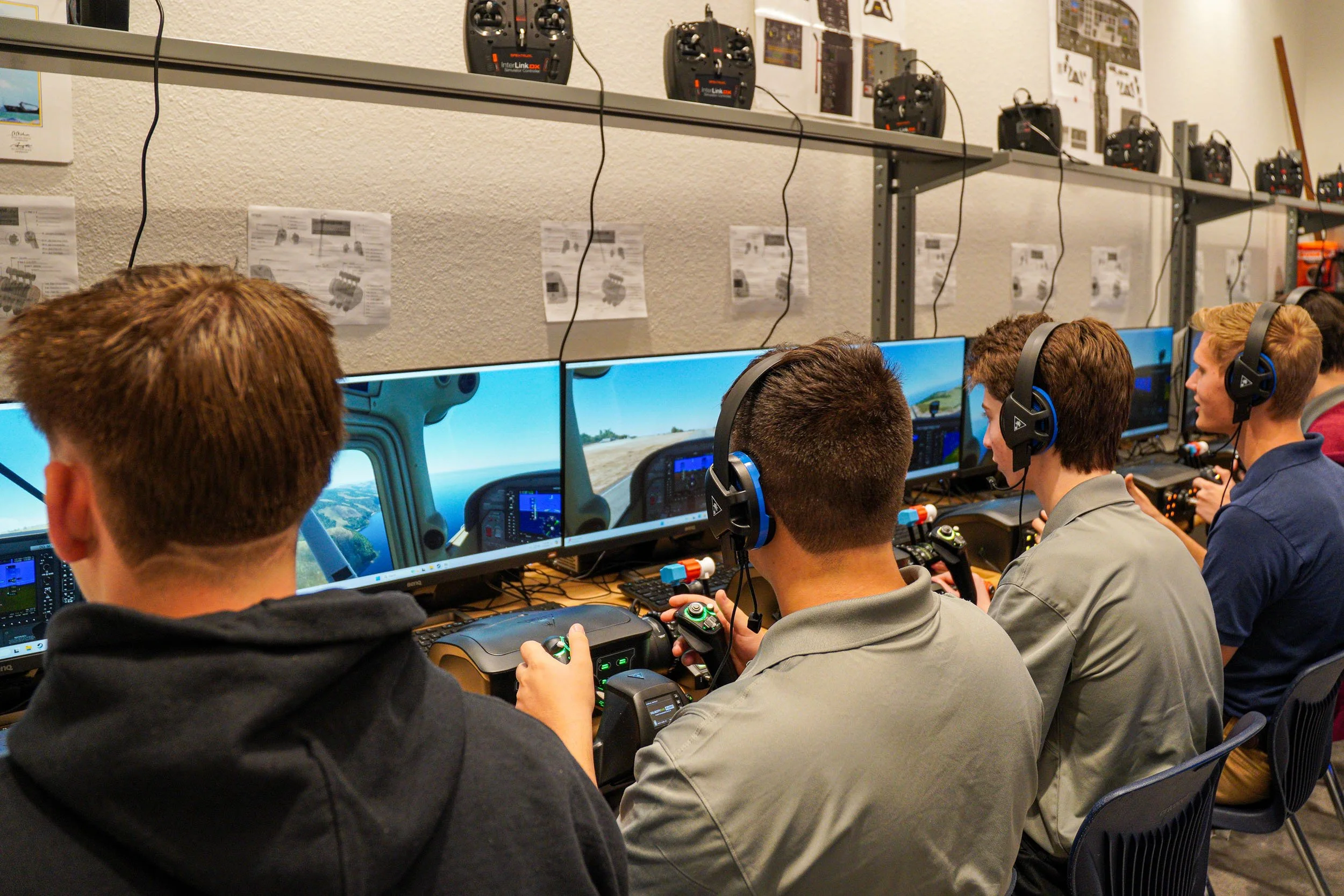
Flight Simulator Lab – Realistic flight training in a controlled environment
E6B Flight Computers – Essential tools for navigation and flight planning
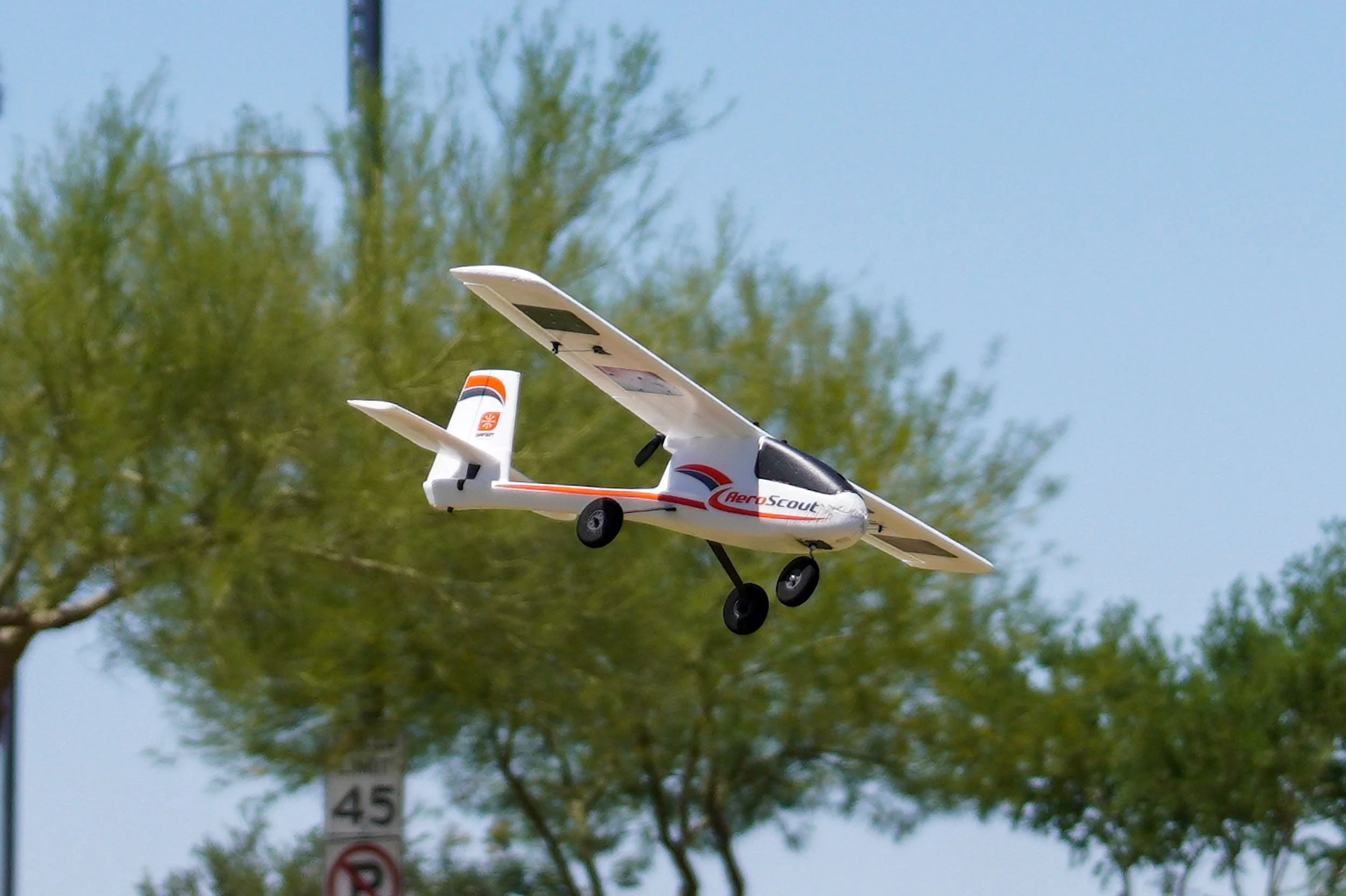
Multi-Rotor Drones – Experience with modern drone operation and systems
Soldering Equipment – Build and repair electronic components
Multipurpose Computers – Flight sims, RC simulators, BetaFlight, and iNav software
These resources allow students to gain real-world experience and technical proficiency in aviation and unmanned aircraft systems.
Frequently Asked Questions (FAQ)
-
It’s primarily ground-based instruction and lab learning focused on aviation knowledge and readiness. Students may qualify to take the FAA Private Pilot Knowledge Test, but a pilot certificate also requires flight training hours beyond a knowledge test.
-
This pathway still fits. It includes UAS/drone training and exposure to multiple aerospace career directions.
-
They can still complete the pathway and pursue many aerospace careers that do not require pilot medical clearance.
-
Yes. Students are expected to take the matching lab course alongside the classroom course.
Our Industry Partners
We collaborate with leading industry professionals to ensure our students gain real-world experience, leading to direct pathways into high-demand careers. We are proud to work alongside organizations that invest in the future of our students.