Welding
PROGRAM OVERVIEW
WELDING
PROGRAM LENGTH: 2 years
GRADES: 10-12
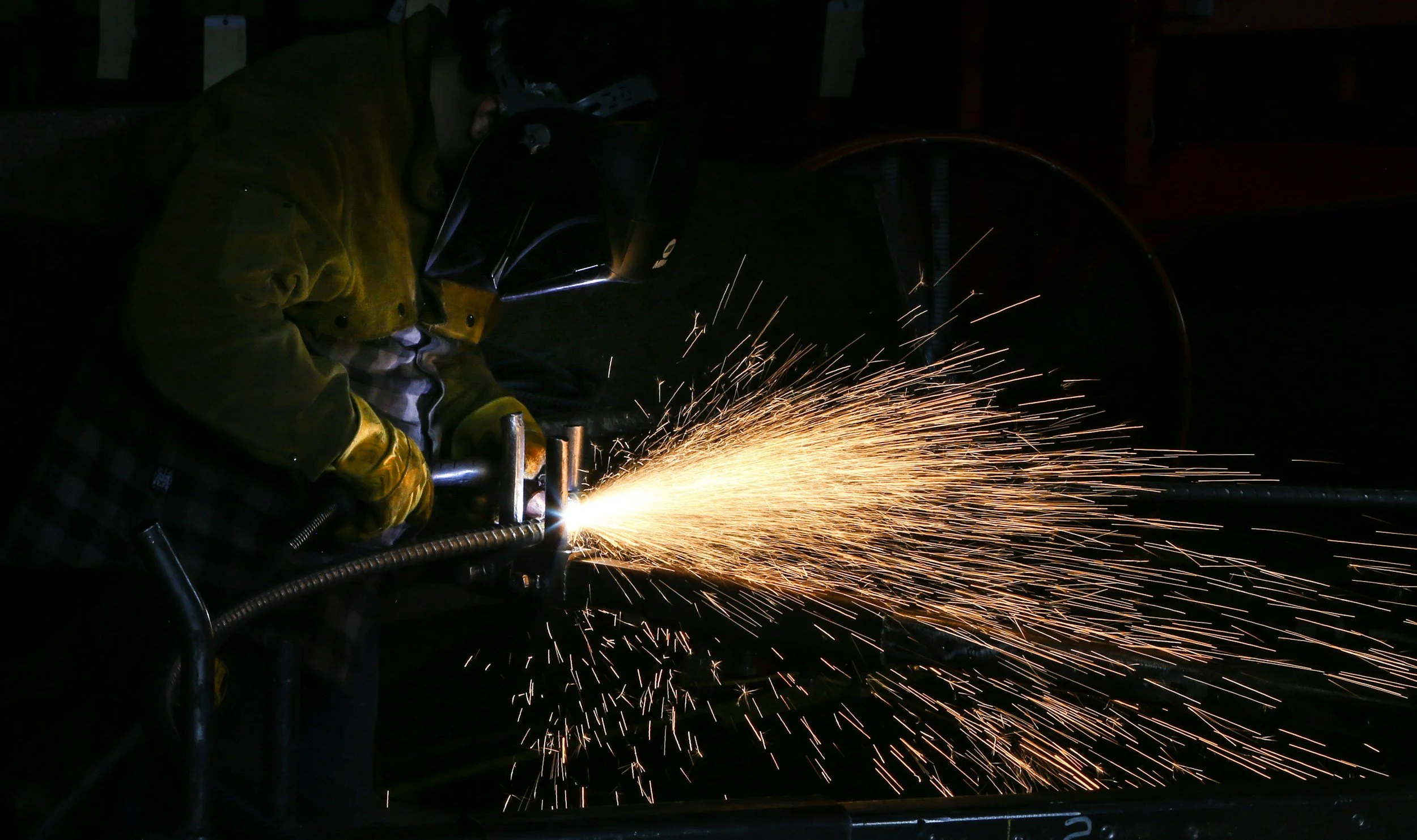
The Welding program at ALA Applied Technologies is built for students who want real, practical career skills while still in high school. Welding is a core trade behind construction, manufacturing, transportation, energy systems, and the repair work that keeps communities running. Our program gives students structured shop training, safety discipline, and technical confidence. We want our students to graduate with a diploma and a clear path into skilled work, advanced training, or related technical careers.
Students learn the fundamentals that employers look for first: how to work safely, read basic plans, measure and prepare materials, and produce clean, consistent welds using industry-standard processes. As skills progress, students expand into more advanced welding and cutting methods used in real fabrication and field settings. The program is designed to help students build a portfolio of shop experience and work towards industry-recognized certifications aligned with major welding processes and workplace expectations.
By the end of the program, students will learn skills in:
- Oxy-Fuel Welding (OFW) and Cutting (OFC)
- Sheilded Metal Arc Welding (SMAW)
- Gas Metal Arc Welding (GMAW)
- Flux Core Arc Welding (FCAW)
- Gas Tungsten Arc Welding (GTAW)
- Metal Inert Gas Welding (MIG)
- Tungsten Inert Gas Welding (TIG)
Course Pathway Map
This course prepares students for entry-level positions in the welding industry by introducing foundational welding skills and techniques. Students will learn stick welding, Oxy-Fuel Welding (OFW), Oxy-Fuel Cutting (OFC), and Shielded Metal Arc Welding (SMAW).
Students will gain experience operating modern industrial welding equipment and be introduced to advanced processes including Gas Metal Arc Welding (GMAW/MIG), Flux Core Arc Welding (FCAW), and Gas Tungsten Arc Welding (GTAW/TIG).
Safety practices, metallurgy, and welding fundamentals are emphasized throughout the course. This program is primarily lab-based, allowing students to apply skills through practical lab experience.
This advanced course builds upon the skills developed in Welding I and further prepares students for entry-level employment in the welding industry. Students expand their proficiency in stick welding, Oxy-Fuel Welding (OFW), Oxy-Fuel Cutting (OFC), and Shielded Metal Arc Welding (SMAW).
Additional focus is placed on advanced welding processes including Gas Metal Arc Welding (GMAW/MIG), Flux Core Arc Welding (FCAW), and Gas Tungsten Arc Welding (GTAW/TIG), with increased emphasis on precision, technique, and industry standards.
Safety, metallurgy, and welding fundamentals continue to be reinforced. The course remains highly lab-focused, providing extensive real-world experience with industry equipment and techniques.
For the most accurate and up-to-date information regarding course offerings, requirements, and descriptions, please refer to the official course catalog.
Certificates & Licenses
Building on NC3 certifications, students gain critical knowledge in welding safety and metallurgy. The program offers industry-recognized badges in various welding and metalworking processes, including SMAW (Stick), FCAW (Flux-Cored), GMAW (MIG), GTAW (TIG), and thermal cutting. These credentials validate practical skills and technical expertise, preparing students for careers in fabrication, manufacturing, and industrial welding.
| Certificate Name | Class / Year Obtained | Type | Purpose / Eligibility | Information Covered |
|---|---|---|---|---|
| NC3 SMAW (Stick) | Year 1 and 2 | Welding Badge | Validates skill in Shielded Metal Arc Welding for entry-level and advanced welders | Stick welding techniques, electrode selection, joint preparation, bead control, safety |
| NC3 FCAW (Flux-Cored) | Year 1 and 2 | Welding Badge | Certifies proficiency in Flux-Cored Arc Welding for structural and fabrication work | Flux-cored welding methods, electrode and wire selection, position welding, quality control |
| NC3 GMAW (MIG) | Year 1 and 2 | Welding Badge | Confirms competence in Gas Metal Arc Welding (MIG) for general fabrication and repair | MIG welding setup, wire feeding, shielding gas selection, weld bead techniques, safety |
| NC3 GTAW (TIG) | Year 1 and 2 | Welding Badge | Recognizes skill in Gas Tungsten Arc Welding (TIG) for precision and high-quality welds | TIG welding process, tungsten selection, filler rod usage, joint prep, weld quality inspection |
| NC3 Thermal Cutting | Year 1 and 2 | Welding Badge | Validates competency in cutting metals using oxy-fuel, plasma, and air carbon arc methods | Oxy-fuel cutting, plasma cutting, air carbon arc gouging, safety, equipment setup |
| NC3 Welding Safety & Metallurgy | Year 1 and 2 | Welding Badge | Certifies knowledge of welding safety and material properties for safe, effective welding | Welding hazards, PPE, fire prevention, metallurgy fundamentals, heat treatment, material selection |
| OSHA 10-Hour Certification | Year 2 | Test | Potentially required by employer | Promote workplace safety and health and to make workers more knowledgeable about workplace hazards and their rights. |
Career, Salary, and Growth Opportunities
Entry
Median
Experienced
AVERAGE ANNUAL SALARY
2019
2021
2024
MEDIAN SALARY GROWTH
2024
2034
PROJECTED JOB OUTLOOK
Welding is a high-demand trade used in construction, fabrication, repair, and manufacturing. Students who build strong skills in MIG, TIG, and stick welding—along with safety awareness and blueprint reading—can qualify for entry-level roles and continue advancing through certifications and experience. The U.S. median wage is about $51,000 per year (higher in Arizona at $53,770), and nearly 45,600 job openings are projected nationally each year through 2034.
For students who enjoy working with their hands and building real-world projects, welding offers a dependable pathway to stable, well-paying careers.
*Statistics sourced from U.S. Bureau of Labor Statistics (BLS) and Arizona workforce projections.
Our Facilities
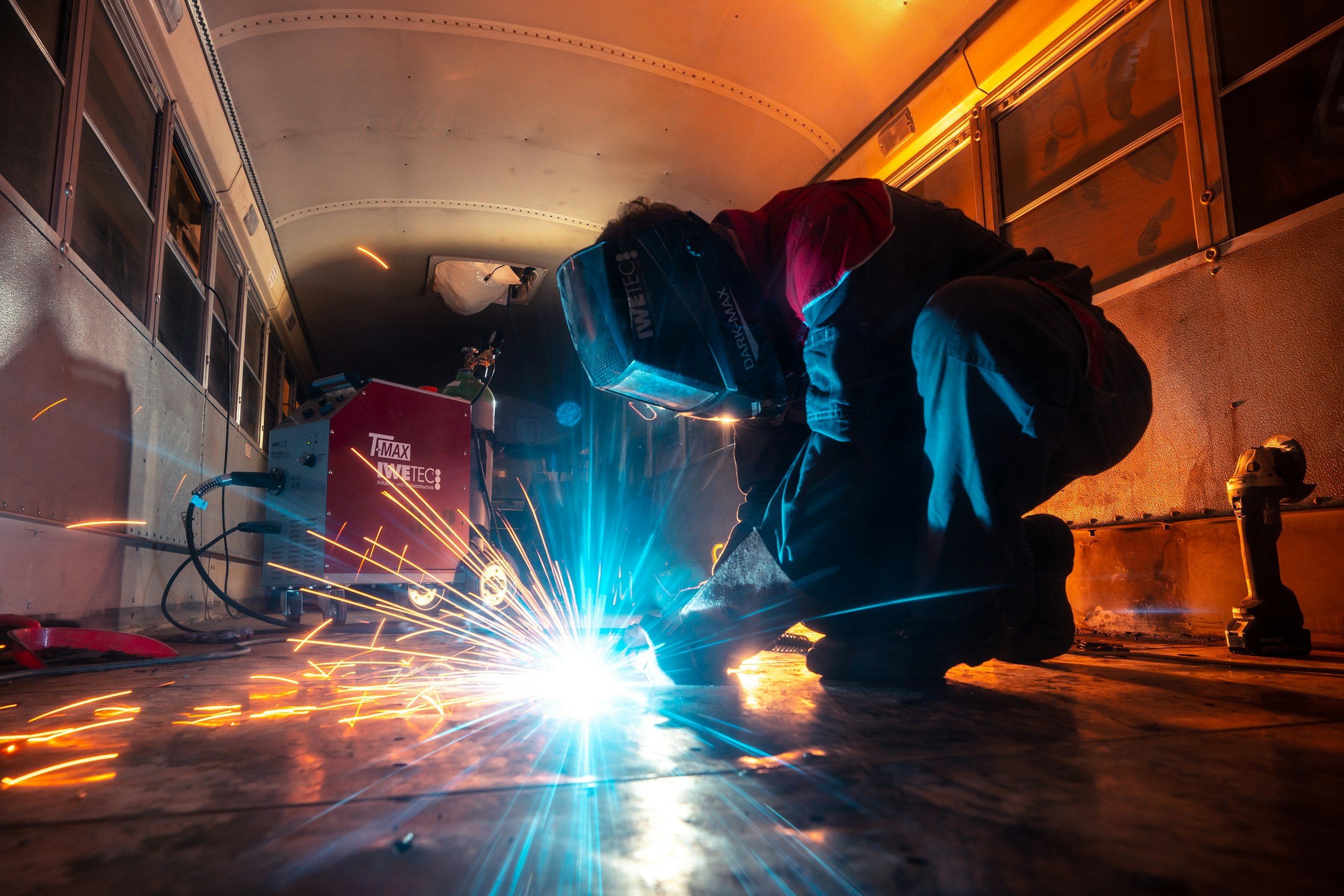
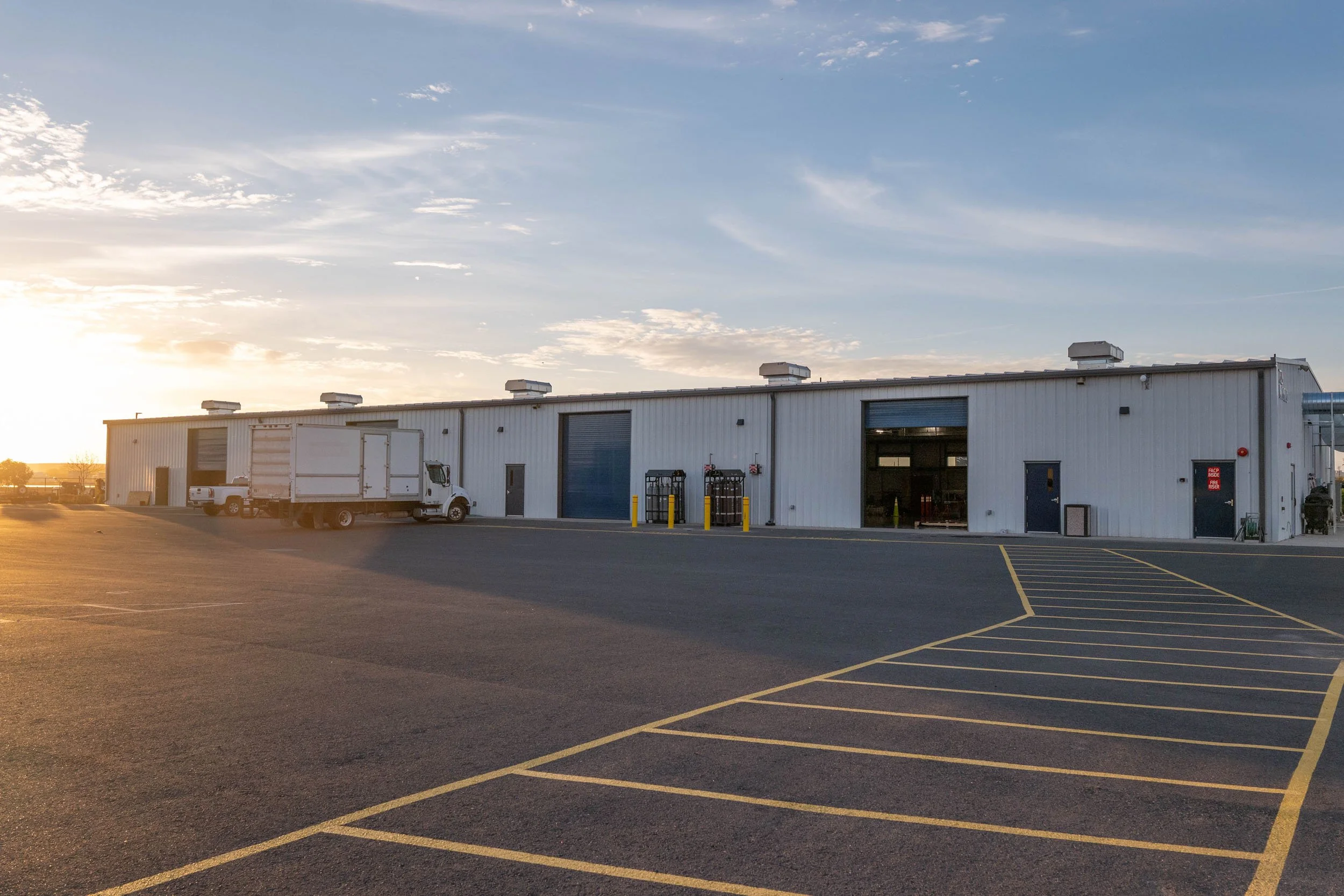
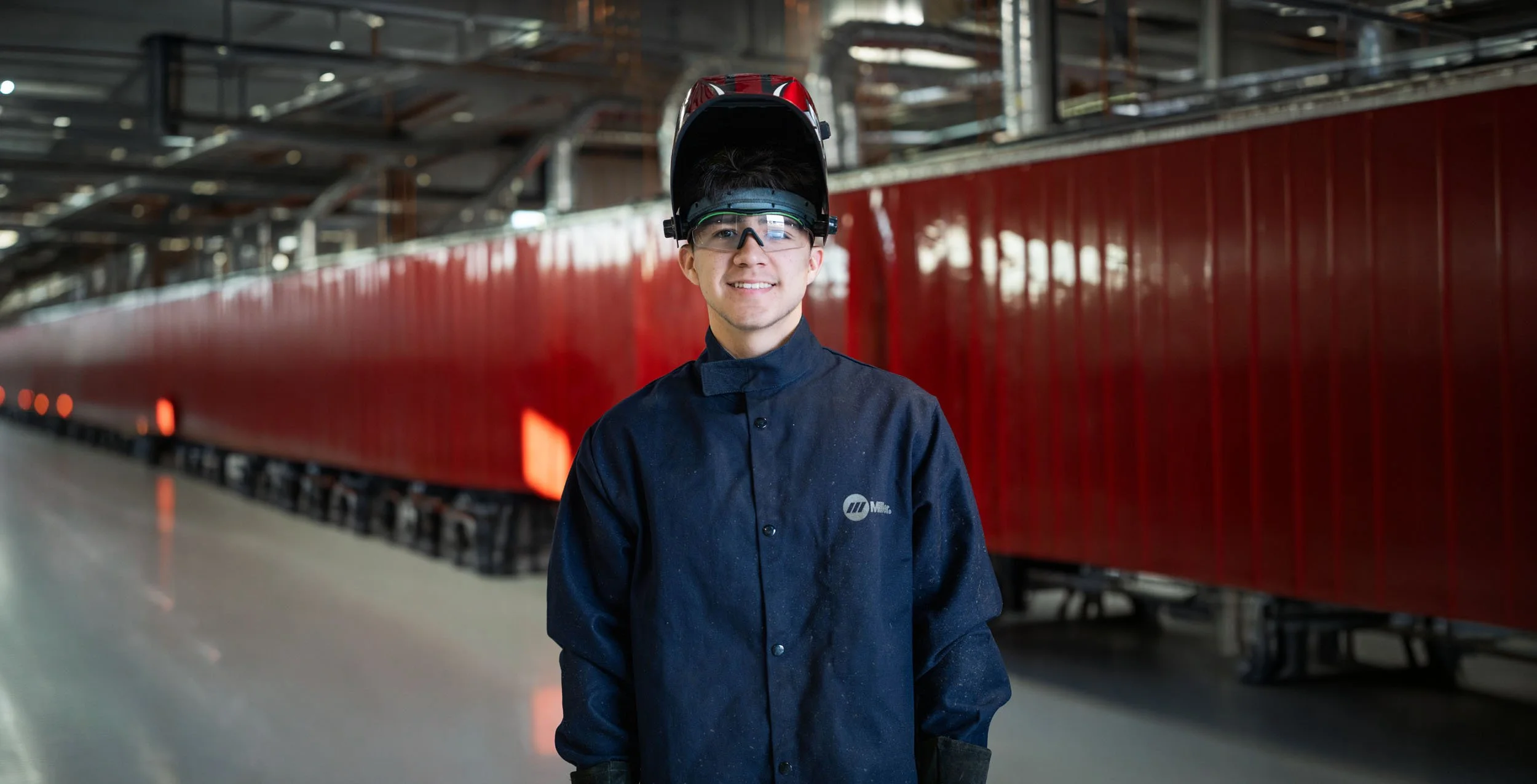
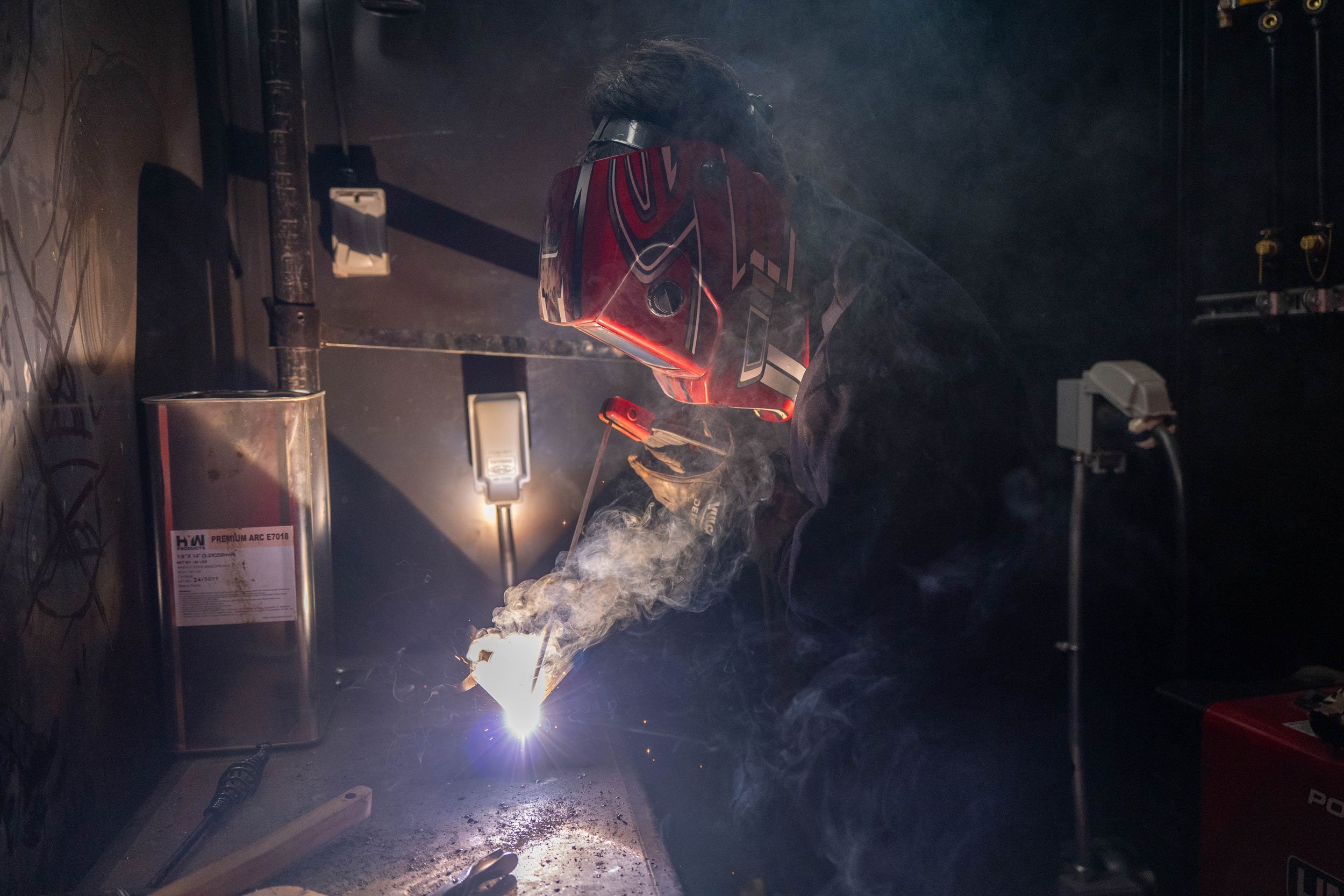
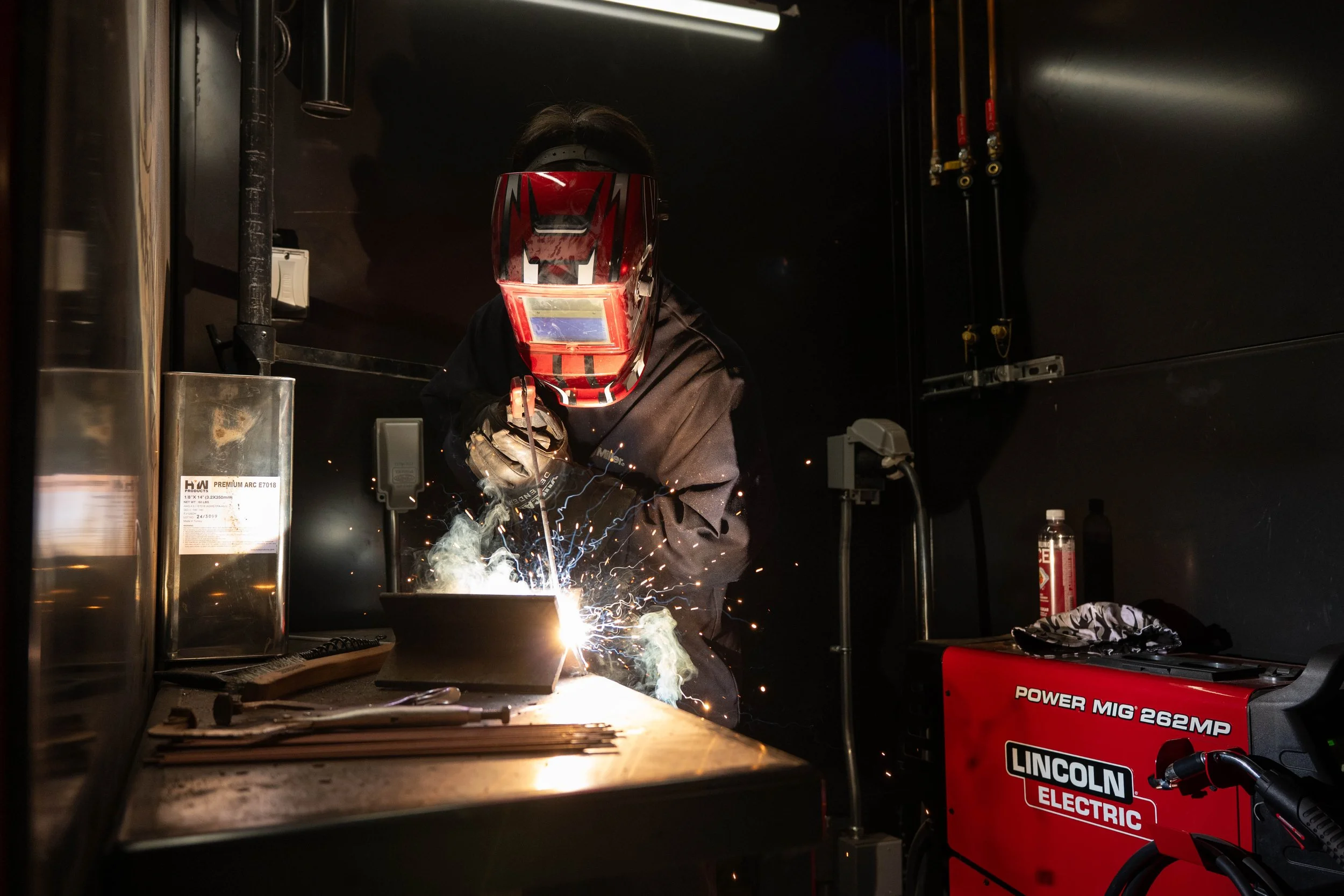
Students train in a dedicated welding facility designed to replicate professional fabrication and industrial environments. The shop provides extensive practical experience using industry-standard equipment while emphasizing safety and proper welding techniques.
Our facilities feature:
6,000-square-foot welding shop with a separate 30' x 30' classroom
23 individual welding bays
Lincoln Electric welders used throughout the shop
Scotchman ironworker press and commercial metal bandsaw
Advanced fume extraction system in each welding booth for safety
This facility allows students to develop real-world welding and fabrication skills using the same tools and safety systems found in professional shops.
Frequently Asked Questions (FAQ)
-
Students follow an NC3 curriculum powered by Lincoln Electric and can work toward industry-recognized certifications/badges aligned to major welding processes and safety.
-
Students learn major welding processes such as SMAW (stick), GMAW/MIG, FCAW (flux-core), and GTAW/TIG, along with oxy-fuel welding/cutting and core safety/metallurgy.
-
No. Many welding programs are designed for beginners and start with basic theory and practice. Community college welding FAQs commonly start students in introductory theory and basic practice courses.
-
Yes. The Bureau of Labor Statistics projects about 45,600 openings per year for welders, cutters, solderers, and brazers over 2024–2034. Many of those openings come from replacement needs, and BLS also notes continued demand tied to rebuilding infrastructure and manufacturing.
-
According to the Bureau of Labor Statistics, the median annual wage for welders, cutters, solderers, and brazers was $51,000 in May 2024. The lowest 10% earned under $38,130, and the highest 10% earned over $75,850. Pay varies by experience, skill level, industry, and company
Our Industry Partners
We collaborate with leading industry professionals to ensure our students gain real-world experience, leading to direct pathways into high-demand careers. We are proud to work alongside organizations that invest in the future of our students.