

EMT
PROGRAM OVERVIEW
EMT
PROGRAM LENGTH: 3 years
GRADES: 10-12
The EMT pathway is for students who want to train for fast-paced emergency response work. Students learn how to assess patients, manage emergencies, and provide lifesaving care in pre-hospital settings. The pathway builds from healthcare fundamentals into certification-focused training and clinical practice.
By the end of the program, students will learn skills in:
- Emergency medical procedures and trauma care
- Patient assessment and airway management
- CPR, basic life support (BLS), and AED use
- Pharmacology basics for emergency care
- Managing shock and responding to respiratory/cardiac emergencies
- Rapid decision-making, teamwork, and communication under pressure
- Clinical practice and simulated emergency scenarios
- Assessing, stabilizing, and transporting patients
Course Pathway Map
This one semester introductory course is designed for 9th and 10th grade students who are interested in exploring careers in healthcare, with a focus on pathways such as Nursing Assisting, Emergency Medical Technician (EMT), Medical Assisting, and Veterinary Assisting. The course provides an overview of the diverse opportunities available in the healthcare and veterinary fields, helping students make informed decisions about their future career pathways. Throughout the course, students will explore the roles and responsibilities of various healthcare professionals, learn basic medical terminology, and gain an understanding of human and animal anatomy and physiology. Topics such as infection control, patient safety, ethical behavior in healthcare, and the importance of teamwork will be introduced. Real-world activities, guest speakers, and field trips will provide students with practical insights into real-world healthcare environments. By the end of the course, students will have a strong foundation in the essential skills and knowledge required to pursue specialized training in one of the health career pathways offered in the Health Services and First Responder Academies. This class is ideal for students who are curious about healthcare professions and eager to begin planning for their future in the medical field. Students will receive 0.5 Elective credit upon completion of this single-semester course (0.5 credit each semester).
Recommended course- Health Career Exploration
This year-long course serves as the first part of a comprehensive two-year program designed to introduce high school students to foundational knowledge in the healthcare field of Emergency Medical Technology. Throughout the course, students will explore the roles and responsibilities of various health professionals, learn foundational skills in their field, and gain valuable experience toward the second year of their program. Students will gain an understanding of the healthcare system, medical terminology, basic anatomy and physiology, patient care principles, infection control, and safety protocols. The curriculum emphasizes essential skills such as communication, teamwork, problem-solving, and ethical behavior in healthcare settings. Real-world activities, case studies, and guest speakers from different health professions will enhance students' learning experience and prepare them for more specialized training in the second year of the Emergency Medical Technician program.
In the second year of the Health Services Academy, students who choose the Emergency Medical Technician (EMT) pathway will build on the foundational knowledge gained in Health Career Foundations to develop specialized skills required for entry-level positions in the healthcare field. This course is designed to prepare students for certification and entry-level roles as EMTs, providing them with the essential skills needed to respond to medical emergencies and provide lifesaving care in pre-hospital settings. Students will receive training in emergency medical procedures, trauma care, patient assessment, airway management, CPR, basic life support (BLS), and the use of automated external defibrillators (AEDs). The curriculum also covers critical topics such as pharmacology for emergency care, managing shock, and handling patients in respiratory and cardiac emergencies. Emphasis is placed on teamwork, communication, and the ability to make rapid decisions in high-pressure situations. Through both classroom instruction and hands-on clinical practice, students will develop proficiency in assessing, stabilizing, and transporting patients to medical facilities. The course includes simulated emergency scenarios to help students gain confidence in managing real-world medical emergencies. Upon completion, students will be eligible to take the National Registry of Emergency Medical Technicians (NREMT) certification exam, enabling them to pursue careers in emergency medical services (EMS), fire departments, or as first responders. This program is ideal for students interested in pursuing a dynamic and rewarding career in emergency medical care. Students will receive 2.0 CTE or Elective credit upon completion of this two-semester course (1 credit each semester).
In this course, students will design a project using the fundamentals of project management, conduct research on their topic of interest, then produce a final written report, portfolio, or a presentation that summarizes and demonstrates student learning. The capstone project will relate to academic accomplishments and demonstrate mastery of the subject. Students will receive 1.0 CTE or Elective credit upon completion of this two-semester course (0.5 credit each semester).
For the most accurate and up-to-date information regarding course offerings, requirements, and descriptions, please refer to the official course catalog.
Certificates & Licenses
Throughout the program, students build foundational emergency medical skills while preparing for industry-recognized certification. Training focuses on patient assessment, emergency response, and pre-hospital care procedures used by first responders.
Upon completion, students may be eligible to take the National Registry of Emergency Medical Technicians (NREMT) certification exam, preparing them for entry-level roles in emergency medical services, fire departments, and other first responder careers.
| Certificate Name | Class / Year Obtained | Type | Purpose / Eligibility | Information Covered |
|---|---|---|---|---|
| National Registry of Emergency Medical Technicians (NREMT) | Emergency Medical Technician II | Certification Exam Eligibility | Qualifies students to pursue EMT roles in emergency medical services, fire departments, and first responder positions | Emergency patient assessment, trauma care, medical emergencies, CPR, airway management, and pre-hospital care procedures |
Career, Salary, and Growth Opportunities
Entry
Median
Experienced
NATIONAL ANNUAL SALARY
2020
2022
2024
AZ MEDIAN SALARY GROWTH
2024
2034
PROJECTED JOB OUTLOOK
Emergency medical services careers focus on responding to urgent medical situations and providing life-saving care in the field. Students who build skills in patient assessment, emergency response, and prehospital care, along with certifications like EMT, AEMT, Paramedic, CPR/BLS, and NREMT, can qualify for entry-level roles and continue advancing through experience and specialized training.
Roles such as EMT, Advanced EMT, and Paramedic offer strong earning potential, with salaries ranging from $35,000 to $85,000 and opportunities to grow with experience and advanced certifications. The field has steady demand, with about 19,000 openings projected nationally each year through 2034. For students who thrive in fast-paced environments and want to make a direct impact on patient survival, careers in emergency medical services provide a dependable pathway to meaningful, in-demand work.
*Statistics sourced from U.S. Bureau of Labor Statistics (BLS) and Arizona workforce projections.
Our Facilities
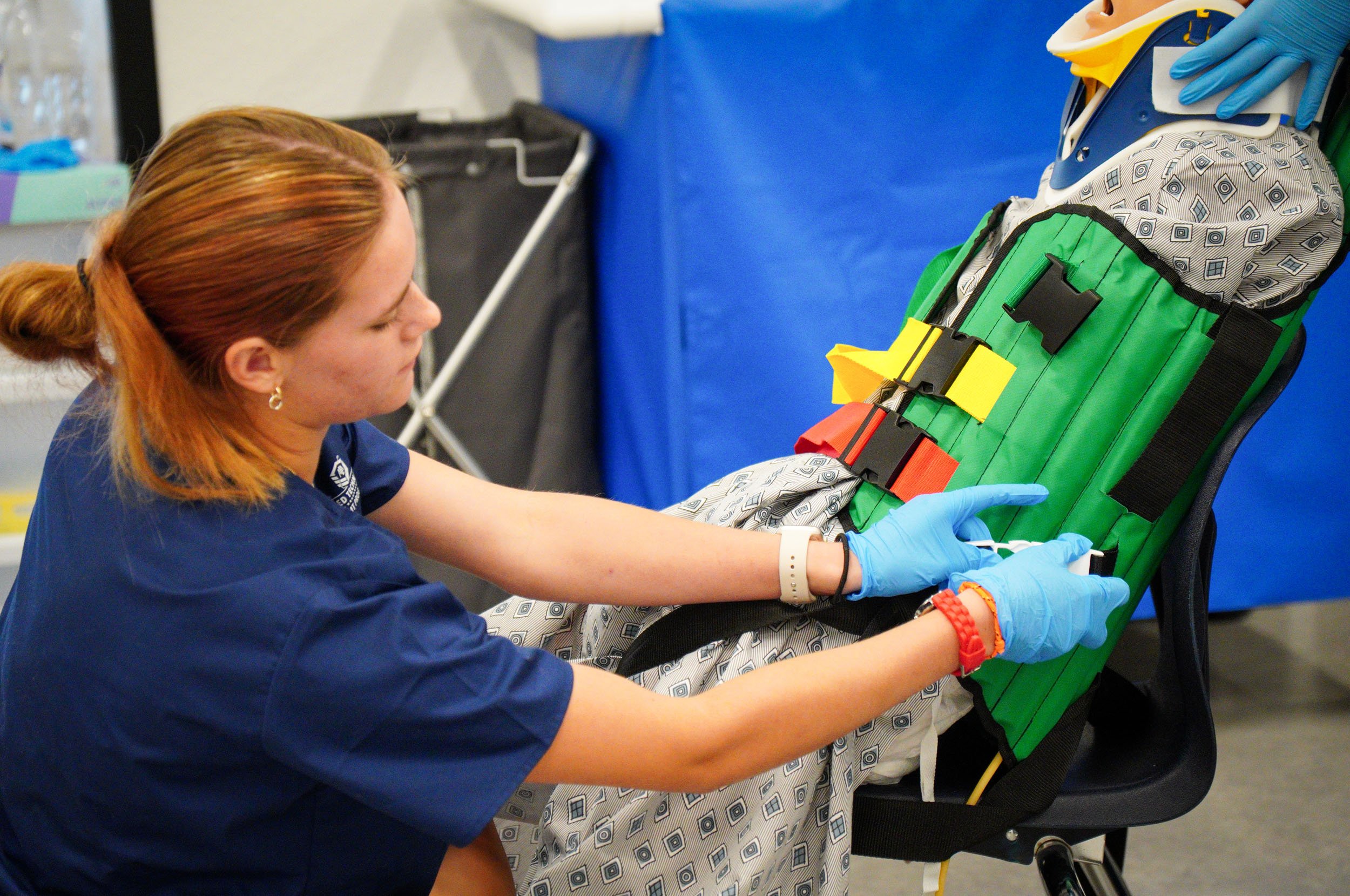
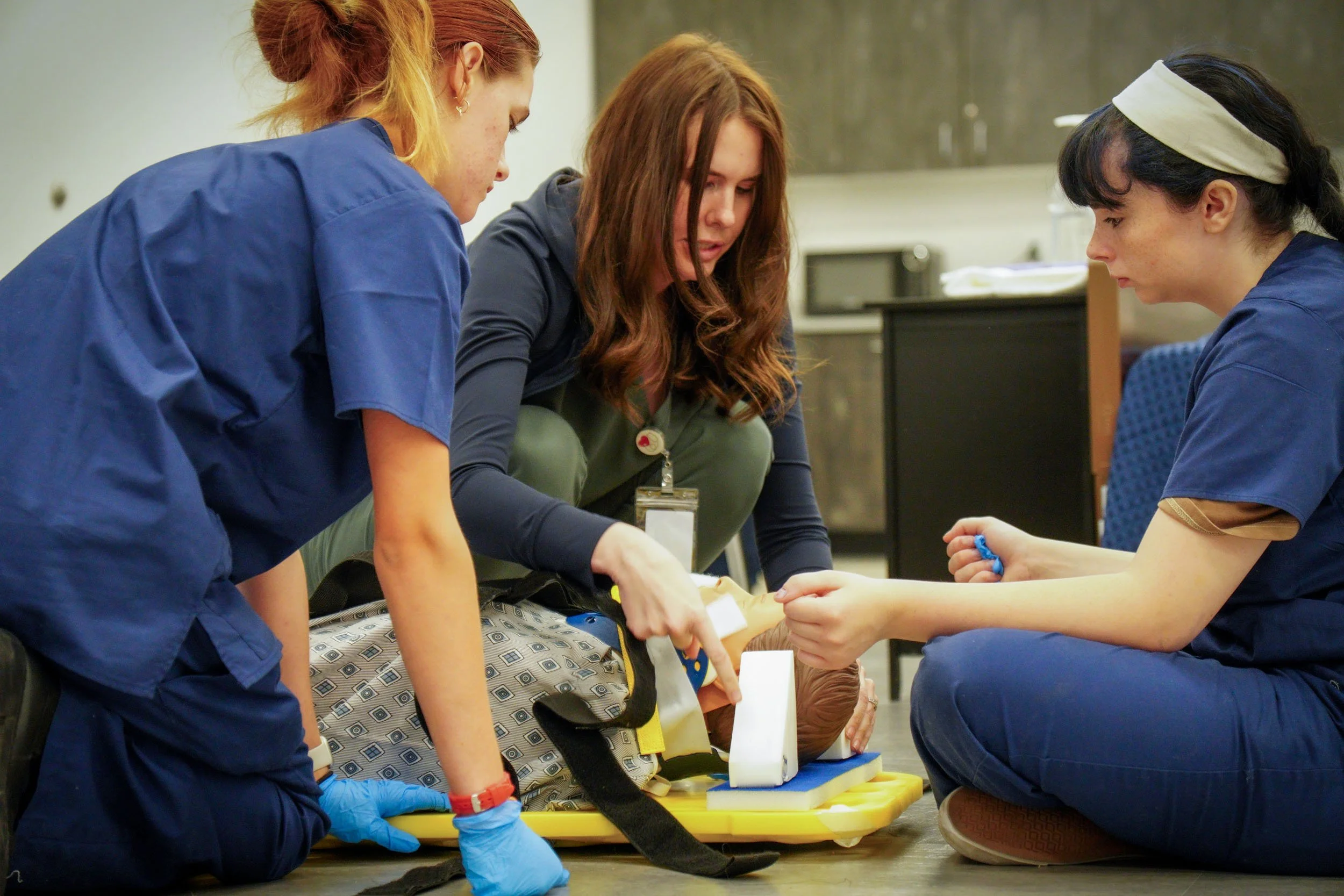
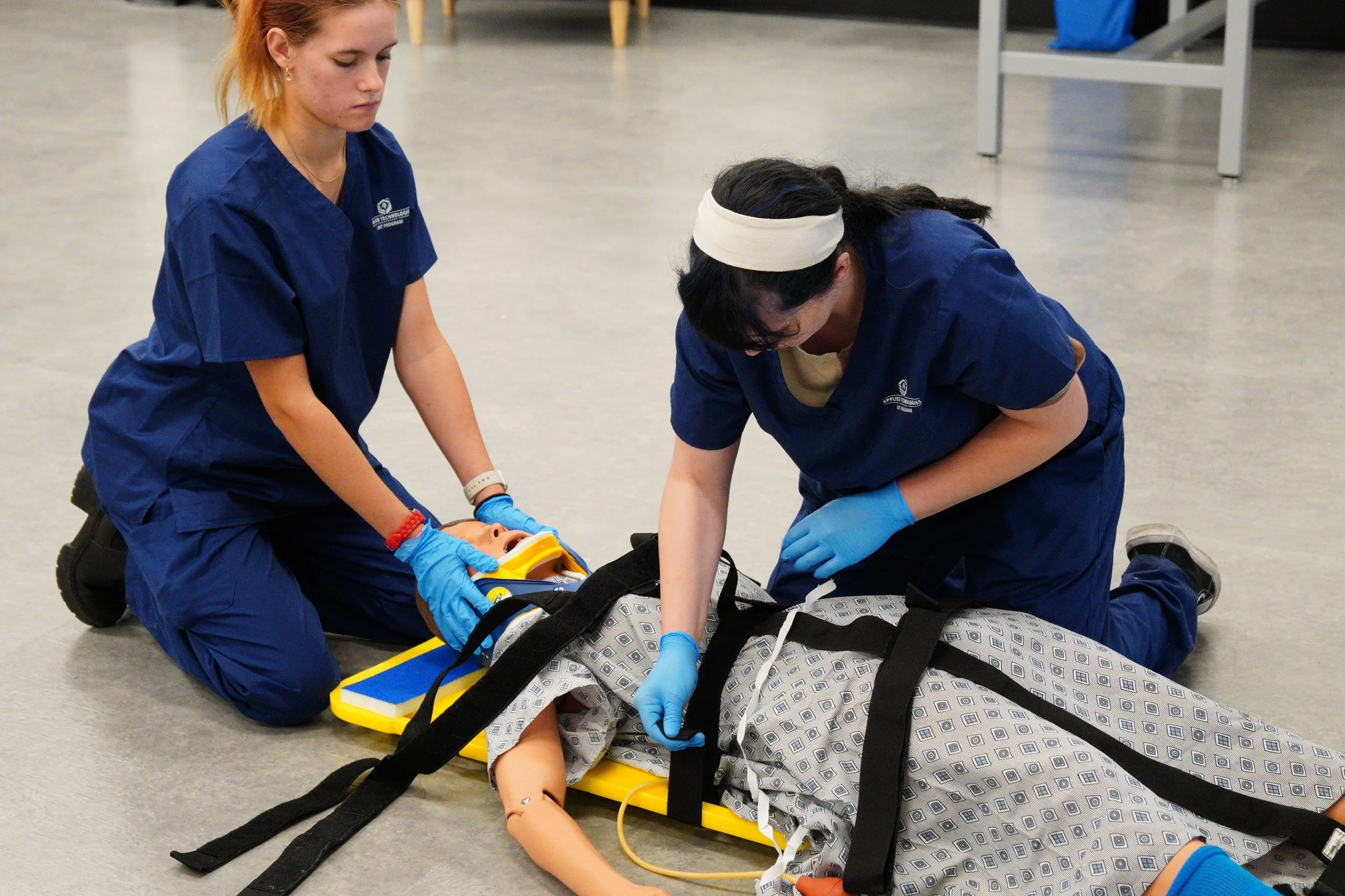
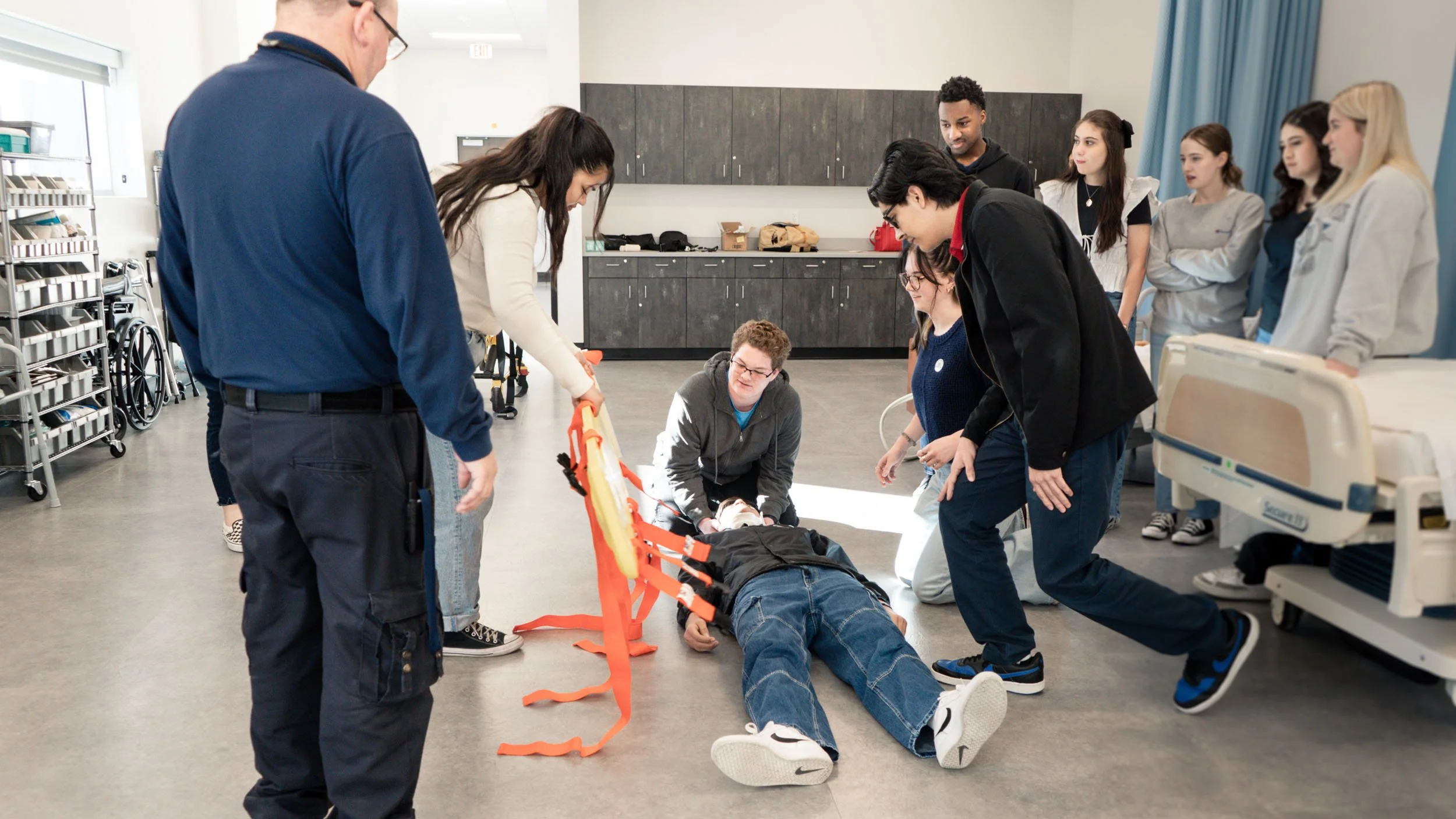
Frequently Asked Questions(FAQ)
-
Yes. EMT II requires Anatomy and Physiology with a grade of C or better, plus EMT I (or coordinator approval)
-
Yes. EMT II Include practical clinical practice and simulated emergency scenarios.
-
Possibly. Depending on placement, students may need items like a background check, fingerprint clearance, immunizations, TB testing, or other partner requirements. Students are responsible for any associated costs.
-
Students need maturity, calm decision-making, and the ability to follow procedures. Training focuses on safe, professional response and patient care fundamentals.
-
It is one of the more fast-paced and structured pathways due to the nature of emergency response work.
-
Yes. Scenario-based training focuses heavily on decision-making under pressure.
-
Yes. EMT work is team-based, and training reflects that environment.
-
Yes. Many fire service careers include EMS training, making this a strong starting point.
Our Industry Partners
We collaborate with leading industry professionals to ensure our students gain real-world experience, leading to direct pathways into high-demand careers. We are proud to work alongside organizations that invest in the future of our students.
